A Camp to Remember/Un Campamento Inolvidable
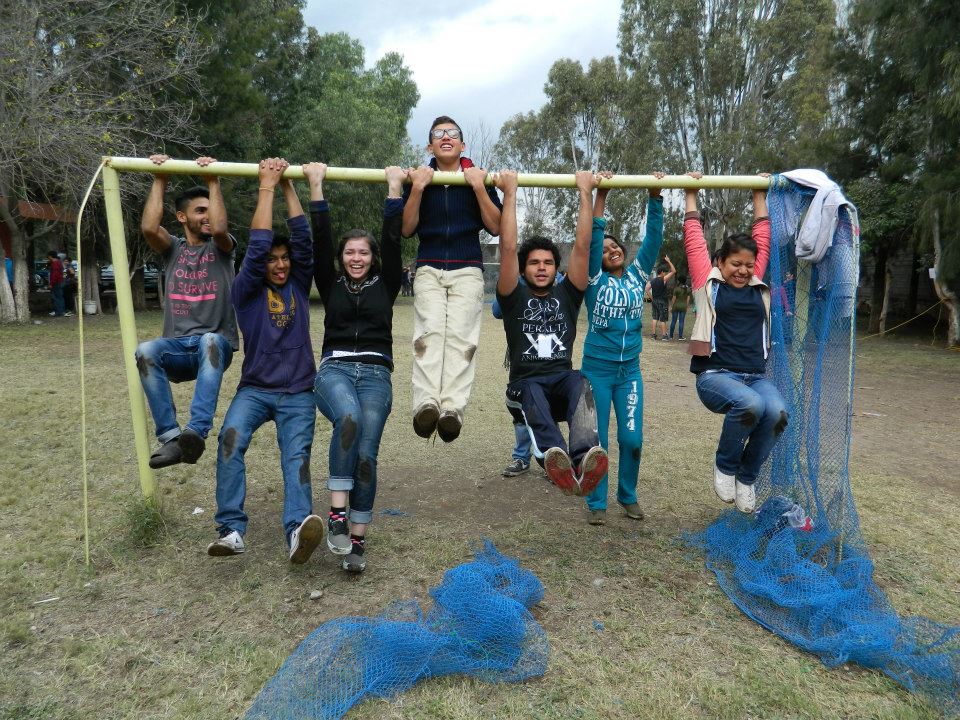
120 Youth from 3 States of Mexico Met the Challenges of the Disciples Camp Experience!
By 11 am on Christmas morning the first of 120 youth had arrived to clean the seminary grounds in preparation for the 2013 Campamento Huentepec. Ten or so youth had traveled three hours that morning from Zacatecas to fulfill their assignment. As most family Christmas celebrations in Mexico take place on Christmas Eve, the group seemed pleased to be here early on Christmas day and be among the first to choose their bed in the dormitory.
The annual Campamento Huentepec has become a tradition for Disciples youth in Mexico; held in different churches each year from December 26 to 30, the fields and many rooms on the seminary grounds were an ideal setting for last year’s event. Although the house where Kate and I live stands within thirty feet of the dormitories, we were able to sleep in Christmas morning; we then enjoyed the opportunity to mingle with and get to know better some of the campers.
The name Huentepec is from one of the native languages of Mexico and means “Light of the Hill”. Eighty years ago, disciples chose the name for a farm they purchased to hold trainings and camps throughout the year. Virtually every Disciple pastor in Mexico, past and present, has a story to tell about growing in their faith thanks to a Huentepec camp experience. While the farm was sold years ago, the name was retained for the Campamento in December that continues to shape future leaders of the Church.
Mil gracias to Hemer Sierra Silva (member of Central Christian Church in San Luis Potosi) for the translation below into Spanish. Hemer has

The 2013 Camp sign noting the theme “Kingdom Values”
******************
Muchas gracias a Hemer Sierra Silva (miembro de muchos anos de la Iglesia Central de San Luis Potosi) por su traduccion en espanol del articulo sobre el Campamento Huentepec de diciembre 2013. En el proximo articulo de “Erasing Borders” Hemer quiere compartir de su propia experiencia transformativa durante un Campamento hace muchos anos.
“Cerca de las once de la mañana del día de Navidad habían llegado al seminario (Centro de Estudios Teológicos – C.E.T.) los primeros de los 120 jóvenes para preparar el sitio por el Campamento Huentepec 2013.
Alrededor de 10 jóvenes, viajaron durante tres horas desde Zacatecas, para llevar a cabo labores de limpieza. Puesto que la mayoría de las familias en México celebran la Noche Buena en casa, nos agradó mucho que el grupo de jóvenes llegaran temprano el día de Navidad y así tener la oportunidad de escoger su cama en el dormitorio.
Dentro de los jóvenes Discípulos de México este evento anual del Campamento Huentepec ha llegado a ser una tradición. Tiene lugar cada año del 26 al 30 de diciembre en alguna iglesia u otro sitio de la Iglesia Discípulos; el año pasado del 2013 el seminario parecía tener un sitio adecuado por el terreno amplio, canchas y muchos lugares para convivir.
A pesar del hecho de que la casa en donde vivimos Katalina y yo se encuentra como a diez metros de los dormitorios del Seminario, pudimos dormir y descansar a gusto durante la mañana de navidad. Es cierto que aprovechamos la ocasión para convivir y conocer algunos jóvenes y también ahondar la relación con otros.
El nombre de “Huentepec” se deriva de un vocablo indígena que significa “Luz del Monte”. Hace ochenta anos se organizó el primer campamento Huentepec para promover el crecimiento de la fe en los jóvenes Discípulos. Casi cada pastor, ya fallecido o en vida, de los Discípulos, puede contar de alguna enseñanza o experiencia de importancia primordial para su fe en Cristo que tuvo lugar durante alguno de los Campamentos. Aunque no existe un sitio construido exprofeso para el Campamento, como en tiempos pasados, el Campamento Huentepec sigue formando líderes del futuro de las Iglesias Discípulos en México”.
-
- Setting up tent Christmas morning. Rain began that night and continued. No camp fires this year.
-
- Moving shelves from the Library for more space
-

- The tent is almost ready for campers to arrive 12/26 morning
-

- Clean cushions for the domitory bunkbeds
-

- Morning reveille at 8 even on the last day of Camp
-
- Praise Band/Banda de Alabanza preparing for the morning devotion time
-

- Former camper Rev. Lisania Martinez shares her story and just completed seminary training experience
-
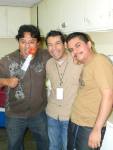
- Rev. David Martinez Flores (l.) and other members of the Youth Organizing Team in the camp kitchen
-

- Morning prayer in the Library
-

- Participants were assigned to one of Ten Groups
-

- Groups were scored on how they worked together
-
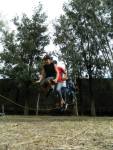
- Good work by this group!
-
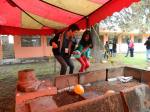
- Another challenging activity for the Groups
-
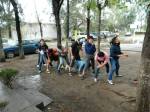
- There’s a balloon there somewhere??
-

- Saturday night after worship was for group skits
-

- This dance team was a big hit
-

- Performing a zippy dialog
-
- Kate Moyer preached for Saturday night worship
-

- Sunday night was the gala dinner where all the groups were celebrated
-

- A bus tour of downtown San Luis Potosi preceded the Gala Dinner
-

- A high scoring Group is honored at the Dinner
-

- Ruth of the Guadalupe, Zacatecas Disciples and Jonathan from Maravillas near San Luis Potosi are a popular couple at Disciples youth gatherings
-
- Mazatlan adult advisor Juan Millan is in stocking cap across from his wife and daughter. Twenty youth from the Congregational Church of Mazatlan traveled 14 hours by bus to the camp.
It Takes More Than Money/Se Requiere Mas Que el Dinero
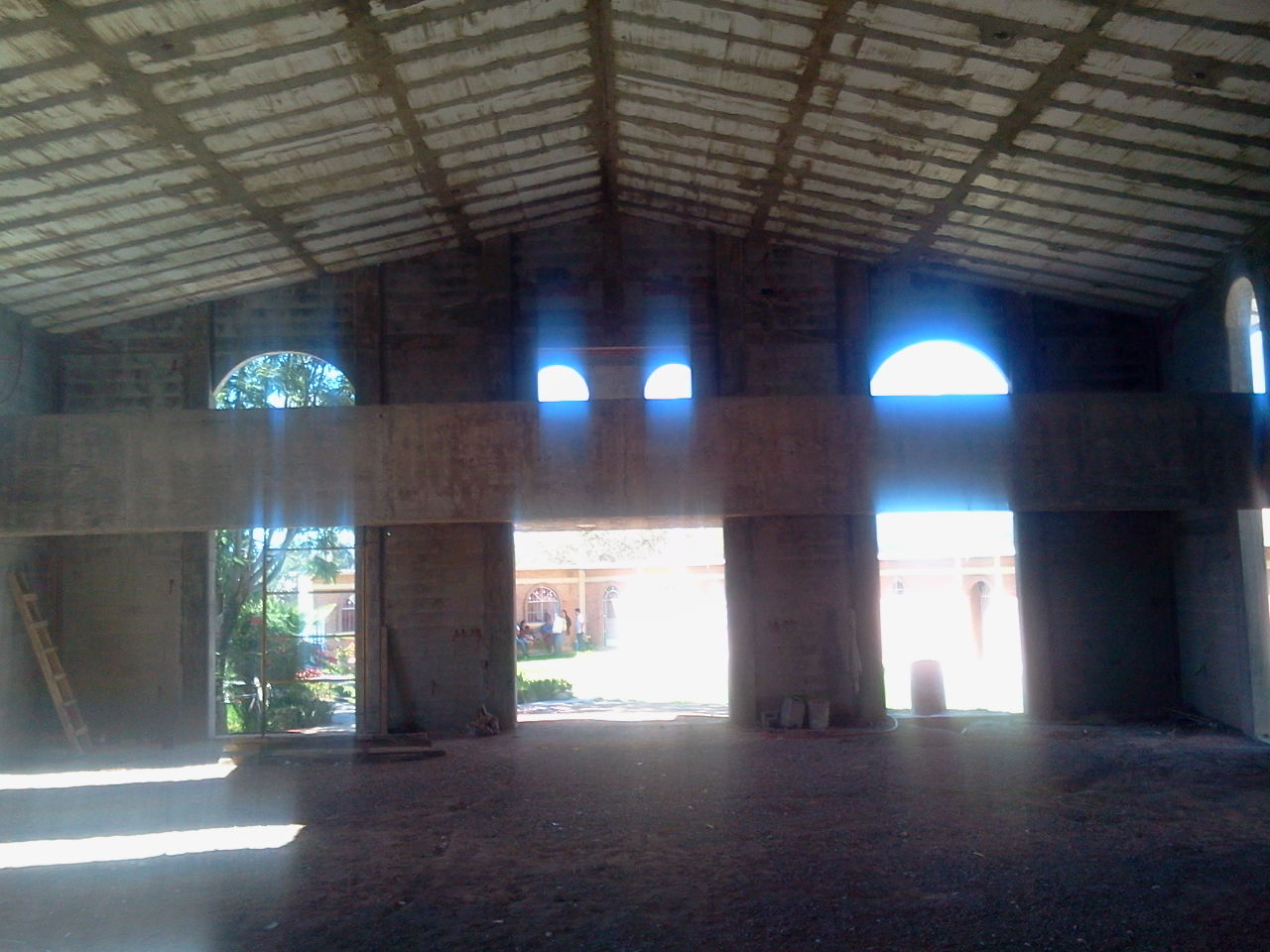
The new sanctuary building is larger than the old and will have a balcony seating over 100 persons
December 29 of last year, the Disciples of Christ Church in Maravillas, Mexico saw its new roof on the sanctuary collapse. In the following interview, Maravillas member Ramiro Ortiz Pardo describes the remarkable progress made in rebuilding the sanctuary in the past year. As President of the Building Committee, Ramiro testifies about the congregation’s growth in faith as they marvel at what God and they working together have been able to accomplish.
The English translation by Doug Smith precedes the original interview conducted in Spanish. For more of the Maravillas story enter Maravillas in the search engine window of “Erasing Borders” to locate the blog articles published on Feb. 13 and May 5 this year.
************** ********** **************
El 29 de diciembre del ano pasado el nuevo techo de la Iglesia Discipulos
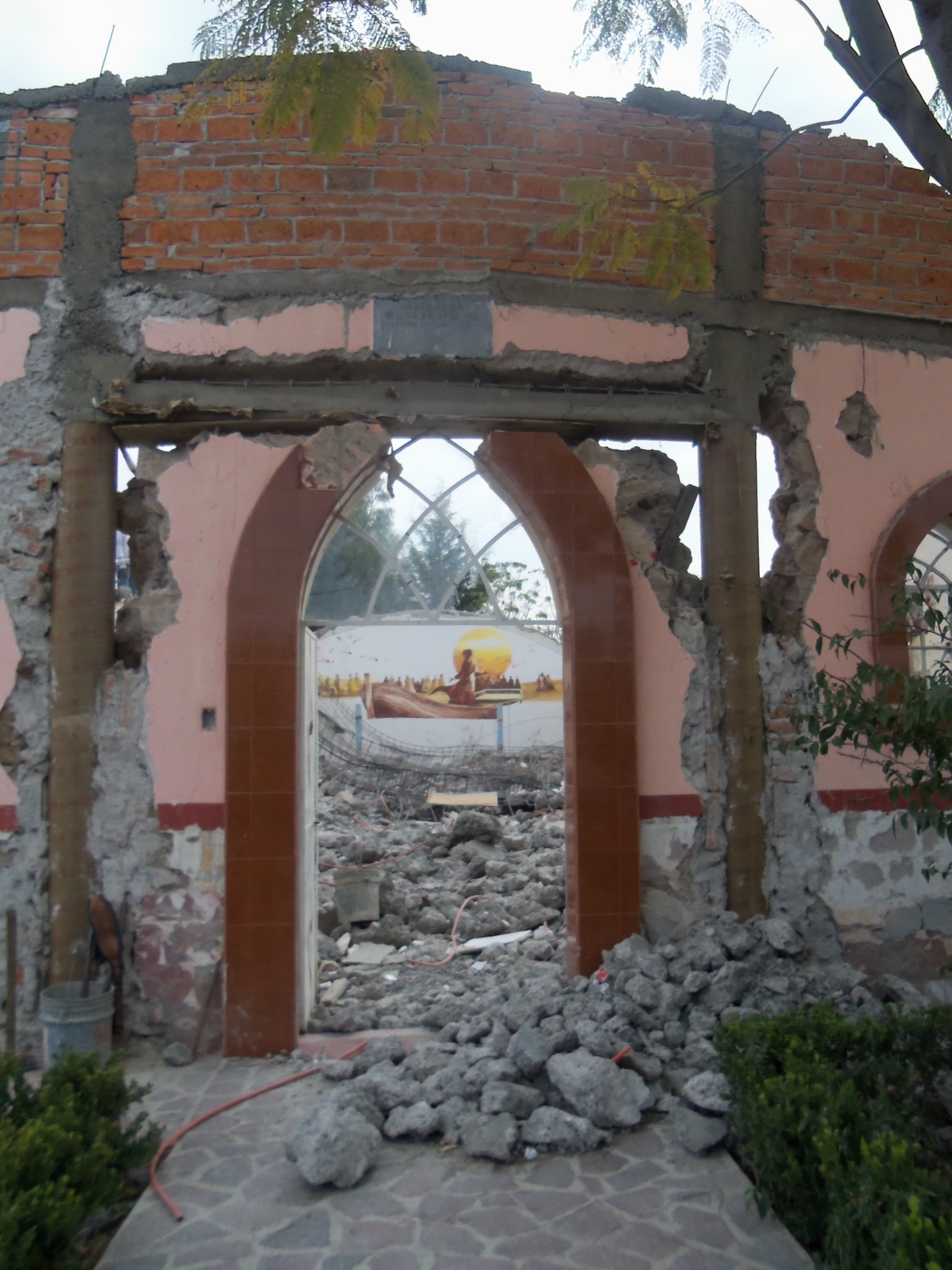
After a month of grieving the loss of their sanctuary, the congregation began making plans to rebuild
conta la historia del progreso impresionante en la reconstruccion del templo durante el ano 2013. Como Presidente del Comite de Construccion, Ramiro da testimonio sobre el crecimiento de fe dentro los fieles de la Iglesia tanto que alaban a Dios por lo que Dios y la congregacion trabajando conjuntos han podido lograr.
La traduccion en ingles de Doug Smith se sigue con el espanol de la entrevista originale. Para leer mas sobre lo que ha succedido en Maravillas el ano pasado pase a la ventana de Busqueda (“Go”) de este blog para marcar” Maravillas” y hallar dos articulos del 13 de Febrero and 5 de Mayo.
***********************
Ramiro, give us a recap of the progress and the Church’s experience in rebuilding the sanctuary this past year –
“We’re all surprised that in less than a year we’ve made this kind
of progress on the construction. It is a sign that God has been with us in
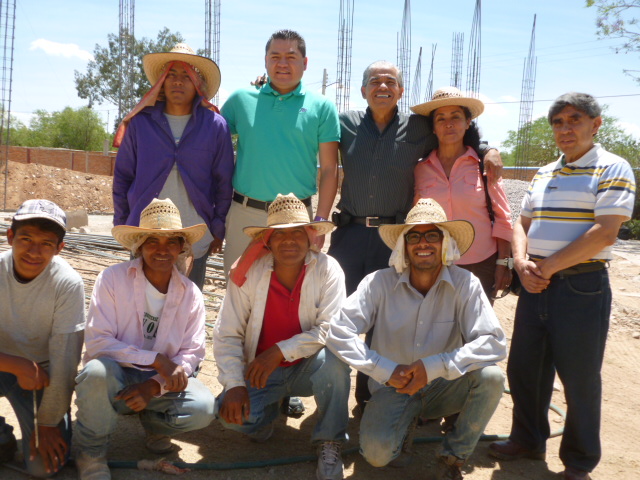
Ramiro Ortiz in the turquoise shirt stands next to Pastor Rosendo Arvizu Avalos (l.) and spouse Olivia
With the help we have received how could we get discouraged? We have shown that we are strong in our faith, stronger in reality than we were a year ago, stronger in every way, even in our daily lives, since we now have a charge, a work to carry out for the honor and glory of God. So, finally, the work has become a testimony that we are not alone.
Tell us more about the financial support the Church has received for the construction project.
To be frank, as a Church with no insurance on our buildings we always had the idea that other churches were going to help out. We had faith that we would receive aid, but as it is our project and our responsibility we

Jim Piper, Idaho Disciple, Global Ministries service volunteer, with three members of the Ortiz family at the Ortiz Machinery plant
We’ve received help from various churches of the Cofraternity (Disciples of Christ in Mexico) and from churches in the U.S. We also received a grant from the current administration of Maravillas township for the construction of the roof. Their donation amounted to 50,000 pesos (around $4000). I visited with the mayor and within a month his administration helped out.
Tell us about your own experience in being involved in this project –
A short while ago I had some good advice from a sister in the Church who
described how God knows whom to give to and whom to bless abundantly. If God gives a lot to someone who doesn’t know how to manage what they have that person is going to spend purely on material things. This sister told me that God had given me resources to manage for Him and for that reason I need to seek for ways to do just that. God knows to whom money should be given. Here on earth I consider myself one of God’s treasurers. All that God has chosen to give me carries for me the message that I am to watch over it, take care of it, manage it for Him. I don’t feel that I own it because in reality it isn’t mine, it belongs to God. Therefore I have to give, I have to put it to work as my sister in Christ advised me. But I also believe that we all have the opportunity to be blessed by our giving even though we don’t have much money.
I appreciate your sharing about the real pleasure you have found in giving and helping others –
I don’t give with an eye on how much you are giving to give. It’s true that I have felt joy in giving. It’s like when one gives to another person 10,000 pesos and that person feels happy, it’s the same happiness that I should feel in giving this amount to help out. I am happy when I can give to someone who needs help. I tell myself that this is my opportunity to show that God is truly in my heart.
There have been times when I wanted to give a testimony about how God has blessed me in many ways through my giving. But I don’t do it because there are others who give testimony about how they give so much and God has returned double the amount to them or how they received a good job after they gave or how with the money received after they gave they were able to buy a machine for their factory. I don’t want to speak about giving in that way because people could think that giving is like I’m investing and also that I’m boasting. I feel this way even though in my nine and a half years of running my company I have never failed to pay my employees on time. We’ve always been able to cover our payroll even at times when it’s been complicated by a lot of bills and unforeseen costs.
What are the Church’s plans for finishing the sanctuary building?
The congregation understands that during the month of December when most people receive a little extra at their work place – a salary increase, a loan, a bonus, a little exta money – we are hoping that this month they’ll be able to give a little more to the project. They aren’t obligated to give more. Only that with what extra they receive this month they will

Entry portico for the new sanctuary in July 2013
With 20,000 pesos a month we can put the finishing touches on the roof. And then we’ll proceed step by step inside and out with a window here and something else there until we spend the 300,000 pesos (around U.S. $24,000) that we estimate will be needed for the final stage of the project. That way it won’t look like we’ve abandoned the work. It’s important that we carry on and people won’t forget the need to pitch in. And with the much and the little that people are able to give and the help we receive from others God will enable us to finish the new sanctuary in the year to come.
No one can ever say this new sanctuary is mine; no one can ever say this is mine and I’m going to sell it. At the same time I can say it’s mine, it’s ours, it belongs to us all. So we are going to pledge among ourselves that we will complete the project. The worse would be to say no we can’t go on because I’m sick or I don’t have the money. Money and the material supplies it buys aren’t everything. This sanctuary is being built with something other than money and that’s why I am sure we will finish it before the end of this year.
************** ************ *************
Ramiro, danos un breve resumen del progreso y la experiencia de la iglesia en reconstruir el santuario este año pasado:
“Estamos muy sorprendidos que en menos de un año hemos hecho esta especie de avance en la construcción. Es una señal de que Dios ha estado con nosotros en este proyecto. Es una señal de que Dios ha estado con nosotros aún con la pérdida de nuestro santuario, aun cuando el techo se derrumbó. Siempre ha estado con nosotros hasta este momento. Es un testimonio frente a toda la comunidad de que nuestra iglesia cree en un Dios poderoso que ha sido capaz de ayudarnos a seguir adelante a pesar de nuestra pérdida. Es un testimonio para todas las iglesias que nos han ayudado con sus ofrendas, es un testimonio de que somos fuertes en la fe con su ayuda.
Con la ayuda que hemos recibido, ¿Cómo podríamos desalentarnos? Hemos demostrados que estamos fuertes en nuestra fe, más fuertes de lo que éramos hace un año, fortalecidos en cada aspecto, incluso en nuestro día a día, ya que ahora tenemos una encomienda, un trabajo que llevar a cabo para la honra y gloria de Dios. Finalmente, el trabajo ha sido un testimonio de que no estamos solos.
Dinos más acerca del apoyo financiero que la iglesia ha recibido para el proyecto de construcción
Para ser honesto, al ser una iglesia sin seguro en nuestros edificios siempre tuvimos la idea de que otras iglesias iban a ayudar. Teníamos fe de que recibiríamos ayuda, pero como éste era nuestro proyecto y nuestra
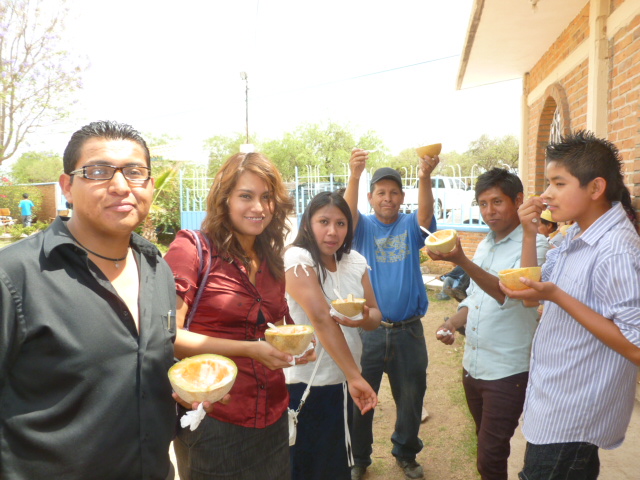
Jovenes de Maravillas despues del drame presentado el domingo de la ninez en 2013
Hemos recibido ayuda de varias iglesias de la Confraternidad (Discípulos de Cristo en México) y de iglesias en los Estados Unidos. También recibimos una suma de parte de la actual administración del pueblo de Maravillas para la construcción del techo. Esa donación alcanza los 50,000 pesos (alrededor de $4,000 US dolares). Yo visité al presidente dela comunidad y en un lapso de un mes su administración ayudó.
Cuéntanos más acerca de tu experiencia formando parte de este proyecto
Hace poco tiempo recibí un gran consejo de una hermana en la iglesia que describía cómo Dios sabe a quién dar y a quién bendecir en abundancia. Si Dios la da mucho a alguien que no sabe cómo manejarlo, esa persona va a gastarlo enteramente en cosas materiales. Esta hermana me dijo que Dios me ha dado recursos de Él para administrarlos y por esa razón necesito buscar maneras para hacerlo. Dios sabe a quién debe ser dado el dinero.
Aquí en la tierra me considero uno de los tesoreros de Dios. Todo lo que Dios ha escogido darme conlleva un mensaje de que debo observarlo, cuidarlo, administrarlo para Él. No siento que me pertenezca porque realmente no es mío, le pertenece a Dios. Por esa razón yo debo dar, debo poner todo mi esfuerzo justo como la hermana en Cristo me lo aconsejó. Pero también creo que todos tenemos la oportunidad de ser bendecidos por nuestras ofrendas a pesar de que no tengamos mucho dinero.
Agradezco que nos compartas acerca del placer que has encontrado en dar y ayudar a otros-
Yo no doy fijándome en lo que voy a recibir a cambio. Es verdad que he sentido gozo en dar. Es como cuando uno le da a una persona $ 10 000 pesos y esa persona se siente feliz, es la misma felicidad que yo debería sentir al ayudar con esa cantidad. Soy feliz cuando puedo ayudar a alguien en necesidad. Me digo a mí mismo que ésta es mi oportunidad de demostrar que Dios realmente está en mi corazón.
Ha habido tiempos en los que he querido dar testimonio acerca de cómo Dios me ha bendecido en muchas formas a través de mis ofrendas. No lo hago porque hay otros que dan testimonio de cómo han dado tanto a Dios y han recibido el doble o han recibido un buen trabajo después de haber dado o gracias al dinero que recibieron después de haber dado pudieron comprar una máquina para su empresa. No quiero hablar acerca de dar en esa manera porque la gente podría pensar que dar es algo parecido a invertir o podrían pensar que alardeo. Me siento así a pesar de que en los 9 años y medio que he estado dirigiendo mi compañía nunca he dejado de pagarles a mis empleados a tiempo. Siempre hemos sido capaces de cubrir la nómina incluso en ocasiones complicadas por las cuentas por pagar y los costos no previstos.
¿Cuáles son los planes de la iglesia para terminar la construcción del santuario?
La congregación entiende que durante el mes de diciembre la gente recibe un poco de dinero extra en sus trabajos – un aumento de salario, un préstamo, un bono, dinero adicional – Esperamos que en este mes la gente sea capaz de dar un poco extra al proyecto. No están obligados a dar más. Es sólo que con lo extra que reciben este mes ellos mismos querrán dar un poco más.
Si ellos mismos no quieren dar simplemente no deberían hacerlo, eso sería peor. Cuando alguien da porque se siente obligada o su corazón simplemente no está en eso, eso no ayudará. Aquellos que sientas el deseo de hacerlo en sus corazones, adelante. En enero evaluaremos nuestra deuda (actualmente en $300 000 -ed.) y qué tanto ha disminuido o aumentado. En cualquier caso podemos continuar colocando los toques finales en el techo ya que no implica mucho gasto en esa acción.
Con $20 000 pesos al mes podemos poner los toques finales en el techo. Entonces podríamos proceder paso a paso adentro y afuera con una ventana aquí y otra cosa allá hasta que gastemos los $300 000 pesos (alrededor de $24, 000 dólares) que estimamos necesitaremos para completar la etapa final del proyecto. De esta manera no parecerá que hemos abandonado el trabajo. Es importante que sigamos adelante y que la gente no olvide la necesidad que tenemos de avanzar. Y con lo mucho y lo poco que el agente sea capaz de dar y con la ayuda que recibimos de otros, Dios nos permitirá acabar su nuevo santuario en el año que viene.
Nadie podrá decir nunca que este nuevo santuario es mío; nadie nunca podrá decir que es mío y que pienso venderlo. Al mismo tiempo, puedo decir que es mío, es nuestro, nos pertenece a todos. Así que vamos a pedir entre nosotros para así completar el proyecto. Lo peor sería decir que no podemos continuar por enfermedad o falta de dinero. El dinero y los recursos materiales que compra no lo son todo. Este santuario está siendo construido con algo más que dinero y esa es la razón por la que estoy seguro que terminaremos antes de que termine el próximo año.
Meet Rev. Lisania Sustaita Martinez/Conozca Pastora Lisania
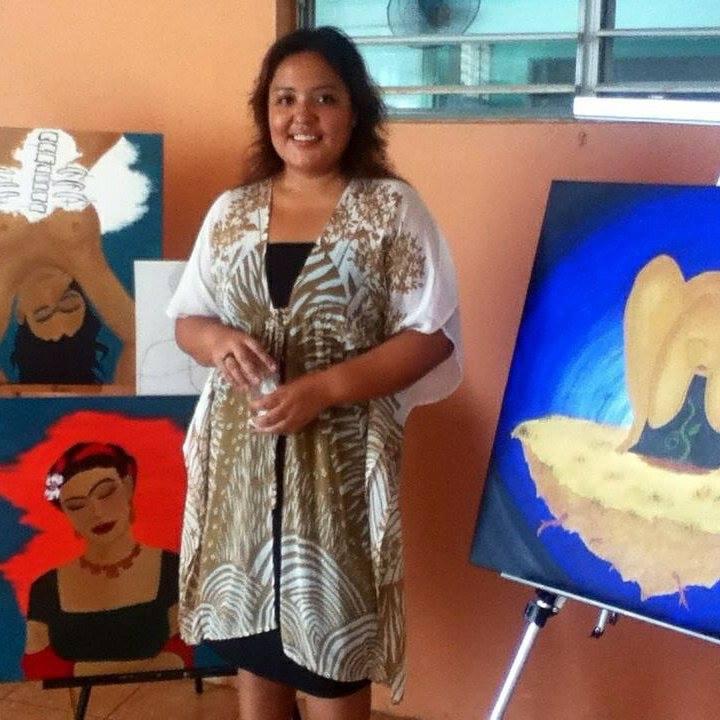
Rev. Lisania also considered doing a Bachelor’s degree in Fine Arts
ESTA ENTREVISTA DE LISANIA SIGUE EN ESPANOL DESPUES DE LA TRADUCCION EN INGLES DE REV. DOUGLAS SMITH
Rev. Lisania Sustaita Martinez was ordained as a pastor in the Central Christian Church of San Luis Potosi. She is the first Mexican Disciples pastor, male or female, to have both Bachelor’s and Master’s level training as a pastor. Her study for the Masters in Divinity at the Evangelical Seminary of Puerto Rico was made possible by scholarship support from the Latin America office of the Department of Global Ministries (U.C.C. and Disciples)
Tell us Lisania about your life and especially about your experience of the Church and how you were led to enter seminary –
My history in the Church began at a very young age because my parents began to prepare for pastoral leadership of a church as lay pastors when I was around 5 years old. This family involvement in the Church led me to participate at a young age in the life of two congregations, the one which my parents pastored and the church where we were members. In the two churches I began to take on leadership roles with the children and youth and with children’s education programs – by necessity in the small church my parents pastored and in the other congregation with the desire to become more involved. From a young age I took classes that the adults took and completed the work assigned and fully participated in the class. So from around ten years old I was committed to serve the church and that’s the way it’s always been.
So it was easy then to make your choice of vocation to serve as a pastor?
No, no it was not easy in any way. My concept of being a female pastor was very limited. My concept was that of having to be a single woman as a pastor and for me at that time of my life forming a family was a top priority for my life. I did not see my mother as a pastor as my father has been and is the one officially charged with the pastoral functions where they serve. To be a pastor then meant making the sacrifice to not have one’s own family. For this reason, I preferred to see myself as well prepared to serve as a pastor’s wife with a family instead of myself serving as a pastor.
On finishing high school in San Luis Potosi I decided that if I didn’t pass the exam to enter university for nursing studies then I would enter seminary. So when I passed the exam with a very good score I was elated; it was a great relief for me. But during my university studies I developed a close friendship with the missionary couple from Puerto Rico, Justino Perez and Zaida Rivera. Relating to them led me to think harder and deeper about theology and specific doctrines that I held at the time. Doctrines having to do with “this is how God speaks to us”, “this is how to be church”, “this is how not to be church”, “this is what the Bible says”, etc.
Also during my university training for nursing, we went to a summer session for Latinos held at Brite Seminary in the U.S. In that environment I felt the need to think more about how I would serve the church. I can say now that I felt a call to be a pastor. I talked with Justino and Zaida and they counseled me to complete my Bachelor’s degree in nursing so I would be prepared to apply for seminary studies at the Master’s level.
After graduating with the Bachelor’s, I chose the seminary in Puerto Rico mainly because that was where I knew some people, namely the two missionaries who were returning home. On their recommendation, I sent all my documents and academic records to Felix Ortiz in the Global Ministries’ Latin America office and it was a wonderful surprise for me and for Justino and Zaida to learn I would be receiving a generous scholarship in support of my pastoral studies.
So you finished your studies in June of this year and returned to Mexico to be ordained by the Disciples’ Church and serve the Church as have 18 other members of your family
Yes, it’s true that in the Martinez and Rosas families (on my mother’s side) 18 others have served and some now serve as pastors. My cousins Josue (pastor of Central Christian in San Luis Potosi, ed. Note) and David (pastor
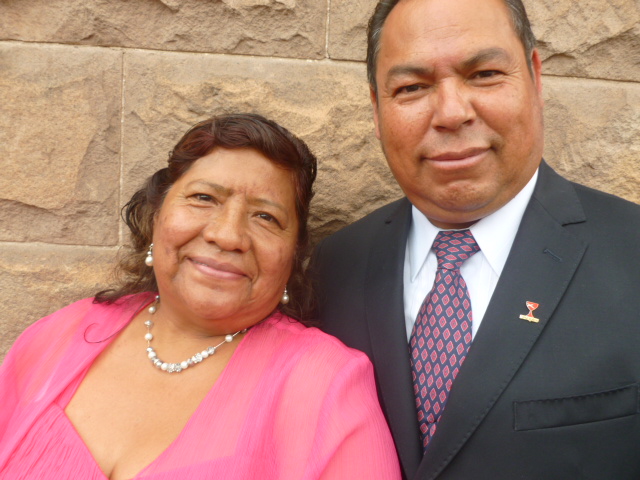
Lisania’s parents Elizabeth and Andres
of Los Retes on the outskirts of SLP) are the most recent along with me. I see this as a beautiful legacy but also something that can become a burden because there are so many who have gone before who are well known by persons still active in the Church.
So now what are your priorities or the outstanding priority for your work with the Roundtable of the Disciples and Congregational Churches and with the Central Christian Church here in SLP?
Well, in my prayers, it comes down to continuing education and “true accompaniment”. Accompaniment in the sense of not serving in a paternalistic manner which leads the church to dependency on someone to make its decisions or approach the Biblical text or become closer to God. “Effective accompaniment” as I see it means to share our experience and help administer programs but in a way in which the church walks on its own. Involvement in all the diverse areas of church and family life, providing tools for living by the faith but never pretending that we have the final solutions this is what I mean by “effective accompaniment”.
And in continuing education I plan to offer some new concepts, new ways of doing theology to lay and pastoral leaders alike; for example I intend to present the theology of liberation, awareness of community building required didn’t have and now can offer such as new versions of the Bible and capacity and resources for biblical exegesis, etc.
Continuing education carries more importance in our churches because lay leaders are required to take on such an important role in forming the discourse in our congregations and in our Disciples Church as a whole. So they need support in acquiring the educational tools for this role. Many of them take on the pastoral role faced with the immediate necessity, among them, my parents. They were provided with the best education the Church had but it was not a formal seminary course of instruction. They have been trained and they have been recognized for many years for filling the role of pastor of a congregation. We now must make accessible to them new concepts and learnings in response to their needs and the role they are dedicated to filling.
As a woman, as a young woman with a post graduate Master’s degree in pastoral training, don’t you feel a great challenge in beginning your work here where you are known as a daughter of the Church?
Yes, I do feel challenged but in a positive way. In the past I could feel it was more like a burden given my own high expectations and those of others; but I worked on that way of seeing the challenges in a process of
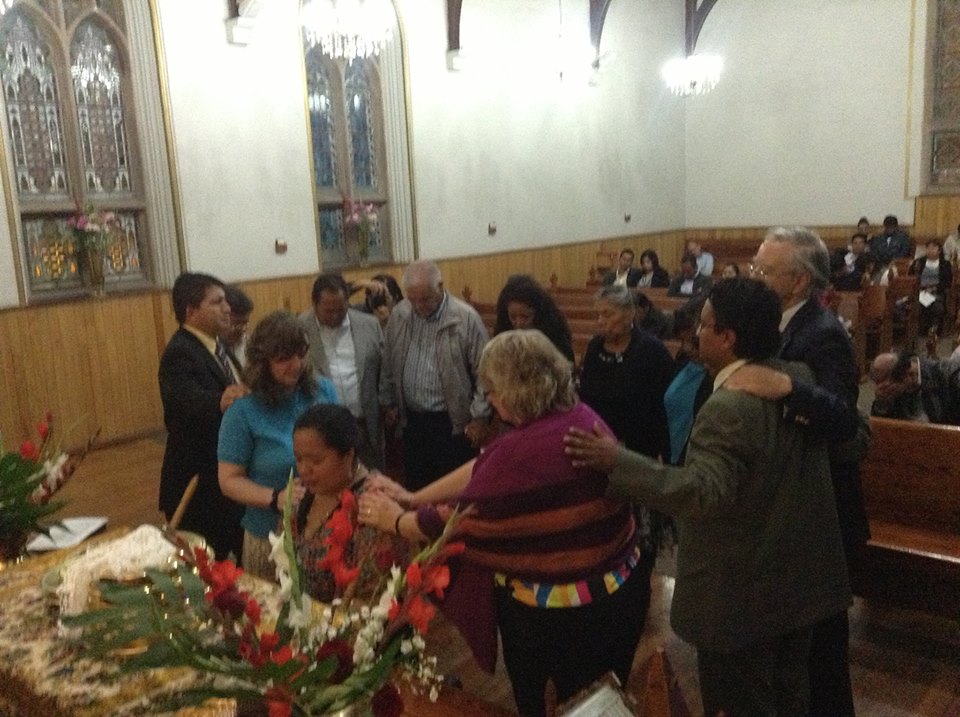
Nov. 17 Ordination of Lisania with Elena Hueghel on her right shoulder and Kate Moyer at her left
“self discovery” during my seminary training. What really helped me was the recognition that I was not alone in facing the challenges and this moving away from preparing to face them in a solitary, lonely struggle helped me a great deal. There are many others with their own worries, desires and similar challenges.
I began to take more notice that in Mexico while I was in seminary there were pastors and leaders of churches who were living their own processes of growth and learning. And in talking with pastors and lay leaders here I met with many who shared their desire for further training through continuing education. They spoke with me about their own efforts to approach challenging themes such as new theological concepts, traditional doctrine, how to read the Bible and how to come closer to God. So finally, this set of challenges pleases me because I don’t return to Mexico with the idea of opening doors or a door that is completely unknown. I know there are people around me and with me at those doors and that fact helps me greatly in seeing the doors and the challenges with more clarity.
In a spiritual retreat in Puerto Rico, I saw the challenges from the point of view of the parable in which the kingdom of heaven is described as being like the woman taking some leaven and putting it in some dough. Seemingly nothing happens until the next morning when on awakening the woman sees the dough has been leavened. Thinking about this woman, I began to consider my task in seminary as gaining some leavening of real quality. I now want to share this leavening, I want to teach things that are meaningful and important today, I want to share quality experiences that effectively leaven the dough.
Where do you see real progress with the churches in Mexico today? Where is there a breaking in of a vision of the kingdom of God in the life of the churches?
Well, I see an intergenerational opening in the churches today. One generation is open to listening and entering into dialog with another. I have seen some beautiful examples of change, of progress, of improvement when the youth become aware that they have a voice, they have ideas, they have something to offer and the adults are responding, “I want to listen and I am ready to work with you”.
When I’ve visited congregations where this kind of dialog is happening and not only dialog, but accompaniment also, and where the youth feel appreciated and backed by the adults and where the adults do not feel intimidated or threatened by the youth, in those congregations new opportunities flourish and the church is in movement. When the generations really listen to each other, the structures of the church become less important than the people in the church.
So Lisania, is there any other area in the church life today where you feel called to add your leavening?
Yes, I am interested in being involved in the opportunities of continuing education. I am interested in sharing what I have learned and am in the process of learning and I am interested in providing opportunities for women who face the consequences of machismo in the Mexican culture and the rigid gender roles that are so strong here. I want them to come to know and understand the way in which the Bible has often been used to support these conditions for women and men. I feel strongly the need to offer opportunities to study and discuss the way in which we can prevent the Bible from being used to maintain oppressive structures. Right now, there are only three ordained female pastors un Mexico un Disciples of Christ. But a lot of women are working, more than we three. I know de can change that reality.
Finally, I don’t see this context of machismo as healthy or pleasant for men either. I see that machismo damages both men and women. Men must get tired out from having to be right all the time, from having to be in control all the time and not having the right to express their fragility or the fact that they are tired. Machismo it seems to me is extremely oppressive and damaging for men as well.
******** ******* *********
La Revda. Lisania Sustaita Martinez fue ordenado en la Iglesia Central de San Luis Potosi el 17 de noviembre. Ella es la primera pastora o pastor de los Discipulos en Mexico de haber sido formado a los niveles de licenciatura y la de maestria. Sus estudios en el Seminario Evangelico de Puerto Rico como candidata para el nivel de M.Div. fueron apoyados por una beca otorgada por la oficina de America Latina del departamento de Ministerios Globales de los Discipulos y la U.C.C.
Hablemos de tu vida Lisania sobre todo tu experiencia de la iglesia y cómo has entrada en el seminario en Puerto Rico –
Yo creo que mi historia en la Iglesia empieza desde muy pequeña porque mis papas comenzaron a prepararse para atender una iglesia como obreros laicos desde que tenia como cinco años de edad. Esta cercanía me involucró desde una corta edad en la vida de dos Iglesias, la Iglesia que mis papas pastoreaban y la Iglesia a que pertenecíamos. En las dos Iglesias comencé a involucrarme en el liderazgo de la juvenil y con la educación de la niñez; en la Iglesia de mis papas con pocos miembros, por la necesidad de quien se involucrara en el trabajo y por la otra iglesia, por deseo de involucrarme más.
Desde muy joven tomaba las clases que los adultos tomaban y me dejaban presentar tareas y participar; me permitieron a participar y estudiar con ellos y con esto creo que desde los diez años estaba comprometida con el servicio de Dios y así fue siempre. Trabajé en el liderazgo sobre todo con la niñez y con la juventud.
Fue fácil su decisión vocacional de servir como pastora entonces?
No, no fue fácil en ninguna manera. Mi concepto de pastora fue limitada. Mi concepto de pastoral femenina era de ser soltera y en esa época para mí, formar una familia era un deseo prioritario. No veía a mi mamá como pastora por que mi papá es el encargado oficial de las funciones pastorales en la Iglesia. Ser pastora para mi llevaba el sentido de hacer el sacrificio de no formar una familia propia. Por esos conceptos, prefería verme como preparada para ser esposa de pastor y con familia, en lugar de servir yo misma como pastora.
Al término de la preparatoria, decidí que si no aprobaba el examen a la universidad, significaría que debía entrar al seminario. Por eso me regocijé cuando pasé el examen para seguir una carrera de Enfermería en la Universidad. Fue alivio para mi. Pero en esa época de mis estudios universitarios tuve una relación mas estrecha con los misioneros de Ministerios Globales, Justino Perez y su esposa Zaida Rivera. Relación que

Revda. Lisania tiene dones musicales tambien
fue muy nutritiva para mi por las ideas que me plantean en cuanto a las perspectivas y las doctrinas específicas que yo tenía. Como “así habla Dios”, “esto es iglesia”, “esto no es iglesia” “esta es lo que proclama la Biblia”, etc.
También al medio de mis estudios fuimos a un curso de verano para latinos en el seminario de Brite en los EUA. En esa ambiente me sentí en necesidad de enfocarme en el servicio de la Iglesia. Lo que puedo llamar vocación pastoral. Hablé con Justino y Zaida, quienes me aconsejaron terminar con la Universidad para que así pudiera aplicar en un seminario a nivel maestría. Escogí el seminario en Puerto Rico sobre todo por que ellos son de allá y en otros lugares con seminario no conocía a nadie. Presenté todos mis documentos y mis planes a Felix Ortiz de Ministerios Globales y fue una agradable sorpresa para mí, para Justino y Zaida que recibiera una beca generosa para apoyar mis estudios pastorales.
Entonces cumpliste tus estudios en junio de este año y volviste a Mexico para ser ordenada por la Iglesia Discípulos y servir a esta iglesia como 18 otros de su familia han servido.
Si es cierto que en la familias Martinez y Rosas (familia por parte de mamá) hay 18 otros que han servido y sirven como pastores. Mis primos Josué Martínez y David Flores son los más recientes y después yo. Creo que este es un bello legado pero también podría resultar una carga por que hay tantos antes de ti que son reconocidos de la gente aun en vida.
Y tus prioridades o la prioridad sobresaliente por tu trabajo con la Mesa Conjunta de los Discípulos y los Congregacionales y con la Iglesia Central de San Luis Potosí?
Bueno, en una oración, la educación continua y acompañamiento efectivo. Acompañamiento en el sentido de no servir en una manera paternalista que la iglesia no dependa absolutamente para hacer sus decisiones o acercarse al texto bíblico o para su experiencia con Dios. El acompañamiento es compartir nuestra experiencia y administrar programas pero de un modo en el que la iglesia camina sola. Asumir las diversas áreas de la vida de la congregacion, de las familias, proveyendo herramientas para vivir en la fe, pero nunca presumiendo que tenemos las soluciones definitivas.
Y en la educación continua, también otorgando nuevos conceptos nuevas maneras de hacer teología a los lideres laicos como por ejemplo proponiendo la teología de liberación, consciencia de labor social que se requiere de la iglesia; avances, descubrimientos que antes no teníamos y ahora podemos conocer como nuevas versiones de la Biblia, incursión en la exégesis bíblica, etc.
La educación continua lleva aun mas importancia dentro de nuestras Iglesias por que los laicos asumen un papel sobresaliente formando el discurso dentro de nuestras Iglesias y la Iglesia Discípulos en México, requiere que la pastoral sea respaldada con herramientas educativas. Muchos de ellos y ellas, laicos que se lanzan a pastorear ante la inminente necesidad; entre ellos, mis padres. Hubo la mejor educación que se les pudo otorgar, pero no educación académica formal en seminario. Han sido capacitados como líderes u obreros laicos y son reconocidos como pastores por sus muchos años y porque la labor que han realizado es propiamente la de pastorear una congregación. Tenemos que hacer accesibles, conceptos y enseñanzas actualizadas a este cuerpo pastoral y líderes laicos, en respuesta a la labor y esfuerzo que vienen realizando.
Como mujer, como joven con una formación de posgrado tras la licenciatura, no te sientes muy desafiada empezando tu trabajo aquí en donde te conocen como hija de la Iglesia?
Si, me siento muy desafiada, pero de manera positiva. En el pasado pude sentirme desafiada como una carga agresiva, dadas las expectativas propias y ajenas sobre mí; pero he estado trabajando con estos desafíos en Puerto Rico en mi proceso de auto-descubrimiento durante los estudios. Aprendí que se tiene que aceptar y tomar conciencia de las altas expectativas propias y de la gente que te rodean, por los logros que ya has alcanzado o los legados que llevamos detrás. Es entonces que puedo pasar al sentido más positivo del desafío, que no es un desafío solitario y esa me alegre mucho.
Muchas y muchos hay con inquietudes, deseos y esfuerzos similares. Para avanzar mis propios procesos de renovación me tenía que ir, pero al volver he podido reconocer que cada cual vive sus propias experiencias, sus pausas, sus caminos, según como les era necesario.
La gente aquí en Mexico durante ese tiempo ha vivido sus propios procesos. Hablando con pastores y líderes laicos aquí, me encuentro también con quienes me comparten que quisiera capacitarse de manera continua. Me hablan de sus esfuerzos a abordar temas desafiantes como la doctrina, nuevos conceptos teologicos , la Biblia y la manera de ver a Dios. Entonces es un desafio que me da gusto finalemente, que no vengo con la intención de abrir una puerta totalemente desconocida, que la gente a mi alrededor está a la puerta conmigo y entonces miro esta puerta y este desafío con mayor claridad.
En un retiro espiritual en Puerto Rico me imaginé el desafío desde el punto de vista de la parábola en la que el reino de los cielos es semejante a una mujer que tomo un poco de levadura y la metió en una medida de masa y aparentemente no pasó nada pero tras la noche y sin que ella se diera cuenta toda la masa está leuda. Pensando en esta mujer, consideraba la necesidad de adquirir levadura de calidad. Quiero compartir esta levadura, quiero enseñar cosas de calidad, compartir experiencias de calidad que leuden correctamente la masa.
Dónde ves un avance en las Iglesias actualmente en Mexico? Dónde hay una vista del reino de Dios dentro de las Iglesias hoy?
Bueno, veo una apertura intergeneracional en las Iglesias hoy. Una esta dispuesta a ceder y a diologar con la otra. He visto hermosas muestras de cambio, de avance, de mejora cuando la juventud se pone en actitud de saber que tiene voz, que tiene ideas, que puede aportar y la adultez dice “te quiero escuchar y voy a trabajar contigo”.
Cuando he visitado congregaciones en que han permitido este dialogo y no solamente eso, sino el acompañamiento también, que la juventud se siente reconocida, respaldada por la amplia experiencia de la adultez, y esta no se siente intimidada o desplazada, allí se abrireron oportunidades y las Iglesias caminan. Cuando las generaciones se escuchan ente ellas las estructuras llegan a ser menos importantes que las personas.
Y Lisania, hay otra área de la obra en que puedas añadir tu levadura?
Si, me interesa involucrarme en eventos de educación continua. Me interesa compartir lo que he aprendido y lo que estoy en proceso de aprender y me interesa mucho dirigirme hacia las mujeres por causa de la sociedad Mexicana que tiene un matiz machista y roles de genero rígidamente establecidos, y por la manera en que la Biblia ha sido usada para reforzar eso. Siento esa responsabilidad fuerte de invitar a foro, a discusión, de qué manera podemos evitar el uso de la Biblia para mantener estructuras opresivas. En la actualidad somos tres pastoras ordenadas en México, por parte de Discípulos de Cristo, aunque obviamente muchas más mujeres están ejerciendo esta labor sin dicho reconocimiento o respaldo. Sé que podemos cambiar esa realidad.
En fin, no creo que este matiz de machismo es por gusto de los hombres. Yo veo que el machismo nos hace daño a ambos, a los hombres y a las mujeres. Por que debe ser extremamente cansado que siempre deban tener la razón, estar siempre controlando el todo, no poder expresar su fragilidad o que están cansados. El machismo me parece altamente opresivo para los hombres.
Violencia y Amor en Mexico
La principal diferencia entre las sub-culturas dedicadas a la violaencia en
Mexico y los EE.UU. es que virtualmente todas las familias en Mexico se han
visto afectadas de alguna manera por la “ insecurity “ / inseguridad que
amenaza a muchas areas del pais. Las rutas de viaje estan determinadas por
los reported de “incidentes de seguridad” en ciertas carreteras principales.
Se han tomado precauciones tales como no manejar de noche en cualquier
Carretera, especialmente en las areas rurales y se aconseja no parar por
nadie en cualquier carretera en la noche o durante el dia.
Hemos estado vivendo aqui por solo un año y si sabemos de los efectos del
aumento de la violencia. El hermano de un amigo cercano fue secuestrado
recientemente en un estado vecino para pedir rescate, pero, gracias a la
rapida respuesta de su familia, fue liberado ileso dos dias despues. Nuestro
amigo estaba terriblemente estremecido por el calvario de su familia y Kate
y yo todavia estamos involucrados en la busqueda de maneras de expresar
nuestro amor, preocupacion y soporte.
Hace pocos dias una amiga en los EE.UU. pregunto en un correo electronico,
lo que la Iglesia aqui esta haciendo para responder al aumento de la
inseguridad y la violencia en Mexico. Ella tambien pregunto: “? Hay una
manera en que pudieramos trabajar juntos en esto?.
Despues de preguntarnos si teniamos algo que decir sobre esto, dos
respuestas de los Discipulos e Iglesias UCC a la “inseguridad” necesitan ser
mencionados. En primer lugar esta el hecho de que las Iglesias no se
sienten intimidadas en su trabajo por la violencia que leemos a diario. No
hay reuniones que hayan sido canceladas, no viajes restringidos, no hay
programas suspendidos debido al clima de vioslencia.
El año pasado una furgoneta cargada con los Discipulos de Ciudad Juaraez,
en la noche, se dirigieron a San Luis para la convencion de los hombres,
pero se vieron obligados a parar por una barricada en la carretera, y
articulos personales y la furgoneta fueron robados. Ilesos, los delegados
volvieron a casa en autobus. Este año, intrepidos ante las perdidas del año
anterior, una delegacion, aun mayor, de los hombres y las mujeres,
manejaron desde Ciudad Juarez hasta la convencion anual de los Discipulos
de la Iglesia.
El origen del café comercializado por mujeres Discipulos en San Luis Potosi,
en un ambicioso proyecto de “micro-empresa”, proviene del area mas
peligrosa del Estado. Aunque el café es cultivado por los Discipulos mejeres,
en una region donde se han producido represalias del cartel de drogas, no
hemos oido ni una palabra sobre el peligro que enfrentan las mujeres que
viajan por alli.
En segundo lugar, la Iglesia aqui ayuda a que la vida transcurra con la
ronda regular de las, fiestas y tradiciones de manera que se celebra la
presencia, con nosotros, de aquel cuyo “ el perfecto amor echa fuera el
temor” (I Jn 4:18 ). En este aspecto, pensamos en el pastor Victor y su
esposa que ahora viven y trabajan en Villa Union, una devastante
comunidad pobre en las orillas de Mazatlan, Sinaloa. La mahyoria de los
jovenes de esa comunidad, el pastor Victor nos dijo, ven dos opociones para
su vida: la temporada de pesca, con red, de camaron o participacion a bajo
nivel en el comercio de la droga. Victor y su esposa esperan ampliar la
vision de la juventud para sus vidas. Una nueva oportunidad que ellos
comenzaron a ofrecer, al mudarse a la comunidad era el entrenamiento en
la musica. Otras Iglesias Congregacionales en Sinaloa, el estado con el mas
antiguo y mas grande cartel de la droga en Mexico, estan involucrados en
el servicio a las familias mas vulnerable, al uso de drogas y la participacion
en su comercio.
Las mujeres en varias Iglesias Congregacionales de Sinaloa han iniciado
pequeñas empresas con fondeo financiero de Ministerios Globales. La Iglesia
de Mazatlan sostiene una serie de programas que atienden a los pobres, las
consultas gratuitas de salud, entre ellas. Asi, la vida transcurre en Sinaloa y
otros estados de Mexico, en parte, gracias al testimonio dinamico de
nuestras Iglesias asociadas en regiones conocidas principalmente en los
EE.UU. por su trafico de drogas y los incidentes de violencia.
En estas Iglesias asociadas, los bebes estan dedicados (bautizados), los
matrimonios realizados, cumpleaños reconocidos y se celebra la comunion
de la Cena del Señor. En cierto sentido, todos los que participan en la
adoracion, aqui estan declarando que el amor triunfa sobre el miedo. Como
comunidades de fe que representan “una buena noticia”, miembros de la
Iglesia tambien se preparan para envolver a los que sufren la perdida y el
trauma con un testimonio del amor de Dios, ! Gracias a Dios !
PD: Nos complace saber que recientemente, los populares cruceros
estadounidenses de Los Angeles y otras ciudades de la costa oeste, a
Mazatlan, se reanudaran el proximo año despues de un parentesis de tres
años.
Mil gracias a Alfonso Amparan por su traduccion de este articulo al espanol.
******************** ******************
IP 3:14-15 : “No temais lo que ellos temen, y no se dejen intimidar, pero en sus corazones santificad a Cristo como Señor. Siempre esten listos para
hacer una defense ante cualquiera que exija de ustedes una razon de la
esperanza que hay en vosotros”.
I Jn 4:18 “En el amor no hay temor, sino que el perfecto amor echa fuera el temor.”
On Violence and Love in Mexico

Sign made of confiscated firearms in the Mexican border city of Ciudad Juarez. Photo by Monica Ortiz Uribe of Fronteras
The major difference between the sub-cultures dedicated to violence in Mexico and the U.S. is that virtually every family in Mexico has been affected in some way by the “inseguridad”/insecurity that hovers over many areas of the country. Travel routes are determined by the reports of “incidents of insecurity” on certain major highways. Precautions are taken such as not driving at night on any highway especially in rural areas and one is advised to stop for no one on any highway at night or daytime.
We’ve been living here for just a year now and yes we know the effects of the rise in violence. The brother of a close friend was kidnapped for ransom recently in a neighboring state but, thanks to the quick response of his family, was released unharmed two days later. Our friend was terribly shaken by the family’s ordeal and Kate and I are still involved in finding ways to express our love, concern and support.
A few days ago a friend in the U.S. asked in an email what the church here is doing to respond to the rise in insecurity and violence in Mexico. She also asked, “Is there a way we could work together on this?”
After wondering if we had anything to say on this, two responses of the Disciples and UCC churches to the “insecurity” need to be mentioned. First is the fact that the churches are not intimidated in their work by the violence we read about on a daily basis. No meetings have been cancelled, no

Civilian possession of “military grade firearms”, including automatic assault weapons, is also prohibited in Mexico.
Last year a van loaded with Disciples from Ciudad Juarez headed at night to San Luis for the men’s convention but was forced to stop by a roadblock and personal items and the van were stolen. Unhurt, the delegates returned home by bus. This year, undaunted by the losses of the previous year, an even larger delegation of men and women drove from Juarez for the Disciples Church’s annual convention.
The source of the coffee marketed by San Luis Potosi Disciples women, in an ambitious “microenterprise” project, comes from the most dangerous area of the State. Although the coffee is grown by Disciples women in a region where drug cartel reprisals have taken place, we have not heard a word about the danger faced by the women traveling there.
Secondly, the Church here helps life go on with the regular round of holidays and traditions in a way that celebrates the presence with us of the one whose “perfect love drives out fear” (I Jn 4:18). In this regard, we think of Pastor Victor and wife now living and working in Villa Union, a devastatingly poor community on the outskirts of Mazatlan, Sinaloa. Most youth in that community, Pastor Victor told us, see two options for their lives: seasonal netting of shrimp or low level involvement in the drug trade. Victor and his spouse hope to broaden the youth’s vision for their lives. One new opportunity they began to offer on moving to the community was training in music. Other Congregational Churches in Sinaloa, the state with the oldest -and biggest?- drug cartel in Mexico, are involved in serving families most vulnerable to use of drugs and involvement in their trade.
Women in several Sinaloa Congregational churches have started small businesses with funding support from Global Ministries. The Mazatlan Church carries out an array of programs serving the poor, free health consultations among them. So life goes on in Sinaloa and other states of Mexico in part thanks to the dynamic witness of our partner churches in regions primarily known in the U.S. for their drug trafficking and incidents of violence.
In these partner churches, babies are dedicated, marriages performed, birthdays acknowledged and the Communion of the Lord’s Supper is celebrated. In a sense, all of those who participate in worship here are declaring that love triumphs over fear. As communities of faith representing that “good news”, Church members are also prepared to enfold those who do experience loss and trauma with a witness to God’s love. Thanks be to God!
P.S. : We were pleased to learn recently that the popular U.S. cruises from Los Angeles and other West coast cities to Mazatlan will resume next year after a three year hiatus.
******** ******* ******* ********
I P 3:14-15: “Do not fear what they fear, and do not be intimidated, but in your hearts sanctify Christ as Lord. Always be ready to make your defense to anyone who demands from you an accounting for the hope that is in you.”
“There is no fear in love but perfect love casts out fear.” I Jn 4:18
The Conquest and Christianity

Cortes and troops were dazzled as they entered the “capital of the Western world”, Tenochtitlan (now Mexico City) on November 8, 1519.
The Spanish conquest and colonisation of the New World soon led to a debate over enslavement of the Indian native population decades before the rest of Europe confronted the horror and injustice of the enslavement of Africans. This was due in large part to a few prophetic priests’ fierce criticism of their fellow countrymen’s treatment of Indians. The leading defender of the Indians, Father Bartholomew De las Casas, devoted himself for fifty years to enactment of labor reform in the Spanish colonies and to proclaiming the liberty and equality of the original inhabitants.
Sent in 1502 to manage the properties of his father in the Domincan Republic, De las Casas himself owned Indian slaves before he was converted to protect and defend the Indians by some powerful preaching and by his studies of the Bible. Consecrated as a priest by the Dominicans in 1510, he heard Father Antonio de Montosinos preach in the cathedral of Santo Domingo against all forms of oppression and exploitation. Anticipating the furious response to his sermon, Father de Montosinos chose the text, “I am the voice of one crying in the wilderness”. His congregation included the colony’s highest officials who demanded the priest retract his views in the following Sunday’s sermon.
Prior to the next Sunday’s sermon, the Prior of the Dominican community assured the officials that Father de Montosinos spoke for all the priests serving the colony. With this backing from his superior, the indomnitable de Montosinos based his sermon on Job 36:3 the following Sunday and added to his denunciations of injustices the proclamation that the sacraments would be denied any slave holder in the colony.
It seems important to note that the views of Father De las Casas on the treatment of the colonies’ natives were slow in evolving. Father de Montesinos mentored De las Casas with the warning, “the truth has ever had many enemies and falsehood many defenders”. Consecrated a priest at age 36, his first charge was managing a property and converting Indians in Cuba. Having witnessed gruesome attacks by Spaniards on “rebellious” Indians and the routine mistreatment of their laborers by the Spanish settlers, the turning point for the middle aged priest came on Pentecost 1514.
Searching for an appropriate text for the celebration of the birthday of the church, De Las Casas came upon the words of Eccl 34: “He that sacrificeth of a thing wrongfully gotten, his offering is ridiculous, and the gifts of unjust men are not accepted. The most High is not pleased with the offerings of the wicked; neither is He pacified for sin by the multitude of sacrifices….He that taketh away his neighbor’s living, slayeth him;

Father Bartholomew de las Casas was converted to the cause of the Indians in 1514 and labored tirelessly on their behalf until his death in 1566 at age 92.
The sermon’s effect was immediate on the preacher. De las Casas met with the Governor of Cuba to relinquish his properties and his rule over the Indians working there. He further began to make plans for his first of many trips to Spain to plea eloquently for equal rights for the Indians of the New World. The message in Spain on this first trip and all that followed included the conviction that those who ignored the rights of those created in God’s image would be condemned eternally in the court of God’s justice.
It took De las Casas a few years to extend his doctrine of justice and equality for the natives of the New World to the slaves bought on the coasts of Africa. When pressed on one of his first advocacy tours of Spain whether it would be acceptable to replace Indian laborers with African slaves working in Spain or direct from Africa, the defender of the Indians gave his approval to importing Africans as well as Spanish laborers. For nearly one hundred years Spain had bought African slaves from the Portuguese traders and they were a prominent feature of Spanish society especially in Las Casas’ hometown of Seville. De las Casas soon recanted from his support for African slave labor and extended his doctrine of equality and justice for those exploited by European rule to all the world’s colonized people.
Reading accounts of the conquest and colonization of the New World found in the Western Hemisphere one is struck by the consistent reference to conversion of the natives as the primary motive for the daring adventures. Cortes for example masterfully employed advance of the true faith in motivating his small band to enter yet another battle with the Indians. So how could their “championing of the Cross” have resulted in the near total decimation of the Indian population in the colonies of Spain?
Cortes himself explained to an Indian ally the behavior of some of his troops with the following words: “The Spaniards were troubled with a disease of the heart, for which gold was a specific remedy.” De las Casas’ biographer Francis McNutt points to the many temptations of the colonial setting as the background to the outrages of the colonizers: “Perverted as their conception of the true spirit of Christin propaganda may appear to us, it may not be doubted that many of these men were animated by honest missionary zeal and actually thought their singular methods would procure the conversion of the Indians. On the other hand, few of those who left Spain, animated by high motives, resisted the prevalent seductions of avarice and ambitions amid conditions so singularly favorable to their gratification.”
The great 19th century historian of the conquest William Prescott provided another explanation of the Spanish sins in their colonies: “Religion in that day was one of form and elaborate ceremony. In the punctilious attention to discipline, the spirit of Christianity was permitted to evaporate.” This sounds like something we need to be attentive to and avoid in our own day.
POST SCRIPT: Hatuey, an Indian chief in the first Spanish colony in the West, was urged to convert to Christianity before being burned at the stake so his soul would enter heaven. He asked if the white man would be there and when answered affirmatively, he responded, “Then I will not be a Christian, for I would not go again to a place where I must find men so cruel.”
For further reading on the era of Spanish conquest and the struggle to ameliorate the treatment of the native population:
Francis Augustus MacNutt, Bartholomew de las Casas; his life, apostolate and writings
Bartholomew de las Casas, A Brief Account of the Destruction of the Indies
Bernal Diaz del Castillo, The Memoirs of the Conquistador, a remarkable account of the conquest of Mexico by one of Cortes’ troops
William H. Prescott, History of the Conquest of Mexico
Grateful, Grateful
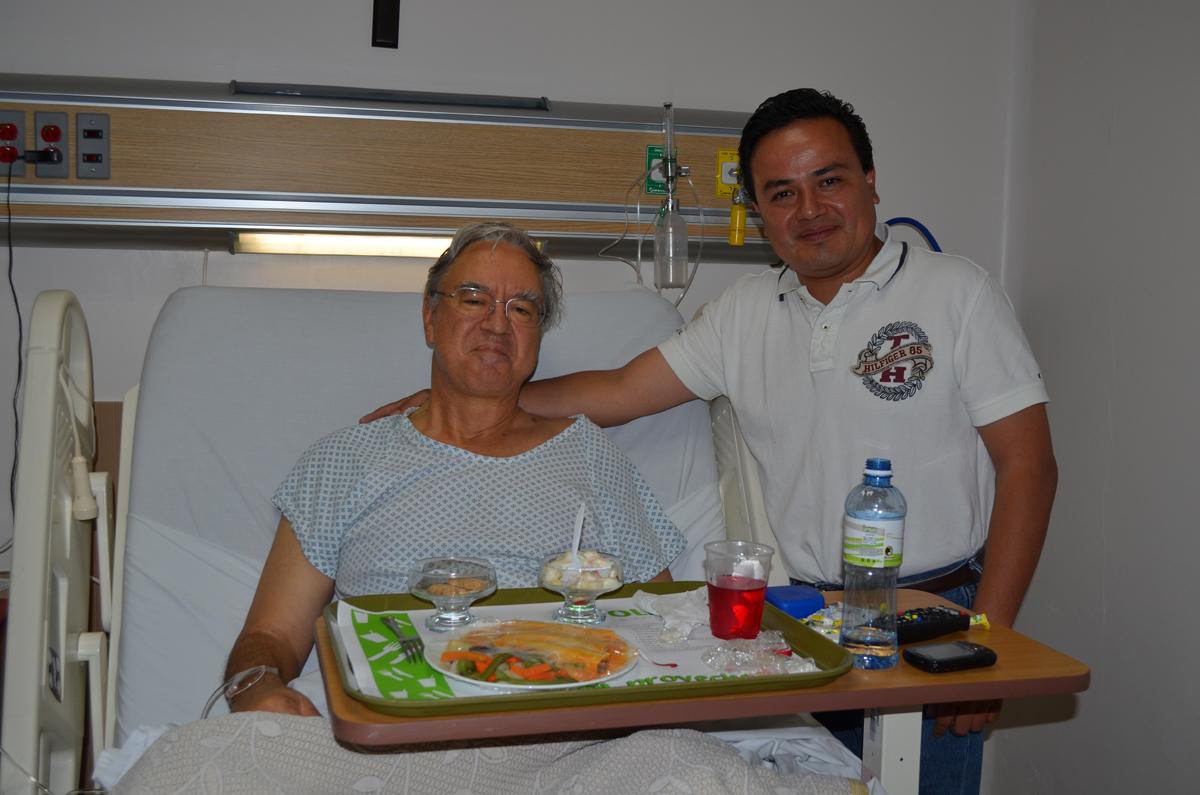
Doug with Dr. Humberto Gonzalez Mercado. San Luis Potosi’s med school where he trained is hailed as among the best in Mexico.
Like crocus buds pushing their way through the snow, faith that felt authentic and sure reappeared yesterday morning. Just the heads pointing to the sky but it was enough. The constant hip pain that was the new symptom of my month long illness would too pass away and I would soon be active and healthy again.
Lacking a definite diagnosis, faith didn’t come into play in the early days of my illness. Cancer had been mentioned but soon the evidence weighed against such a diagnosis. So in the absence of a focus on faith, while going over my favorite Psalms, my favorite prayers, and praying for myself and others, gratitude quickly emerged as the primary theme of my thoughts. Gratitude for the concern and prayers of family and friends in many places. Gratitude for the many hospital visits of friends in Mexico coming from as far as two hours away. Gratitude for the dedication to caring for others manifested by nurses and doctors in both Oli-Med Hospital San Luis Potosi and at the University of Kansas hospital in Kansas City where I was transferred October 8.
Gratitude for the quality of care I have received began with the initial visit of Dr. Humberto Gonzalez Mercado of San Luis Potosi Julien Carrillo Disciples Church. It was soon apparent that he was both competent and ready to commit to seeing me through this illness at no cost. He it was who on October 1 had me admitted to the private room in the SLP Hospital whose nurses and staff treated me like royalty. Dr. Mercado is the only doctor I have ever known who asked me to pray for another patient of his; I was grateful to be under the care of such a physician whose directness, sharing of his own life and optimism I could feel contributing mightily to my healing.
Thanks to the MRI and other expensive tests (covered by my U.S. care-only health insurance) in Kansas City we now know the extensive blood clot on my liver is the cause of the symptoms I had felt to a slight degree even five months ago. So my blood is being thinned under medication and once I adjust to the effect of coumedin on my body we will be flying back to SLP.
My room in the Kansas City hospital faced the sun rise and I was treated to a golden horizon most mornings before facing the needles of the new day. W.H. Auden’s definition of faith is “to choose to do what is difficult every day of our lives as though it were easy, that is faith”. Some times the difficult may just be getting out of bed. So I’m also very grateful for those sun rises in the hospital that made it so much easier to get out of the bed.
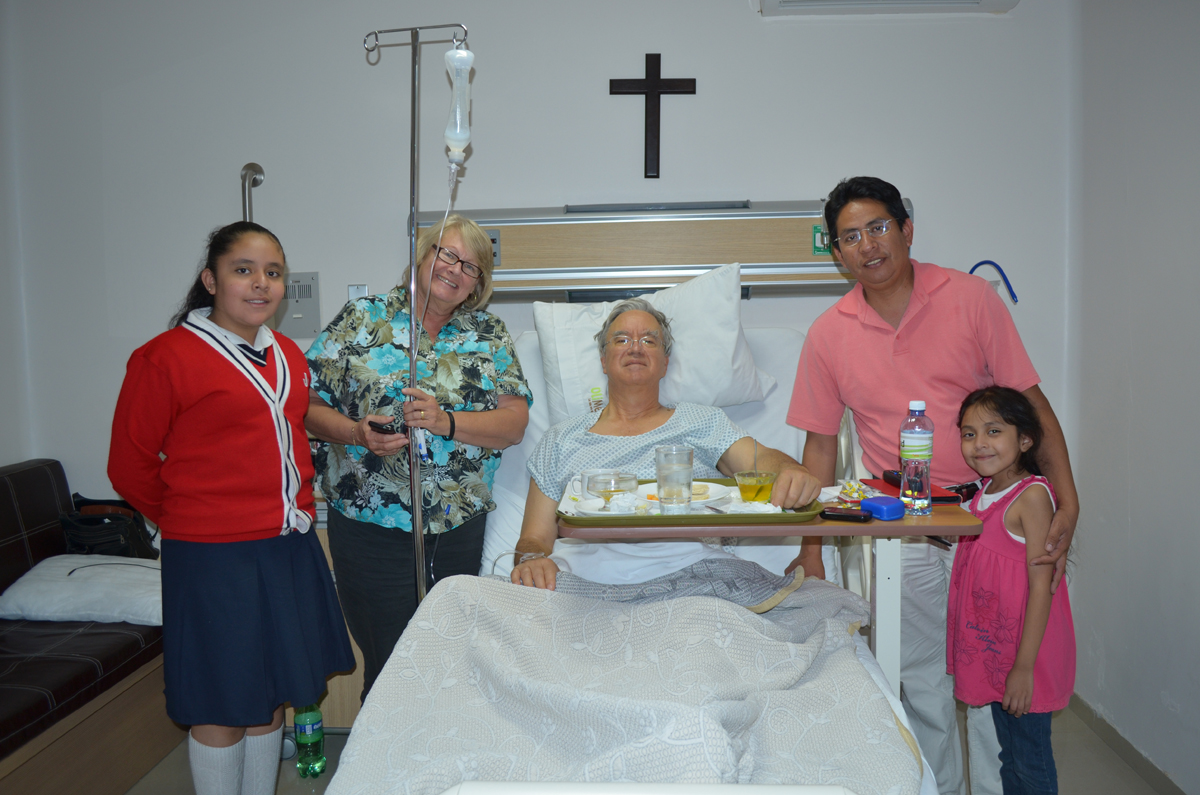
Dr. Mercado’s Pastor Rogelio Espino Flores with daughters and Kate. Total cost of my six night stay in Oli Med Hospital came to less than $4000.
Mil gracias to Heidi, Pastor Rogelio’s spouse, for the photos
What a Birthday!
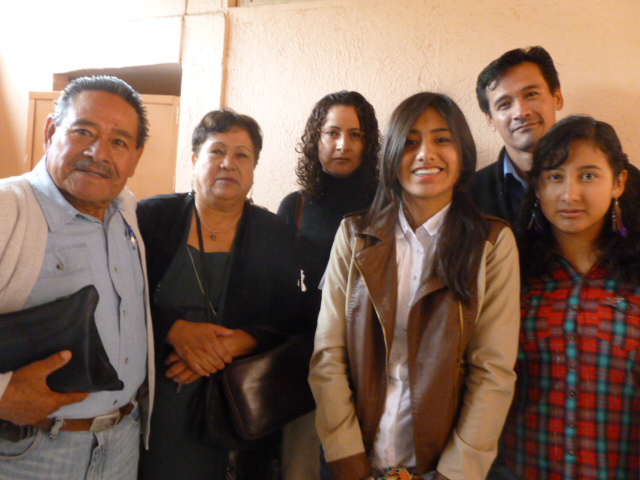
Jamie and Heidi join grandparents Natividad and Eva and mother and father for worship at Julien Carrillo
In both Disciples churches we attend in San Luis Potosi, there are a few bilingual English-Spanish speakers, most of whom have spent time in the U.S. At the Julien Carrrillo church, Natividad Tovar Torres spent over thirty years as a railroad employee, and a proud union member, after working in the fields of California. Nati and wife Eva Beltran Castro now live on a couple of acres of land in one of the housing developments that have mushroomed on the outskirts of the old town center.
When their pastor Rogelio Espino Lopez invited us to accompany him and his family to lunch in Nati and Eva’s home we gladly accepted. While Pastor Rogelio and Eva talked about the details for the upcoming worship service for his granddaughters’ quincenara birthday party at age 15, Nati proudly gave us a tour of his marigold fields, livestock and rooster (for cock fighting) pens. Drip irrigation keeps over an acre of marigolds flourishing before they are harvested for sale during the Day of the Dead fiesta on October 31. “Cempasuchiles”/marigolds have adorned graves before the conquest of Mexico by the Spaniards and are a principal feature of the altars created to honor and remember those departed from Catholic households across Mexico.
We hope the marigold crop is profitable this year because the quincenara (literally “the female at age 15”) last Saturday was a lavish event. A large tent was set up next to the house to accommodate over one hundred fifty guests. Family and church members and friends of Heidi and Jamie participated in the opening worship where numerous gifts were presented to accompany the cousins into adulthood. The significance of each gift was mentioned by Pastor Rogelio or the

Marisol of Julien Carrillo Church gives Heidi a Bible
The meal began with a delicious cup of “charro” beans (a broth of pinto beans, meat, onions and cilantro), followed by barbecue beef and lamb with rice, fresh tortillas, limes, onion and cilantro and heaps of green or red salsa. The cake was served while many were huddled in groups around the tables under the two tents or defying the soft rain that fell most of the afternoon.
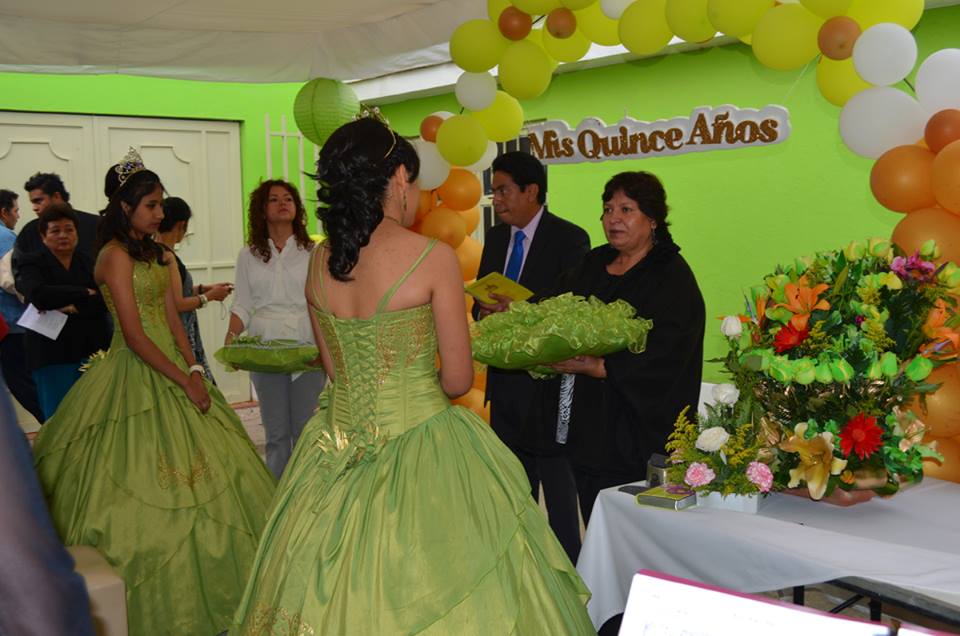
The pillows (“cojines”) are presented by a family member and a church member
That both fathers did return for their daughters’ quincenaras can be seen as powerful testimony to the durability and importance of the ties of family in the Mexican culture. Transfers of earnings from the States to family members back in Mexico represent further evidence of the strength of those ties. After oil exports, those transfers are the leading source of foreign exchange for Mexico. During the long period of separation of father and mother and father and children, Church friends affirm and bless those family ties as the work of the Creator whose love is always with the family.
We close with an early nineteenth century commentary on the power of family ties within the Mexican cultures. Written by Fanny Calderon de la Barca (Scottish wife of the Spanish ambassador), we find it as true today as when she wrote the letters that make up her renowned 1843 book, Life in Mexico .
“I have seen no country where families are so knit together as in Mexico, where the affections are so concentrated, or where such devoted respect and obedience are shown by the married sons and daughters to their parents….I know many families of which the married branches continue to live in their father’s house, forming a sort of small colony, and living in the most perfect harmony. They cannot bear the idea of being separated and nothing but dire necessity ever forces them to leave their fatherland.”
Dire necessity and the work opportunities in the U.S. during the last one hundred years do not seem to have diminished the bonds of family in Mexico.

Pastor Rogelio speaks to the young women
Hearty thanks to Heidi Sifuentes Lopez (wife of Pastor Rogelio) for the photos and indispensable help with this post.
Border Walls
With immigration law reform such a hotly debated topic in the U.S. these days, we want to describe our path to legal residence on this side of the border. On May 2 this year we were granted “Temporary Resident” status in Mexico. In approving our application for residency for the period of two years, the Office of Immigration wrote us the following:
“As a country valuing hospitality……Mexico is pleased to send you the enclosed card (green!) in approval of your stay as a temporary resident thereby signaling permission…..for unrestricted movement within the national territory, access to education and health services and to the justice system.”
We had applied to the Immigration Office in San Luis Potosi shortly before the six month tourist visa we entered with had expired. While waiting for the application to be processed, we received a “Departure and Reentry Permit”, valid for a 60 day period, and then left for a month’s vacation in the States.
On our return to San Luis Potosi, we celebrated our new legal status and the green card, bearing a hideous photo, now in our billfolds. The whole process cost us about $400 U.S. each with no lawyer involved. As what our Disciples/UCC Global Ministries Office terms “Service Volunteers”, we did not apply for a work permit. The Office of Immigration did note on the application that we were in Mexico to serve Disciples of Christ and Congregational Churches of the Mexican Roundtable, “Mesa Conjunta”.
Throughout the process of establishing legal residence, we were of course mindful of the contrasting procedures for establishing residence in the neighboring countries of Mexico and the U.S. There any so many barriers now in place, almost entirely on the U.S. side of the border, which impede or prevent relationships between people of our two countries. The current application process makes even a short visit to the States a formidable challenge that is out of reach of most Mexican citizens.
While in Mazatlan recently, we enthusiastically talked with church leaders there about organizing cross border visits, particularly for youth, in the two countries. Youth from the U.S. have been hosted by the Congregational Church in Mazatlan but it’s not so simple for Mexican youth to return the visit. While a tourist card at the Mexican border costs a U.S. cit
izen around $22 U.S. now, a U.S. tourist visa for a Mexican will involve a processing fee of $160 plus around $40 for DHL delivery of the visa. A Mexican youth will have to be interviewed at the nearest U.S. Consulate and in the case of a Mazatlan youth that would be in Hermosillo, a $3000 Mexican pesos round trip. All this in addition to the cost of a Mexican passport of $955 Mexican pesos or around $73 U.S. make an almost insurmountable barrier for an exchange visit by Mexican youth.
But it isn’t only prohibitive costs and lengthy processing of applications for Mexican visitors;

Child scaling the U.S. -Mexico border wall at Brownsville, TX
We hope this blog contributes not only to “erasing borders” but also to breaking down some walls of separation between communities of faith in the two countries. Disciples and UCC churches in the U.S. have a history of more than one hundred years of service in Mexico. As more and more Spanish speaking communities of faith affiliate with our two denominations, our relationships with Congregational and Disciples church members in Mexico represent a great asset and resource for a more inclusive Church in the U.S.
An excellent article on the real reasons, internal security is not among them, for the U.S. government constructing a wall on the Mexican border can be found at https://nacla.org/article/why-build-border-wall
Graduation, Retreat and Mission
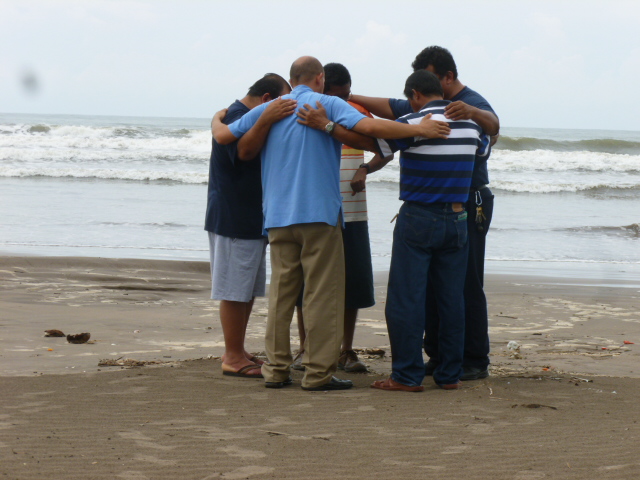
Congregational pastors praying on the beach before returning home from the Novillero, Nayarit retreat
Our most recent journey began in Aguascalientes with a meeting of the Mesa Conjunta (Roundtable), the Global Ministries partner in Mexico to which we are assigned. Rev. Felix Ortiz, Latin America Executive for Global Ministries, celebrated Lisania Sustaida’s completion
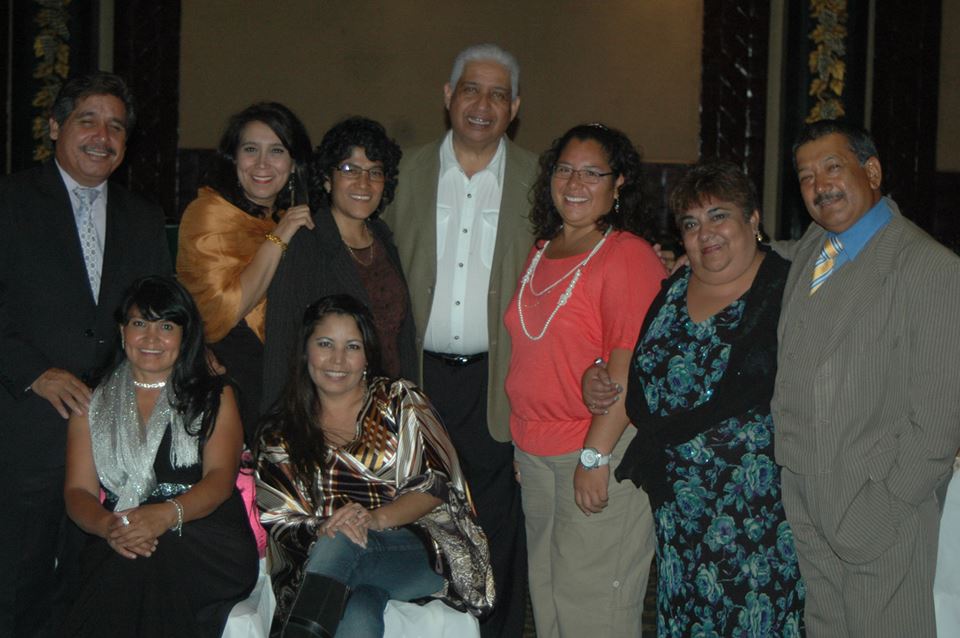
Rev. Felix Ortiz with Aguascalientes seminary (SEBA) graduates and friends
On the evening of the Roundtable meeting, the one seminary among Disciples and Congregational

A few of the graduates in the “Rev. Felix Ortiz Graduating Class”
On the next leg of the trip, we enjoyed our first stay on a beach in Mexico. The retreat for pastors of Congregational churches was held at a comfortable hotel in Novillero which boasts the longest beach in the country and fine, soft sand. During the two and a half days, Doug presented and led discussion on the theme of “Joy in Ministry”. Isa 55 was meditated on during devotional time and during sessions on the topics of joy in community, joy in cultivating spiritual disciplines, and joy in living by a vision. After a lapse of three years during which the pastors had not gathered, it was gratifying to see the enthusiasm in planning next year’s retreat at the same location.
Three of the pastors at the retreat are on the staff of the Congregational Christian Church of Mazatlan which we enjoyed visiting on our last stop. During his twenty three years as lead pastor, Daniel Celis has helped the Church grow from 90 to 365 members. Along with offering
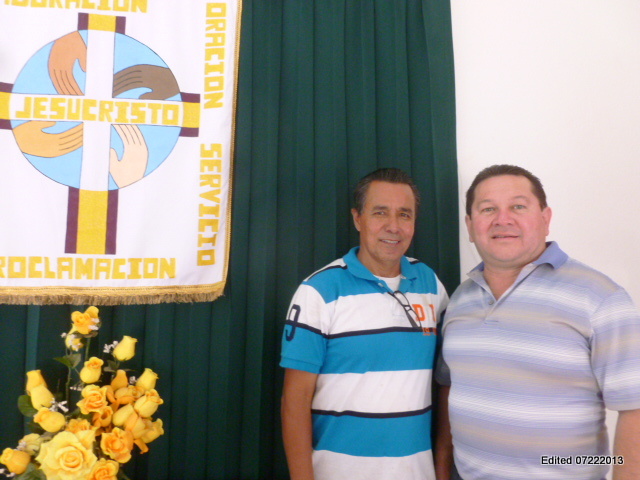
Rev. Daniel Celis (r.) with Pastor Jose of Villas del Sol, one of Mazatlan’s 3 “mission” churches
It was a great joy to meet the family of Pastor Victor C. who had shared at the retreat his

The Mazatlan Congregational Church, oldest Protestant church in the city, founded this school many years ago
On Sunday, August 25, we were delighted to finally participate in worship at the churches in Pozole and Apoderado, twin communities an hour and a half south of Mazatlan. Pastor Miguel Villa, Congregational representative for the Roundtable, had invited us months ago but the daunting distance of travel from San Luis Potosi made us postpone the visit. Accompanied by Miguel, wife Maribel, daughter Miriam and musician Margarita we enjoyed preaching in the two rural communities and returned Sunday evening to Mazatlan laden with the biggest mangoes and avocadoes we had ever seen.
Now back home in San Luis Potosi, this latest trip has deepened our feelings of gratitude for being called to serve in Mexico. We look forward to returning and continuing to share in ministry with brothers and sisters in each place visited. God has richly blessed us.
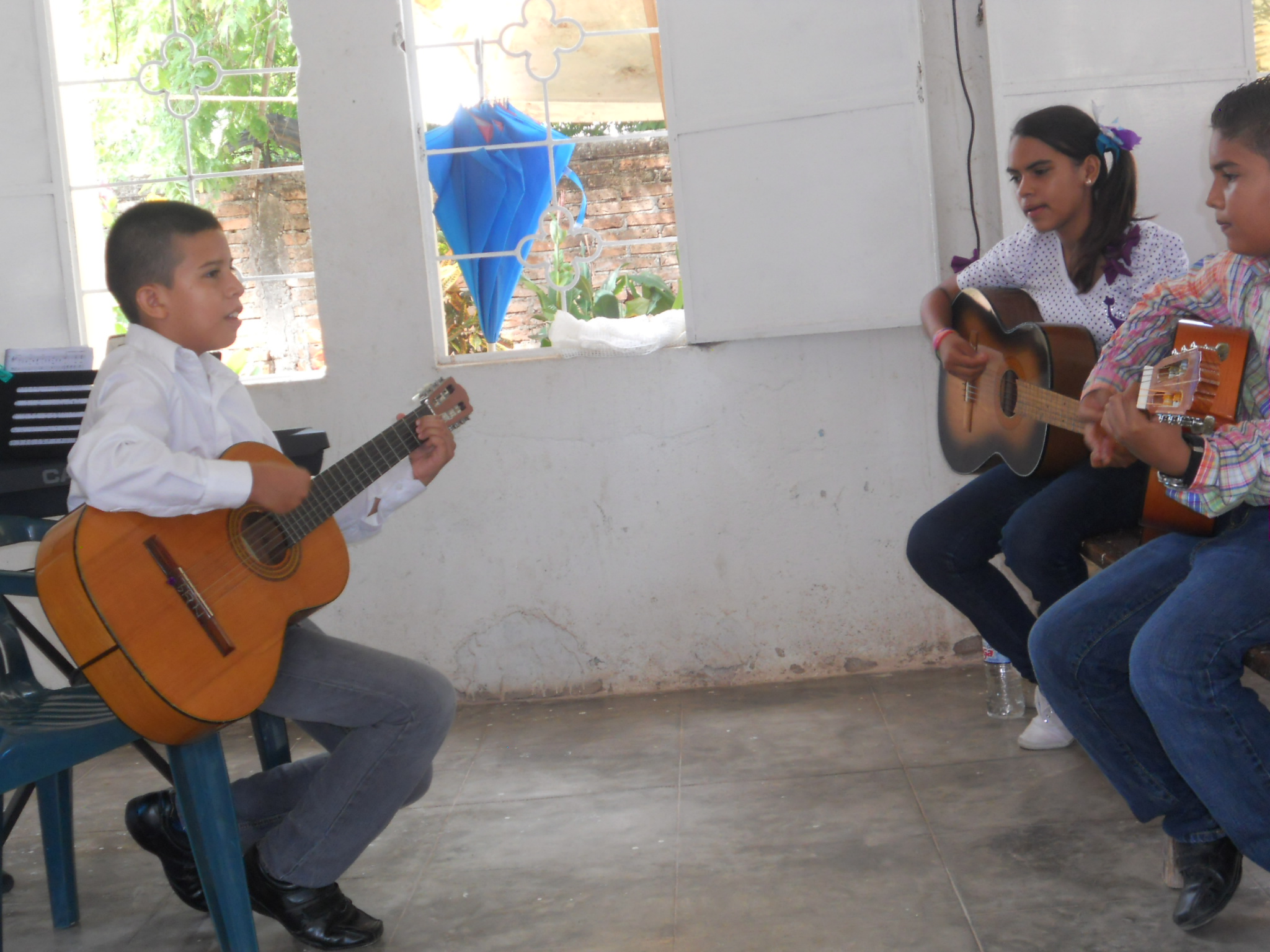
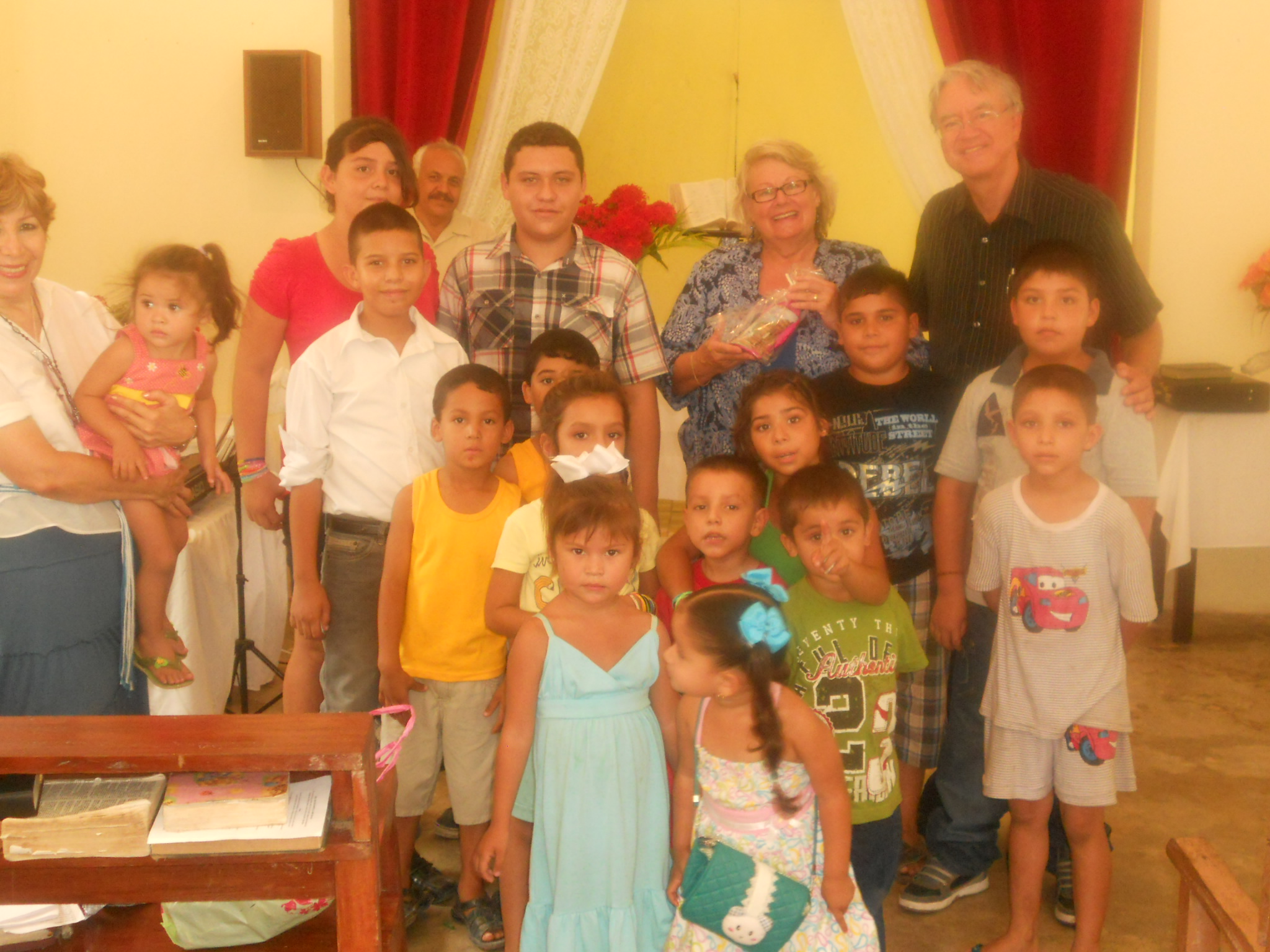
Click on a picture in the trip’s Gallery below for a larger view. Credits: Myrna Paz for Aguascalientes graduation photos, Miriam Villa for Pozole and Apoderado photos and David _ of Mazatlan Congregational Church for Sat. leaders’ meeting These Apoderado musicians have been playing for less than a year thanks to Margarita, church music teacher Pozole youth and children with Pastor Miguel Villa in back and Maribel on left
photos.

This mural on Villas del Sol’s sanctuary wall was painted by a church member
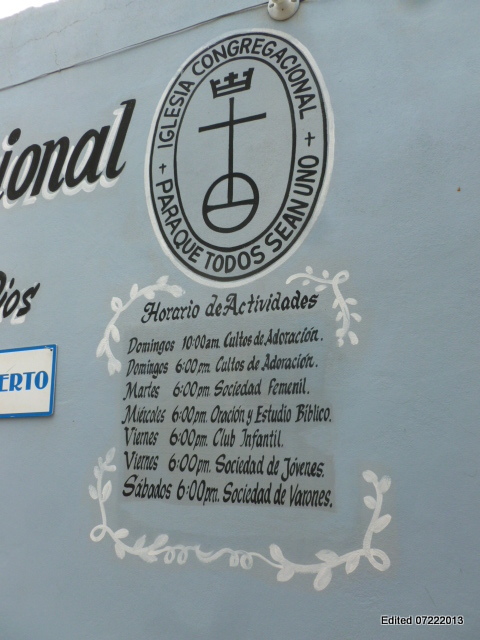
youth activities dominate the weekly schedule at Villa Union “mission” church
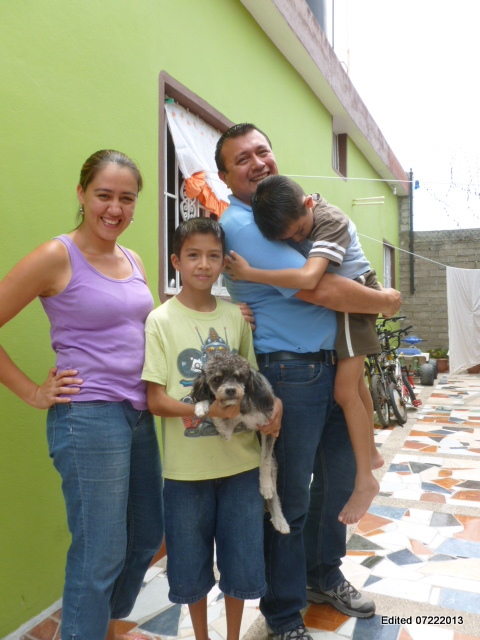
Pastor Victor C., Jessie, Elias and a tired Isais outside their new Villa Union home

The iguana at the retreat kept its distance from us

Meals began with song: see Facebook Douglas W Smith page for a video
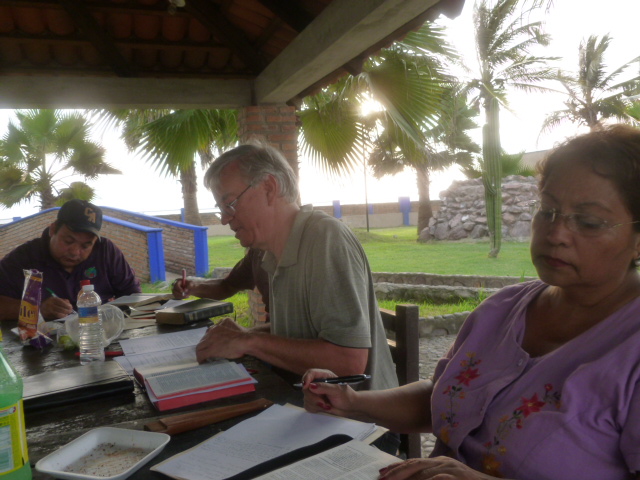
The fresh air setting next to the beach enhanced our retreat sessions
-
- Male Apoderado church members, like those of Pozole, are farmers and shrimp fishermen


