Dismantling the Empire of Oil
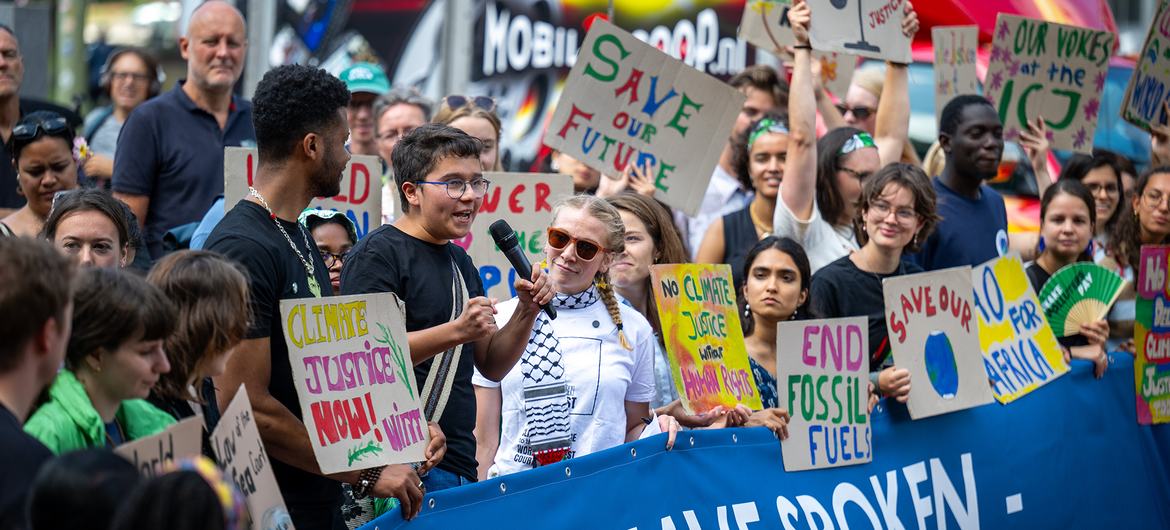
An old man walks miles to the grave of his wife daily. His village in Fiji has been forced to relocate and leave the ancestors’ remains behind. They are now expected to be safely above the rising waters on their island. What kind of flowers does the old man leave on the grave? The question still occurs to the lead attorney on the court case charging fossil fuel advocates with endangering our life on Earth.
The old man’s story impelled Julian Aguon, the attorney from Guam, to spend five years preparing the case against all who profit from continued extraction and distribution of the source of 80-85% of carbon emissions. The Pacific island nation of Vanuatu stepped forward to present the case to the International Court of Justice. The Court’s findings issued in July of last year were summarized by the International Center for Environmental Law, “the Court recognized fossil fuels as the root cause of the crisis, that certain sectors, like oil and gas, play an outsized role in generating planet-warming emissions, and that States must regulate and hold those corporate polluters to account”. In a document supporting the case the World Health Organization (WHO) stated, “[O]nly a rapid and equitable phase-out of fossil fuels can protect the health of both people and the planet from the climate crisis.”
Vanuatu provides compelling evidence of the climate catastrophe largely due to fossil fuel combustion. Half its Gross Domestic Product was destroyed in a cyclone and its islands continue to be rocked by one extreme weather event after another. Vanuatu was joined by the youth of all Pacific Island nations in charging those UN members which are “proactively expanding their fossil fuel production and consumption, paying lip service to their climate commitments” and ignoring the “due diligence that was and is required from them.”
Vanuatu along with Ireland will serve as co-host of next spring’s second International Conference on Transitioning Away From Fossil Fuels. In spite of the challenges in getting to the Vanuatu site of the Conference, the July 2025 Court “advisory opinion” will likely lead many more nations to attend than the 57 participating in the first Conference in Colombia. The Conference will serve as another venue to organize support for the Fossil Fuel Non-Proliferation Treaty initiated by the indigenous peoples of Pacific Island nations. In a growing split from the U.S. response, European signators of the Treaty now include Germany and the U.K.
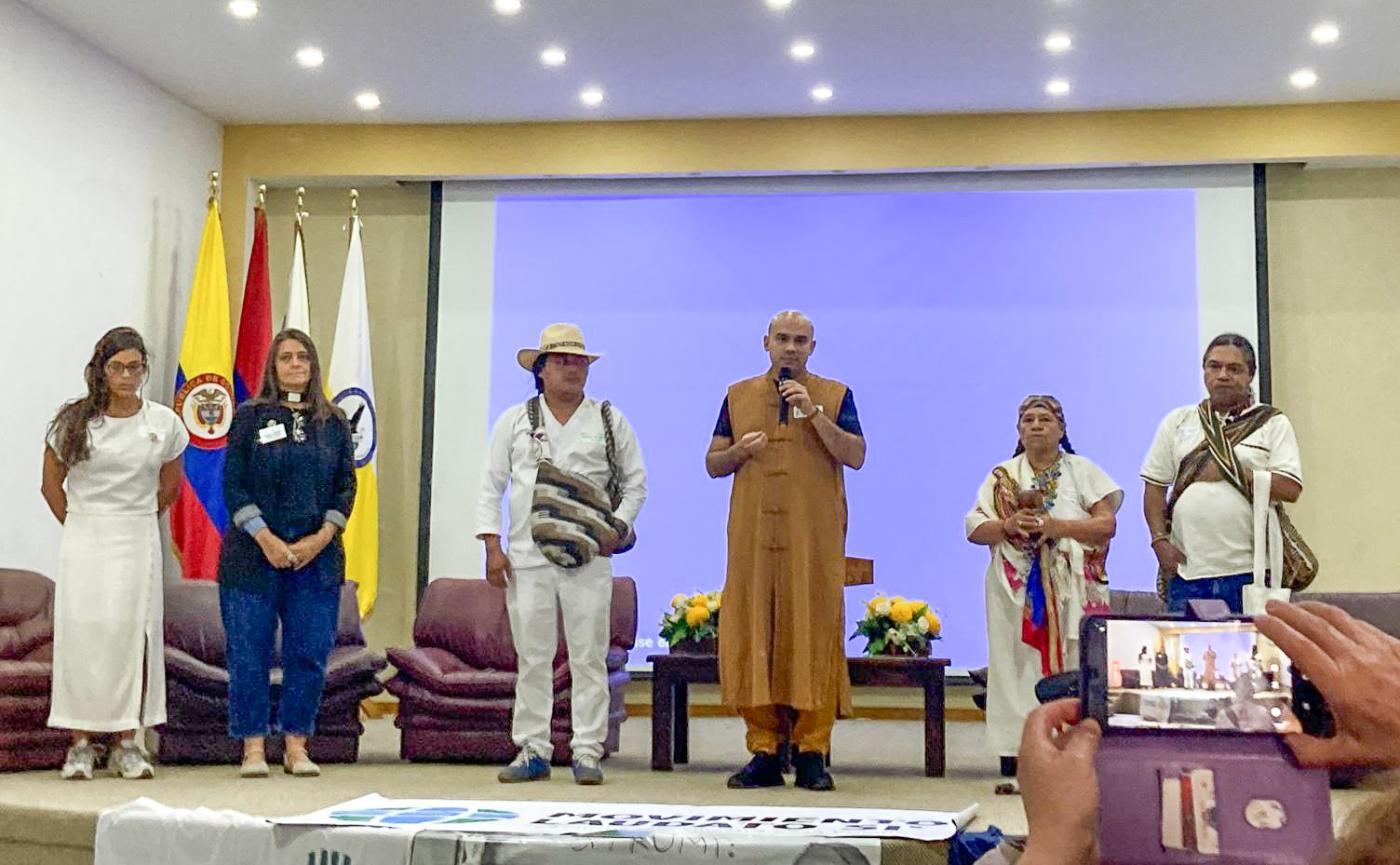
Progressive Christian faith communities in the U.S. and world-wide have strongly supported these initiatives to suppport nations’ freedom from fossil fuel reliance and grow the renewable energy infrastructure. The World Council of Churches (WCC) staff member for Climate Justice declared, ““Churches [and people of good will] are called to rise with prophetic urgency, speak with a voice of moral clarity, and embody a new Exodus – an exodus from the captivity of greed, a departure from an extractive economy, and a journey toward the freedom of a restored creation.” The WCC represents 356 church bodies in 120 countries. They joined leaders of Earth’s indigenous faith communities in submitting to the first Conference their agreement that “the transition away from fossil fuels is not a matter of ideology. It is a matter of survival, of justice, of fidelity to the very ground of our being.”
Julian Aguon may never learn what kind of flowers the old man leaves every day on that grave in Fiji. The impact on Julian of the man’s daily trek is, however, shared through the attorney’s work on behalf of the transition away from fossil fuels in Fiji and around the world.

Posted on May 22, 2026, in Global Economy, Interfaith Relations and Politics, Transition to Renewable Energy Sources, Uncategorized, World Council of Churches and tagged "Advisory opinion" of the International Court of Justice on continued reliance on fossil fuels, Julian Aguon presents the case of the threat of fossil fuel combustion, Second International Conference for Transitioning Away From Fossil Fuels, Vanuatu leads the movement to develop renewable energy sources. Bookmark the permalink. Leave a comment.


Leave a comment
Comments 0