Letter to the Churches of México / Carta a las Iglesias de México
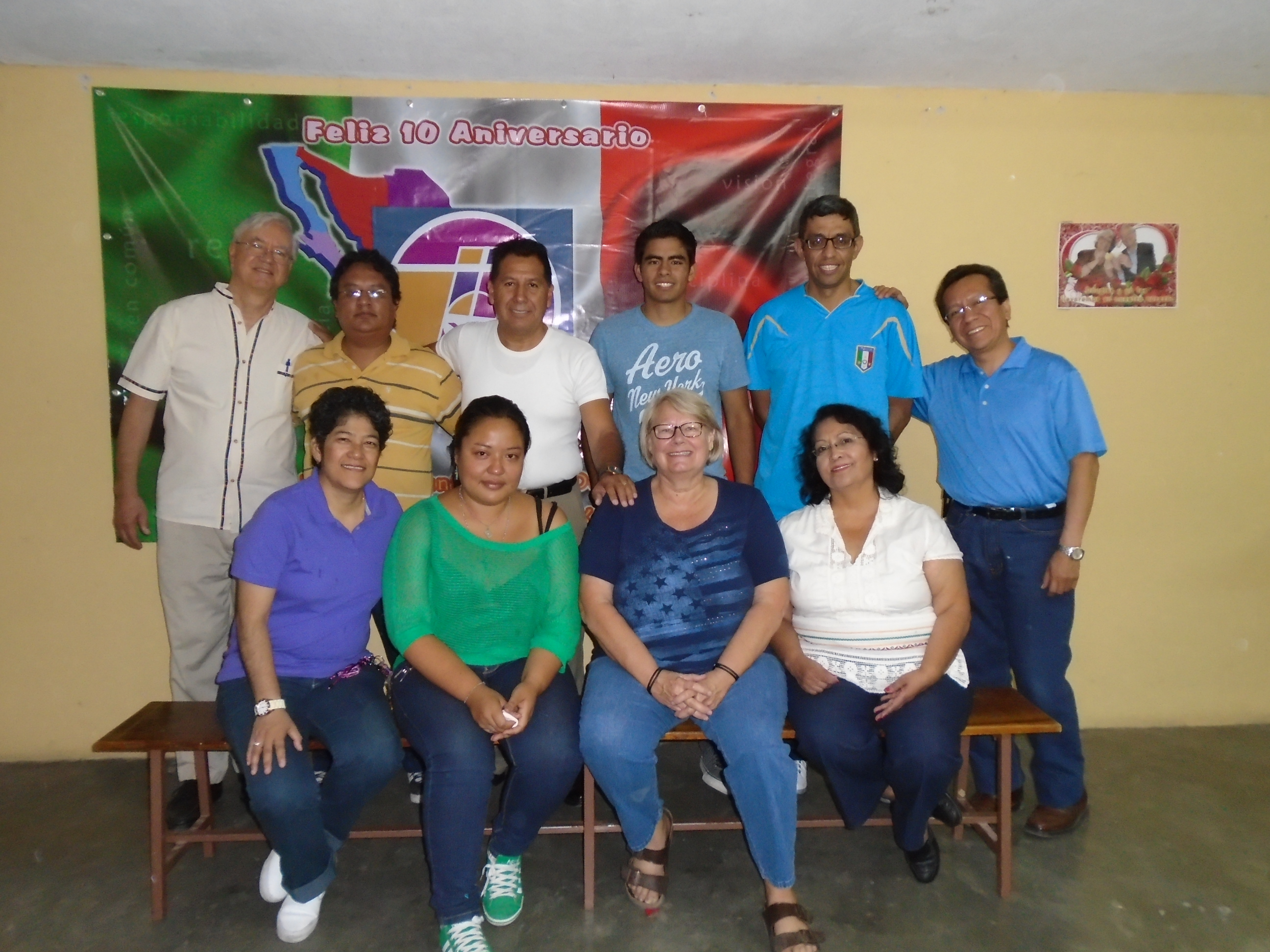
Doug and Kate, between Lisania and Yolanda, following their last meeting with the Mesa Conjunta / Al terminar su ultima reunión con la Mesa Conjunta Kate se encuentra entre Lisania y Yolanda con Doug atras
Dear Brothers and Sisters through Faith,
On our return to Pomona, California we write with hearts full of gratitude for the countless kindnesses and blessings bestowed on us during our nearly three years of service with you. Your remarkable practice of hospitality always bolstered us, never leaving us feeling insecure or vulnerable in the unfamiliar environment. We experienced a new kind of joy thanks to your loving welcome and continued care for us. That joy overflows as we consider the barriers that impede trusting relationships between the people of our two nations.
We rejoice that the love we share in the fellowship of faith leads us to reject any walls that have been built between us and with our combined efforts we will join in dismantling them. We rejoice that our differences in theology, worship practices, and interpretations of holy scripture never got in the way of our love and respect for one another. Our experience of the traditions of your faith journey encouraged us to explore the roots of our faith in new, meaningful ways. “How manifold are your works, O Lord!”
On our return we feel well prepared to dedicate ourselves to helping brothers and sisters on this side of the border experience the blessings of fellowship with you. And as we relocate to the Kansas City area, we look forward to welcoming you with the same warmth and affection we enjoyed in our stay with you in central México. We pray that the strengthening of our ties in the fellowship of faith will contribute to bringing about a more equal partnership free of the domination and exploitation that presently characterize many of the relationships of our peoples.
We want to single out among you the leaders of the Mesa Conjunta who invited us to serve in México; to Pastor Josué of the Confraternidad, to Pastor Manuel of the ICDC Disciples and to Pastor Domingo of the Congregational Churches we owe a special word of thanks. They organized and invited us to accompany them on visits to your congregations near and far. Certainly all members of the Mesa Conjunta contributed to the richness of our experience while in Mexico. Sister Yolanda Gutierrez accompanied us on a great many of our visits to over 50 churches, and her guidance and wisdom will always be appreciated. What a privilege to celebrate with you all the growth of your churches and your ministries during the last fifty years as members of self governing, autonomous, Mexican denominations.
We also felt privileged to witness the leadership transitions in the three denominations of the Mesa Conjunta. Pastor David of the Disciples Confraternidad, Pastor Leobardo of the ICDC Disciples and Pastor Danilo of the Congregational churches bring new gifts and new vision which promise to strengthen the ministries and the ties of your congregations. We pray that they and their families will be blessed by the call they have accepted as they bless you with their dedication to serve.
In closing we ask for your prayers for our ministry here while recalling the public prayers for us on our departure. Lastly, we urge your continued support for our colleague Pastor Lisania and the work of the Mesa Conjunta in organizing programs of training among you. We are confident that her work on your behalf will bear much fruit among the churches and your denominations as a whole. To God be the honor and the glory in the coming days and far into the future. Greetings of sincere gratitude and affection to you all.
************************* **************************
Queridos hermanos y hermanas en la fe,
A nuestro regreso a Pomona, California escribimos con los corazones llenos de agradecimiento por las innumerables bondades y bendiciones otorgadas a nosotros durante nuestros casi tres años de servicio con ustedes. Su notable práctica de hospitalidad siempre nos ha reforzado y nunca nos dejó sentir inseguros o vulnerables en el entorno desconocido. Experimentamos una nueva clase de regocijo gracias a su cariñosa bienvenida y cuidado fiel para nosotros. Ese regocijo se desborda ya que consideramos que son multiples las barreras que impiden relaciones de confianza entre los pueblos de nuestras dos naciones.
Nos regocijamos de que el amor que compartimos en la comunión de la fe nos lleva a rechazar las mayas que se han construido entre nosotros y con nuestros esfuerzos conjuntos se, algún día, desmantelarlas. Nos alegramos que nuestras diferencias en interpretaciones de las Sagradas Escrituras, teología y prácticas de adoración nunca nos estorbaron en el camino del amor y respeto entre nosotros. Nuestra experiencia de las tradiciones de su jornada de fe nos animaba a explorar las raíces de nuestra fe en formas nuevas y significativas. “Cuán innumerables son tus obras, oh Jehová!”
A nuestro regreso nos sentimos bien preparados para dedicarnos a ayudar a los hermanos y hermanas por este lado de la frontera que experimenten las bendiciones de la comunión contigo. Y una vez que nos estemos establecidos con nuestra mudanza a la zona de Kansas City, esperamos darle la bienvenida allá con la misma calidez y afecto que disfrutamos en nuestra estancia con ustedes en el centro de México. Oramos que el fortalecimiento de nuestros lazos en la comunión de fe contribuirá a lograr unas relaciónes entre los pueblos de las dos naciones más libres de la dominación y explotación que ya caracterizan el intercambio.
Queremos levantar entre ustedes a los nombres de los líderes anteriores de la Mesa Conjunta quienes nos invitaron a servir en México; a Pastor Josué de la Confraternidad de los Discipulos, a Pastor Manuel de los Discípulos ICDC y a Pastor Domingo de las Iglesias Congregacionales debemos una palabra especial de gracias. Nos invitaron a acompañarlos en visitas muy provechosas a sus fieles cercanas y esparcidas. Seguramente todos los miembros de la Mesa Conjunta contribuyeron a la riqueza de nuestra experiencia mientras en México. La hermana Yolanda Gutierrez nos acompañaba en muchas de las visitas a más de 50 iglesias, y su dirección y sabiduría siempre serán apreciadas. Qué privilegio de celebrar con todos ustedes el crecimiento de sus iglesias y de sus ministerios durante los cincuenta años pasados como miembros de unas denominaciones mexicanas autónomas.
También nos sentimos privilegiados ser presentes por las transiciones de liderazgo en las tres denominaciones de la Mesa Conjunta. Pastor David de los Discípulos de la Confraternidad, Pastor Leobardo de los Discípulos ICDC y Pastor Danilo de las Iglesias Congregacionales traen nuevos dones y nueva visión que prometen reforzar los ministerios y los lazos de sus fieles. Oramos que ellos y sus familias sean bendecidos por el llamamiento que han aceptado ya que les bendicen con su dedicación para servir.
En el cierre les pedimos sus oraciones por nuestro ministerio aquí recordando las oraciónes públicas en favor de nosotros con nuestra salida. Finalmente, imploramos su apoyo constante a nuestra colega Pastora Lisania y el trabajo de Mesa Conjunta en la organización de programas de capacitación entre ustedes. Estamos seguros que sus esfuerzos daran mucho fruto entre las iglesias y sus denominaciónes en conjunto. A Dios sea el honor y la gloria en los días próximos y por siempre. Saludos a todos con gratitud sincera y con cariño.
Summer 2015 Spanish Immersion of Rev. Jerri Handy

Maestra Lupita, Jerri Handy, Anna from the language school (Centro de Idiomas), Doug Smith
Rev. Jerri Handy is enjoying a two month stay in San Luis Potosí as a participant in the Program of Immersion in the Language, Culture and Church Life of Mexico. She tells about her experience in the article below and in the Picture Gallery posting which follows the article.
Summer 2015 San Luis Potosi Mexico
What a wonderful summer filled with many new experiences, new worship, new language, new food, new culture, and God and I have agreed… It is good!
I have been living in Central Mexico, the state of San Luis Potosi, and in an area near downtown San Luis Potosi. I came here to learn Spanish in an immersion experience as the final preparation for my assignment to work as a Global Ministries Long Term Volunteer with Albergue Las Memorias in Tijuana, Mexico.
Class work has been 4 days a week X 5 hours each class. I worked through 2 ½ workbooks, watched many movies, read some books of local legend, and counseling books. And I have had meaningful conversations with my teacher “Maestra” Lupita. The further into my study the less English she speaks. Centro de Idiomas is a wonderful place to learn. There are courses in French, Spanish, English and a few others too. The school is the Language Center of the larger San Luis Potosi University.
As for the immersion experience, I would not trade my experiences here for anything. I have been able to experience several different churches in the San Luis Potosi area from Iglesia CentralDiscplios de Cristo downtown to rural areas like Los Retes. It must be said, the welcome I have received here in central Mexico has been rich. I have enjoyed learning to sing, read the Bible, and to have meaningful conversations in Spanish.

Oh, he loves his Olaf cake!

Juan Jose sharing music at his Birthday party. He can sing!
I have had the opportunity to attend 2 different family birthday parties, so very different from one another; one a party for the husband of my Spanish teacher Lupita, the other for a 5-year-old boy from Los Retes. Each a memorable experience. I also attended a coronation ceremony for the Charro group that Maestra Lupita’s family and horses participate in. This was the ceremony where the women got their sombreros.
This past week I had the opportunity to attend the “Curso de Verano”, the Summer Session, held at CET—Centro de Estudios Teologicos. (As a side note: Global Ministries supports this week of learning for pastors and leaders who come together for study and fellowship.) I attended a class (4 hours a day x 5 days) for “aconsejeros”- people who provide informal counsel for those who need support. After 5 weeks of Spanish classes, I was happy with my ability to follow most of what was happening, even able to participate with Spanish in class and read with a good amount of understanding the course materials. I also really bonded with a group of young women and will be forever grateful for their assistance in refining my conjugation of the few verbs I know. They are beautiful women of God and full of life. Thank you, Rosana, Maria, Diana, Evangelina and Ruth.

Rosana, Ruth, Jerri Handy, Evangeline, Diana and Maria.
This final week here in San Luis Potosi Revs. Doug Smith and Kate Moyer will be returning to the United States after 3 years of service here in Central Mexico. It has been such a blessing for me to have met them here. It is also wonderful to have the opportunity to be present at the many goodbyes held for them. It was through Doug that I learned of the Immersion Experience here in San Luis Potosí. Even though Doug and Kate will have returned to the USA the opportunity to learn or brush up on your Spanish, remains. I encourage you to consider this opportunity to come discover central Mexico and her warm hospitality.
**************** ****************
Traducción al español de Douglas Smith
La Revda. Jerri Handy disfruta de una estancia de dos meses en San Luis Potosí como un participante en el Programa de Inmersión en la Lengua, Cultura y Vida de la Iglesia de México. Cuenta sobre su experiencia en el artículo abajo y en la Exhibición de Photos que sigue el artículo.
Verano 2015 de Revda. Jerri Handy en San Luis Potosí, México
¡Qué tan maravilloso verano que se llena de muchas nuevas experiencias, nueva alabanza, nuevo idioma, nueva comida, nueva cultura, y Dios y yo hemos concordado … está bien!
He estado viviendo en México Central, el estado de San Luis Potosí, y en un área cerca del centro de la cuidad San Luis Potosí. Vine acá para aprender español en una experiencia de inmersión como la preparación final para mi asignación para trabajar como un Voluntario del Largo Plazo de Ministerios Globales con Albergue Las Memorias en Tijuana, México.
Mis clases de español toman lugar cuatro días por semana y duran por cinco horas cada dia. He llenado dos y medio cuadernos , mirado muchas películas, leido algunos libros de leyendas y cuentas locales y también libros de consejeria. Y he tenido conversaciones significativas con mi profesora “Maestra” Lupita. Lo mas que avanzo yo en mi estudios el menos inglés ella habla. El Centro de Idiomas es un maravilloso lugar para aprender. Hay cursos en francés, español, inglés y algunos otros también. La escuela es el Centro de Idiomas de la Universidad mas grande de San Luis Potosí.
En cuanto a la experiencia de la inmersión, no cambiaría mis experiencias aquí por nada. He podido de experimentar varias iglesias diferentes en el área de San Luis Potosí del centro de la cuidad como la Iglesia Centrale de los Discpulos hasta las zonas rurales como en la Iglesia de Los Retes. Se debe decir, la bienvenida que he recibido aquí en México central ha sido rica. He disfrutado de aprender a cantar, leer la Biblia, y tener conversaciones significativas en español.
He tenido la oportunidad de asistir a 2 fiestas de cumpleaños de dos familias diferentes, fiestas tan diferentes la una de la otra: una fiesta para el marido de mi profesora española Lupita, otra para un muchacho de 5 años de Los Retes. Cada una una experiencia memorable. También asistí a una ceremonia de coronación para el equipo de Charros en el cual la familia de la Maestra Lupita y sus caballos participan. Esta era la ceremonia cuando se los regalaron a las mujeres de la charreada sus sombreros.
La semana pasada tenía la oportunidad de asistir al “Curso de Verano”, la Sesión de Verano, que tuvo lugar en el CET — Centro de Estudios Teologicos en donde vivo. (Como una nota del lado: la oficina de Ministerios Globales apoya esta semana del aprendizaje para pastores y líderes que vienen juntos para estudio y compañerismo.) Asistí a una clase (4 horas por día x 5 días) para “aconsejeros” – la gente que provee al consejo informal de aquellos que necesitan ayuda en tiempo de crisis. Después de 5 semanas de clases en español, estaba yo muy contenta con mi capacidad de seguir la mayor parte de lo que pasaba, hasta capaz de participar con español en la clase y leer con buen entendimiento los materiales del curso. También establecí fuertes enlaces con un grupo de mujeres jóvenes y estaré para siempre agradecida por su ayuda en la refinación de mi conjugación de los unos pocos verbos que conozco. Son mujeres bellas de Dios y llenas de mucho animo por la vida. Gracias, Rosana, Maria, Diana, Evangelina y Ruth
Esta semana finale aquí en San Luis Potosí Revs. Doug Smith y Kate Moyer volverán a los Estados Unidos después de 3 años del servicio acá en México Central. Ha sido tal bendición para mí haberlos conocido aquí. También es maravilloso tener la oportunidad de estar presente en muchos despedidos organizados para ellos. Fue a través de Doug que aprendí de la experiencia de la Inmersión aquí en San Luis Potosí. Aunque Doug y Kate devuelvan a los EE. UU la oportunidad de aprender o mejorar en su español permanece. Les urgo a aprovechar de esta oportunidad de venir descubrir a México central y su hospitalidad calurosa.
Photo gallery for Jerri Handy

Barbacoa, meat falls off the bone after cooking for just over 24 hours/Barbacoa de borrego que se cae facilmente del hueso despues de 24 horas bajo del suelo

José and family participate in the great music at Los Retes / Participa José y su familia en la musica conmovedora de la Iglesia Discipulos a Los Retes

Julián Carrillo Church in San Luis Potosí

Baptistry at Iglesia Centrale in San Luis Potosí/ Bautistero de la Iglesia Centrale
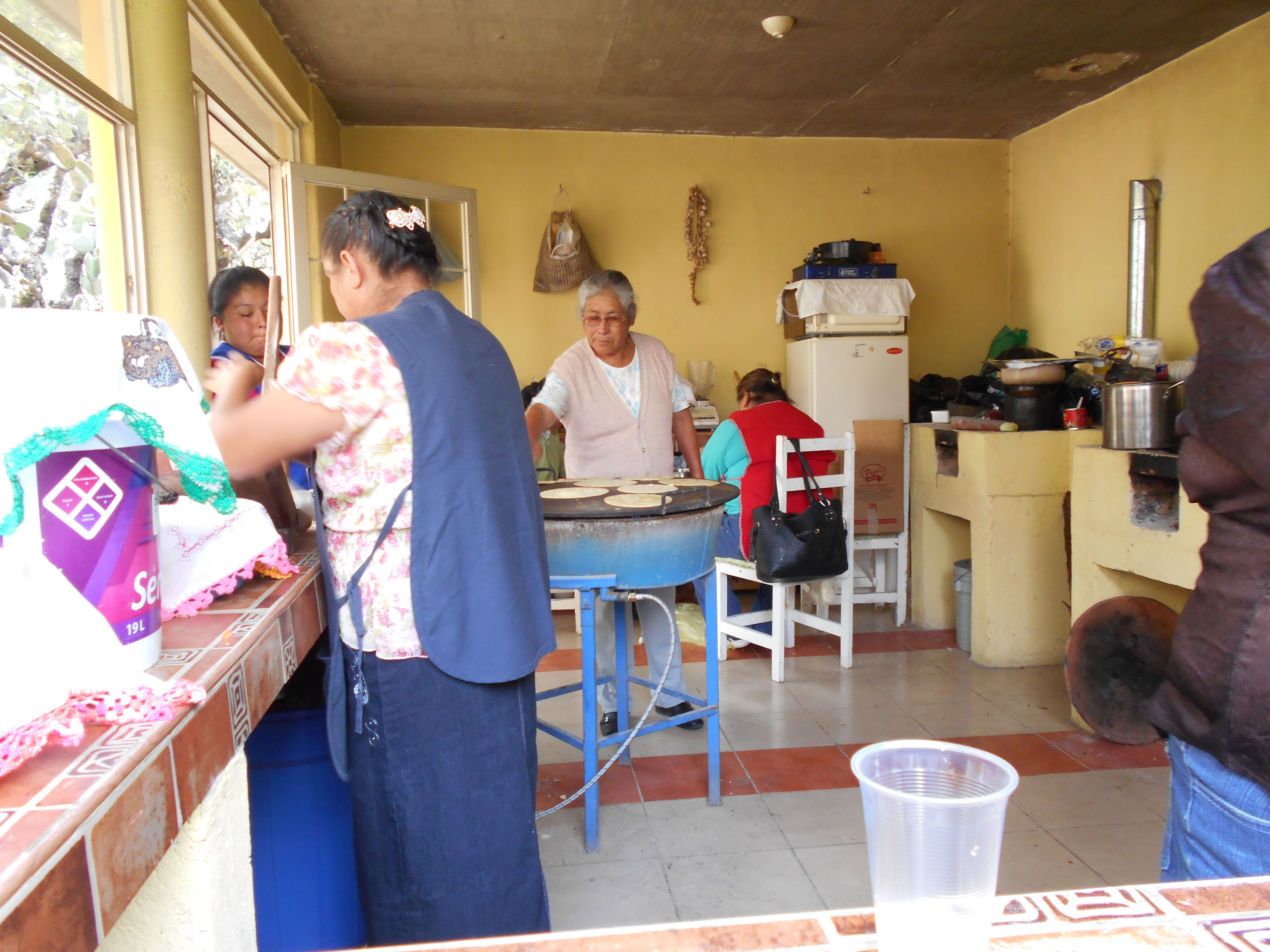
Making the best tortillas in the world is a big process/ Preparando las mejores tortillas en el mundo requiere un proceso largo

All hands on Deck for tortillias/Todas se ponen a trabajar las tortillas


very large pot of mole for/ olla grande de mole
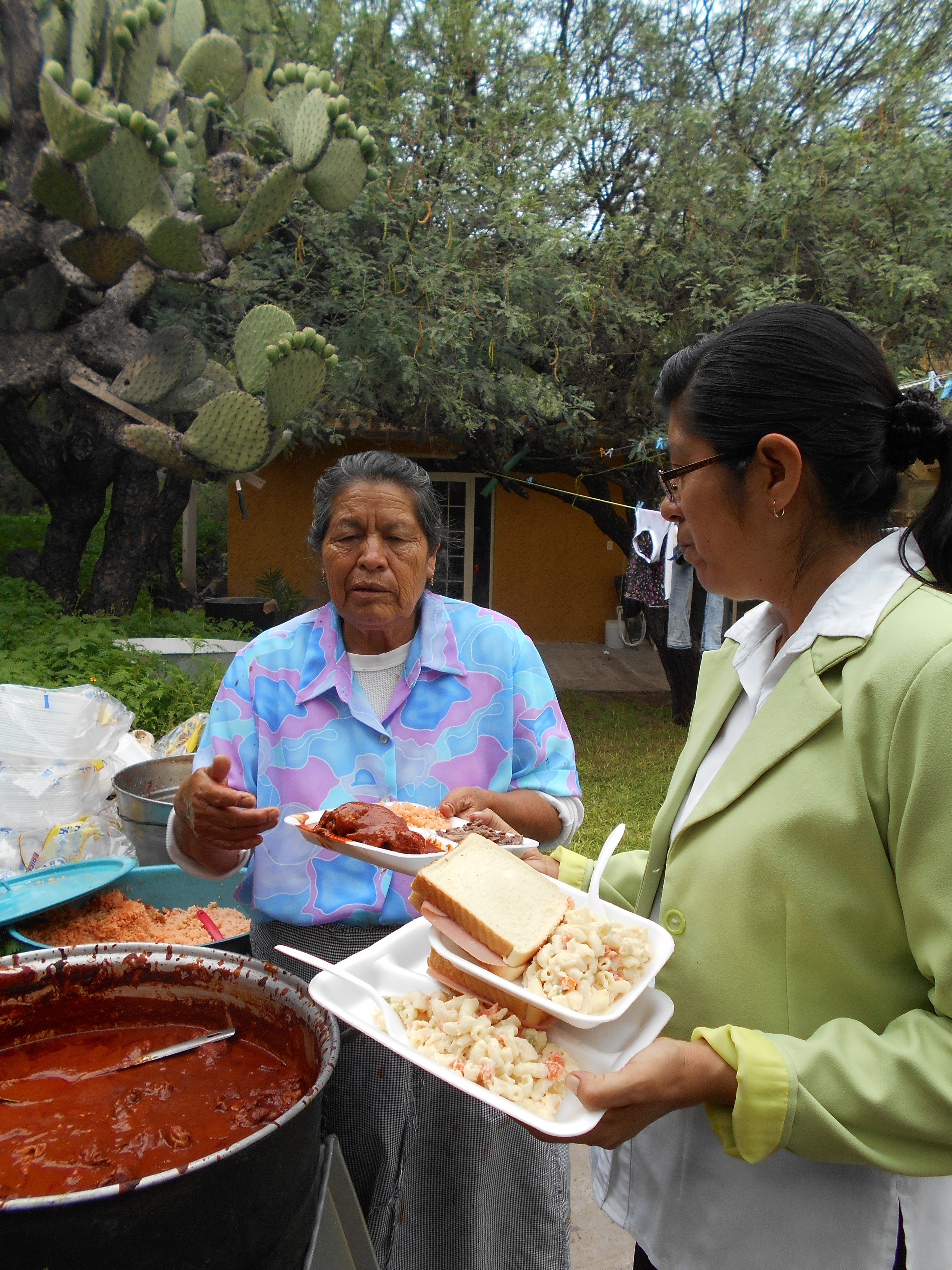
mother and daughter plating the food at Los Retes birthday party for 5 year old/ sirven mamá y su hija a los quienes asisten al cumpleaños del muchacho de 5 años

love this face/ me encanta el rostro

just talking/ platicando nada más
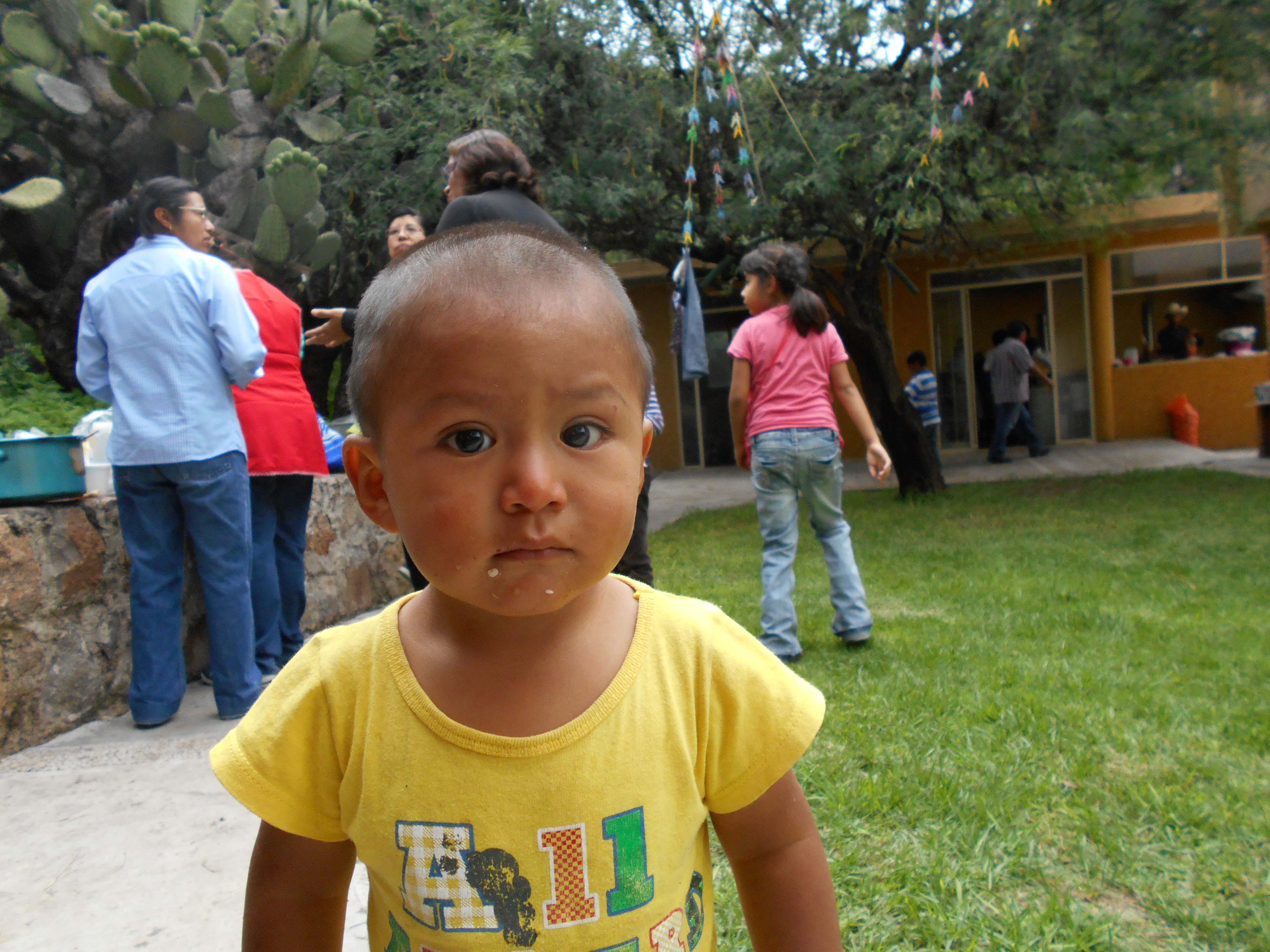
look at me/ mireme
oh he loves his Olaf cake/ le gusta mucho su pastel de Olaf
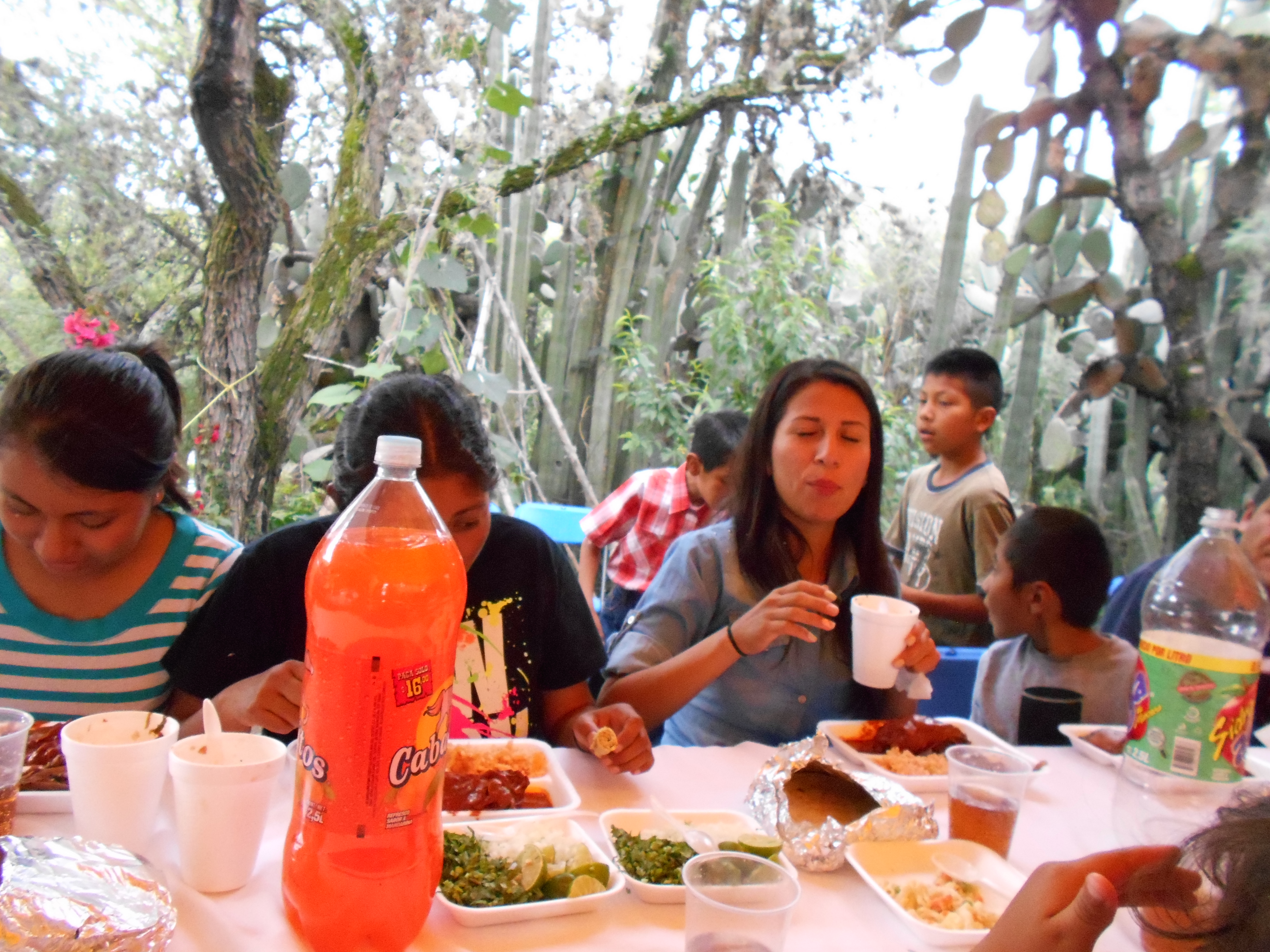
dinner is served/ se sirve la comida
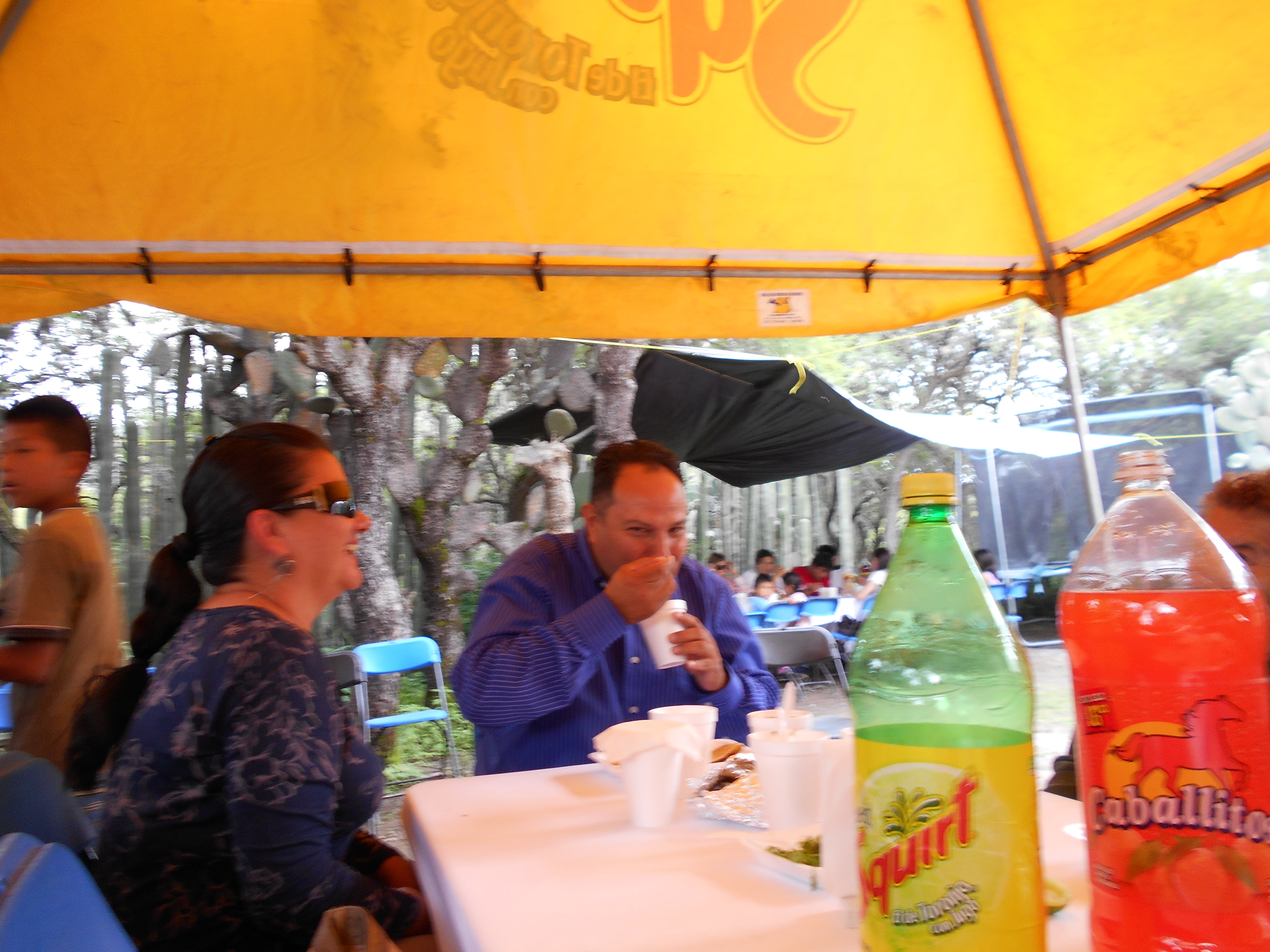
Claudia and her husband, new friends/ nuevos amigos Claudia y su esposo

lots of talking going on/ mucha platica

shucking corn / pelando mazicas
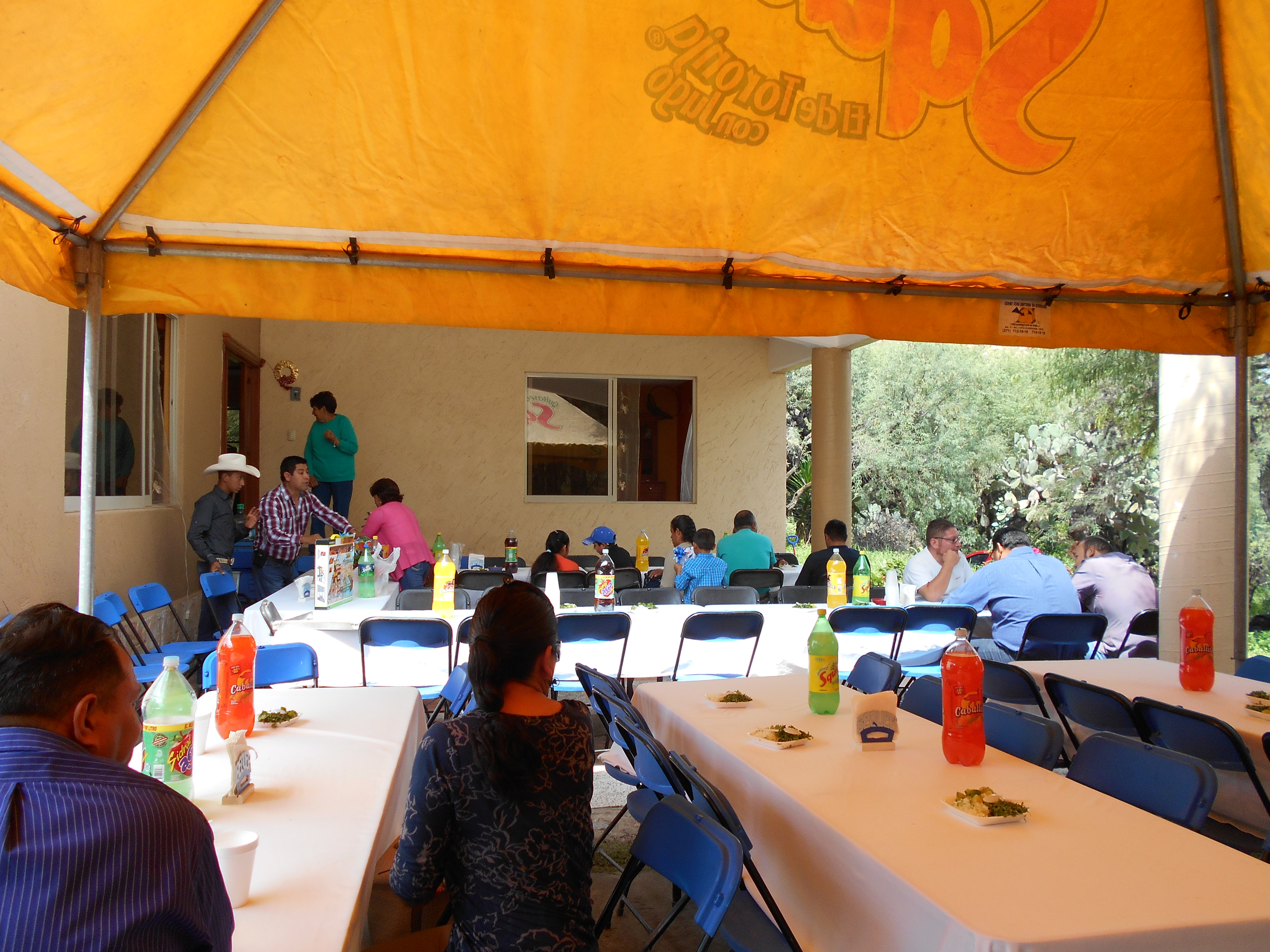
tents are up for the party / unas tiendas de campaña para la fiesta
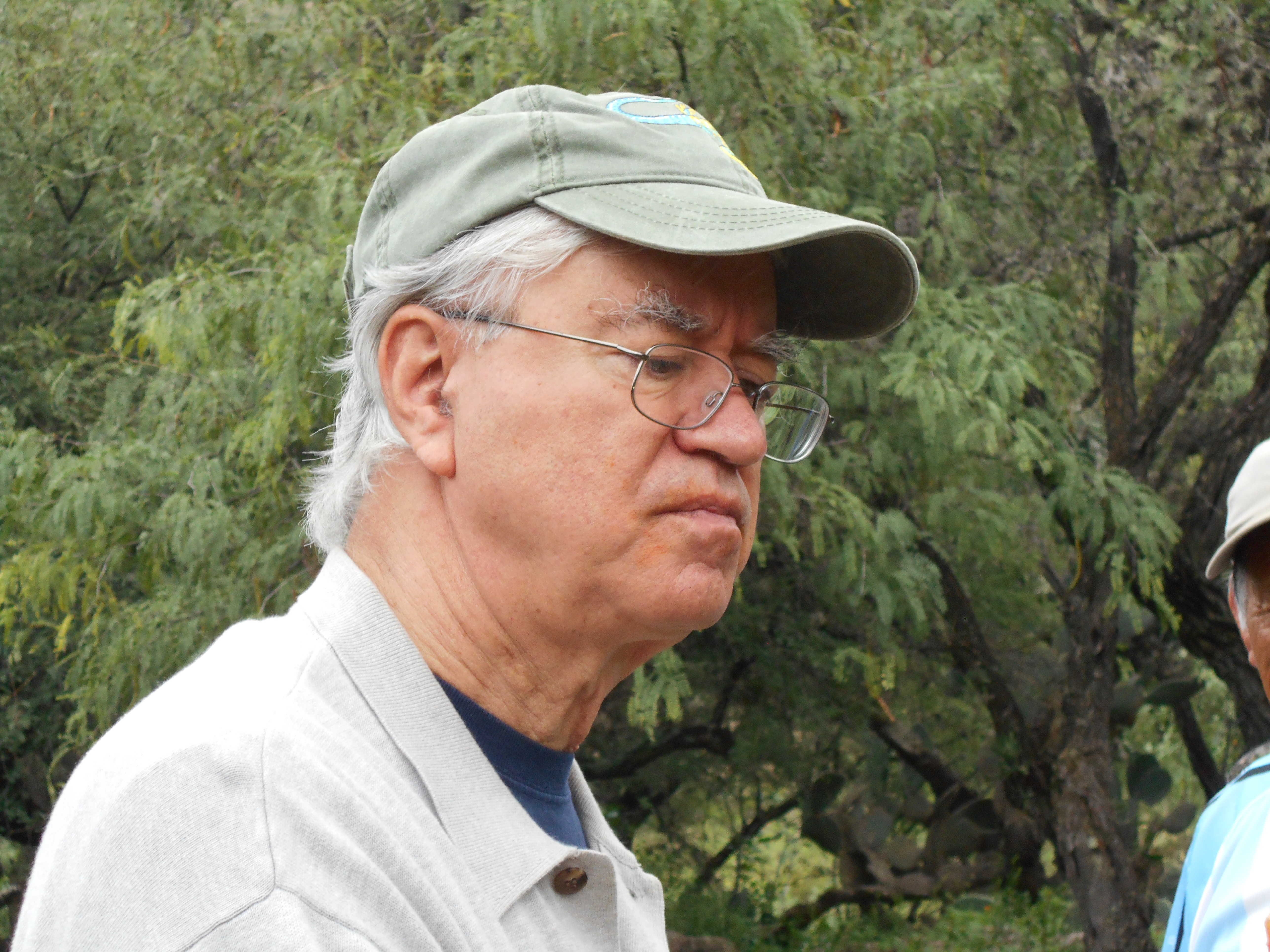
Doug Smith

Reberto and Anahi braiding the mane at my teacher Lupita’s corral

Mama and her colt / Mamá y su potro

Paloma talking to me / Me habla Paloma
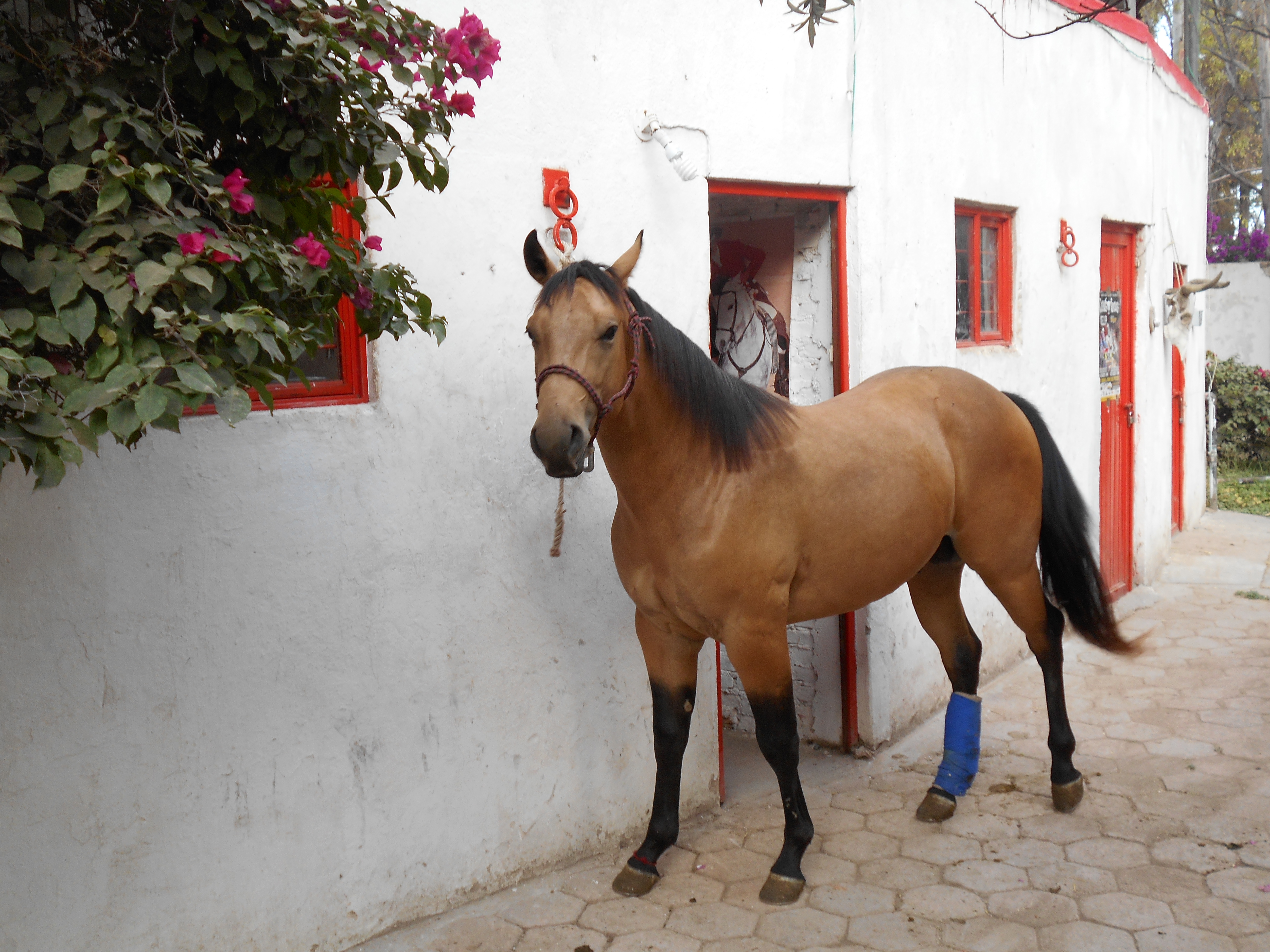
Newest addition to the horses at Caballo Bayo corral / Nuevo caballo en el corral Caballo Bayo
Lupita’s husband Juan Jose sharing music at his Birthday party. He can sing! / Canta muy linda Juan José el esposo de Lupita durante su fiesta de cumpleaños

Kicking back with his Guitar

Juan Jose has his favorite cake–Chocolate on the bottom and Flan on the top / El pastel favorito de Juan Jose – abajo el chocolate y flan arriba

Me saying hello to Veracruz / Saludando a Veracruz
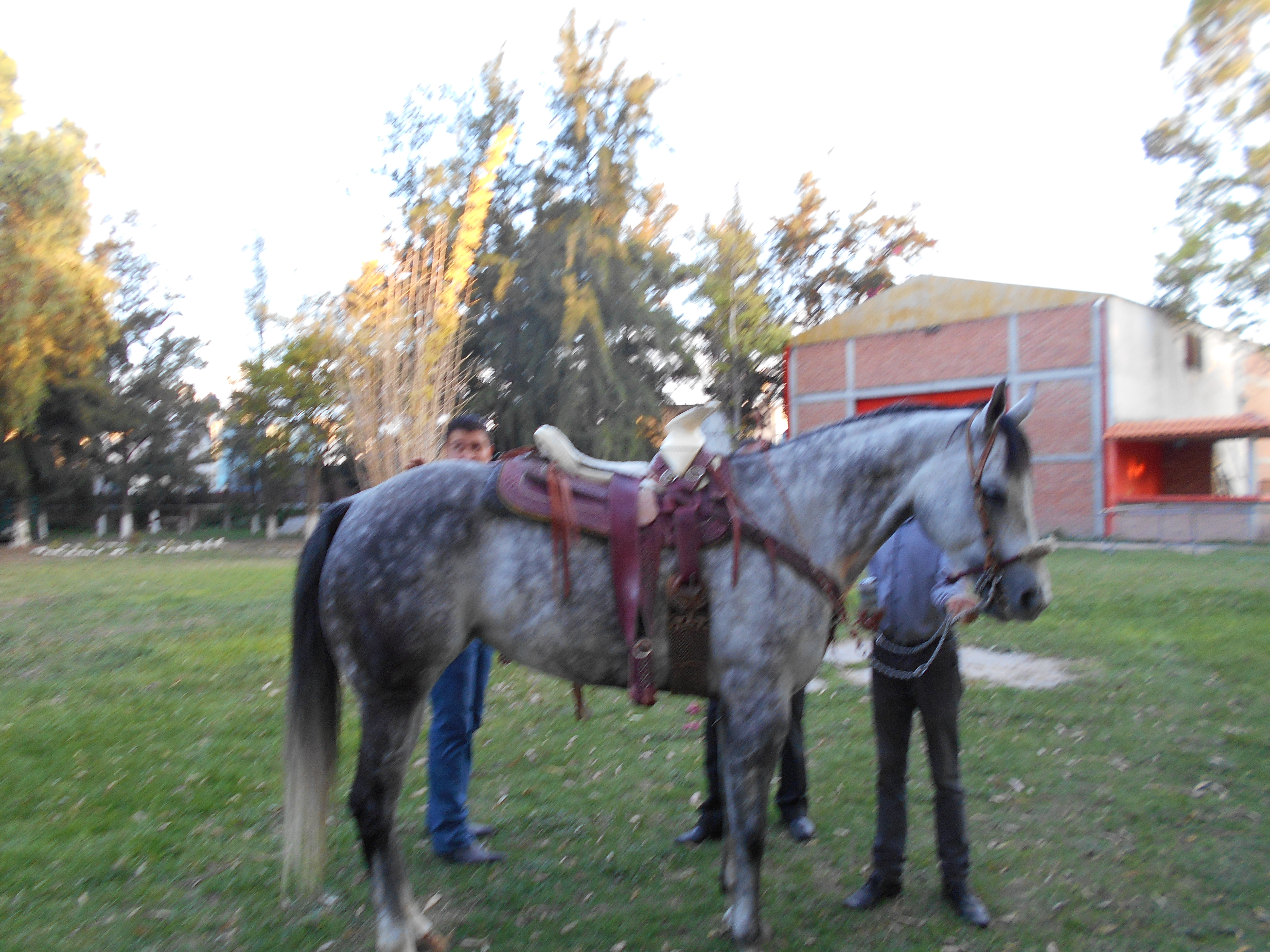
Paloma ready to take Juan Jose’s work buddies for a ride./ Paloma se prepara para que monten los compañeros del trabajo de Juan José

Social hall and education wing at Iglesia Peniel in Maravillas / Comedor y aula de educación a la Iglesia Peniel en Maravillas

Handicap accessible new sanctuary at Maravillas church

Peniel front of church

Inter-generational activity celebrating Fathers Day in Los Retes Disciples church

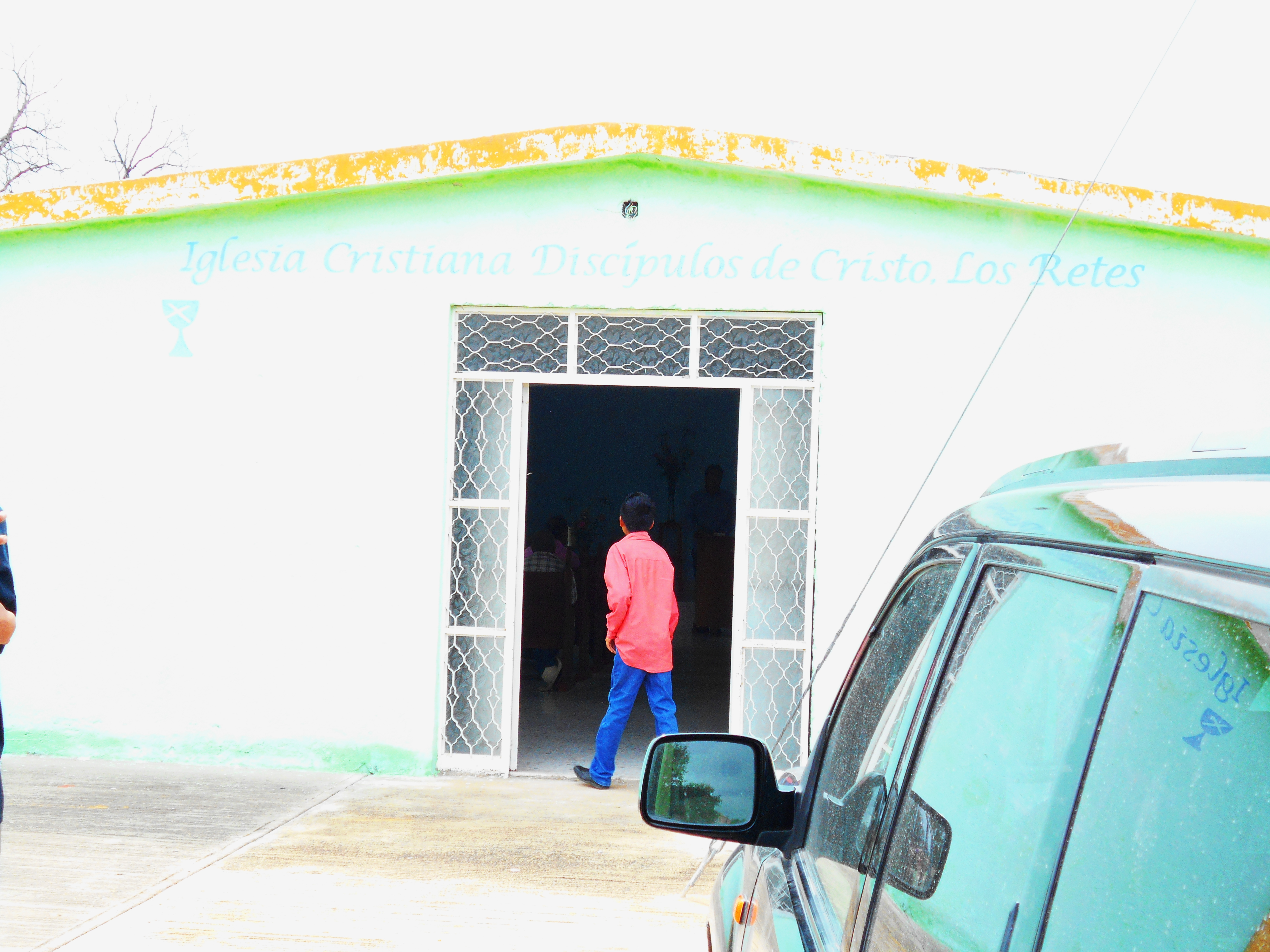
Front entrance into the Disciples church at Los Retes
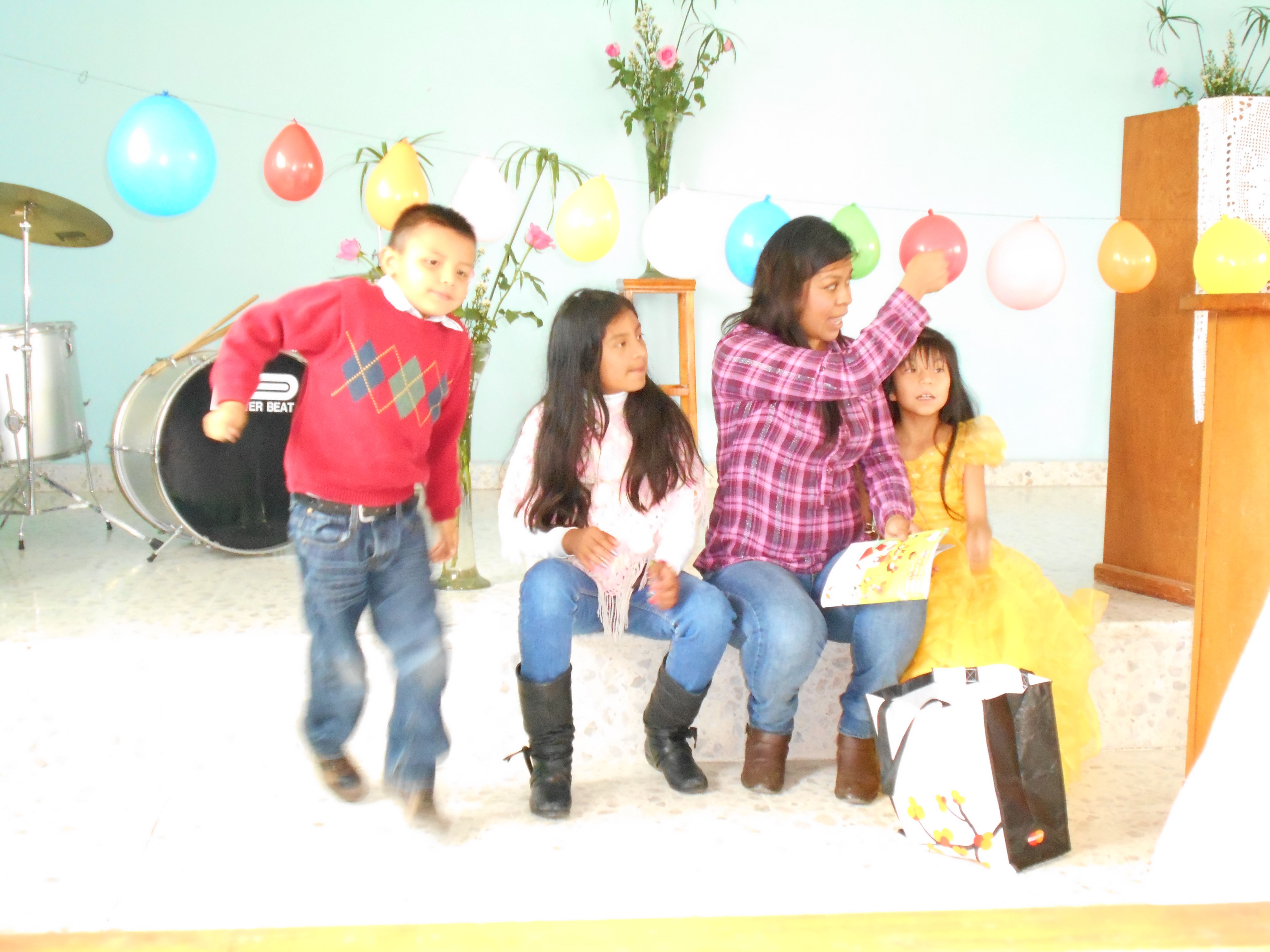
Children’s moment–Los Retes
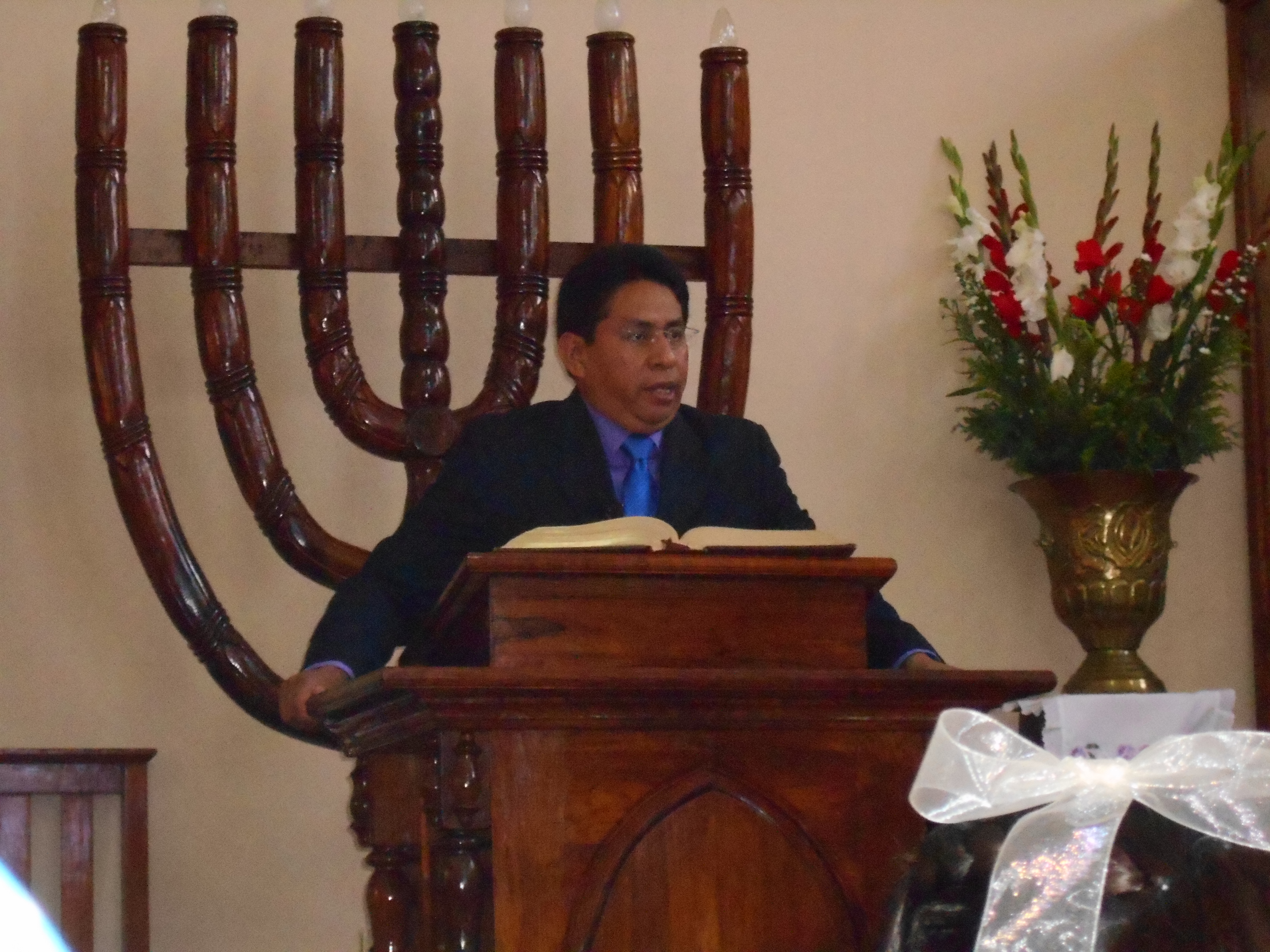
Pastor Rogelio Espino Flores in Julián Carrillo pulpit
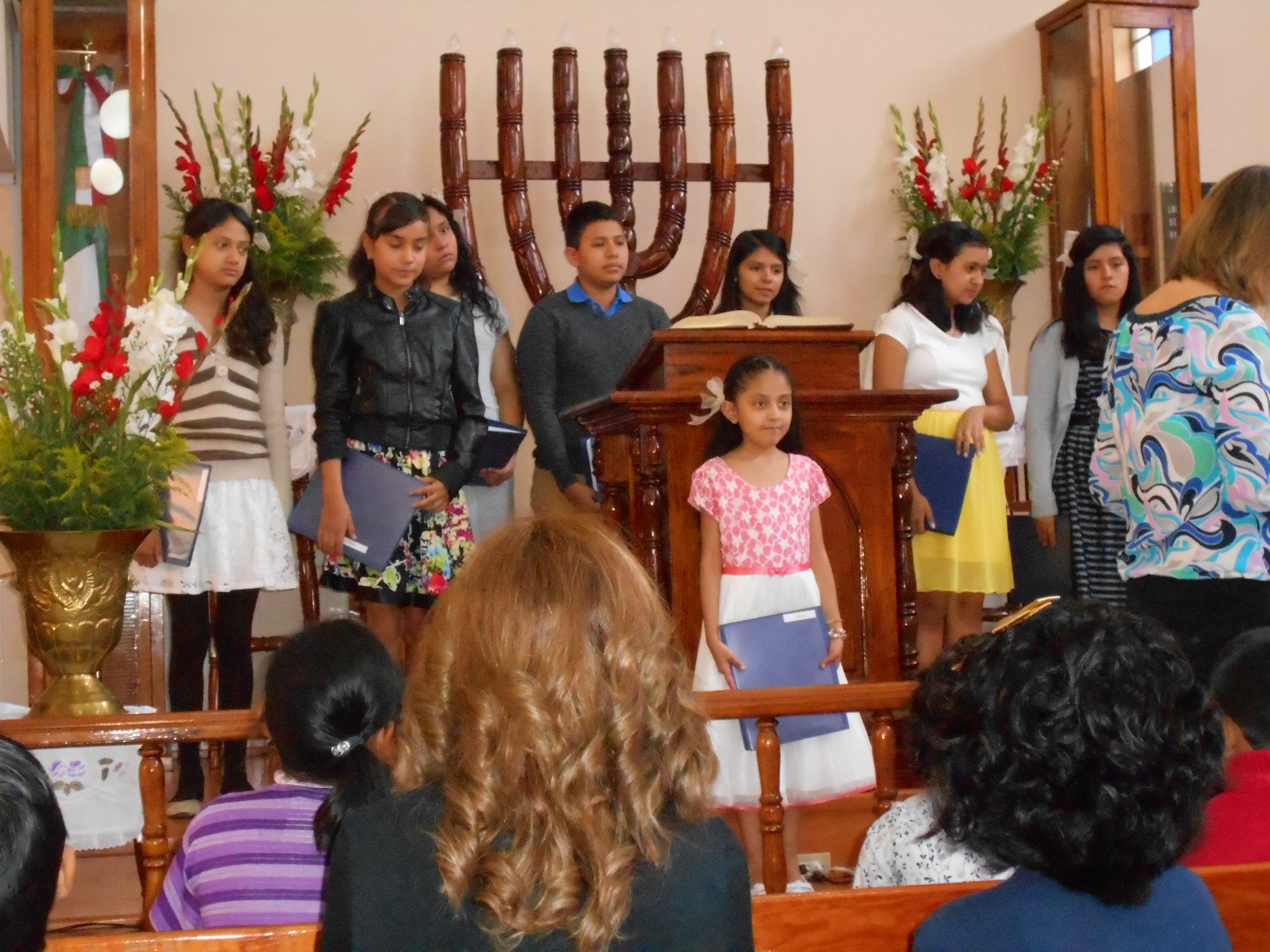
Youth choir from Julian Carrillo

Prayer for departing Missionaries Doug Smith, Kate Moyer and Jerri Handy / Una oración en favor de los misioneros Doug y Kate y Jerri

Stained Glass on back wall of sanctuary

Sanctuary of Iglesia Central
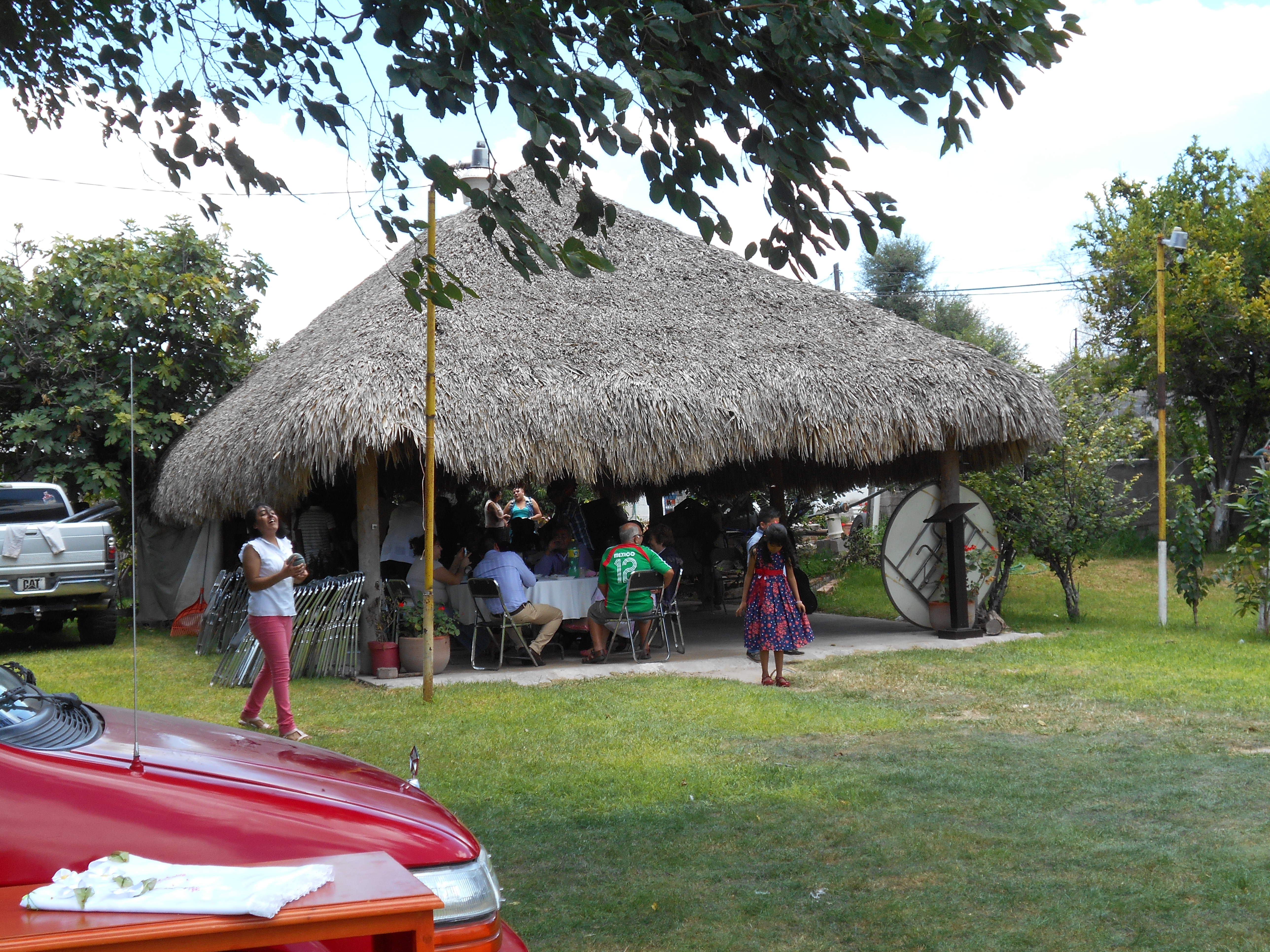
In this Palapa, we held the 7th Anniversary for Iglesia Adulam/ En esta palapa celebramos el septimo aniversario de la Iglesia Adulam

Elida, Jerri, Kate, Doug, Pastor Jairo Florez, Alejandrina outside Iglesia Adulam
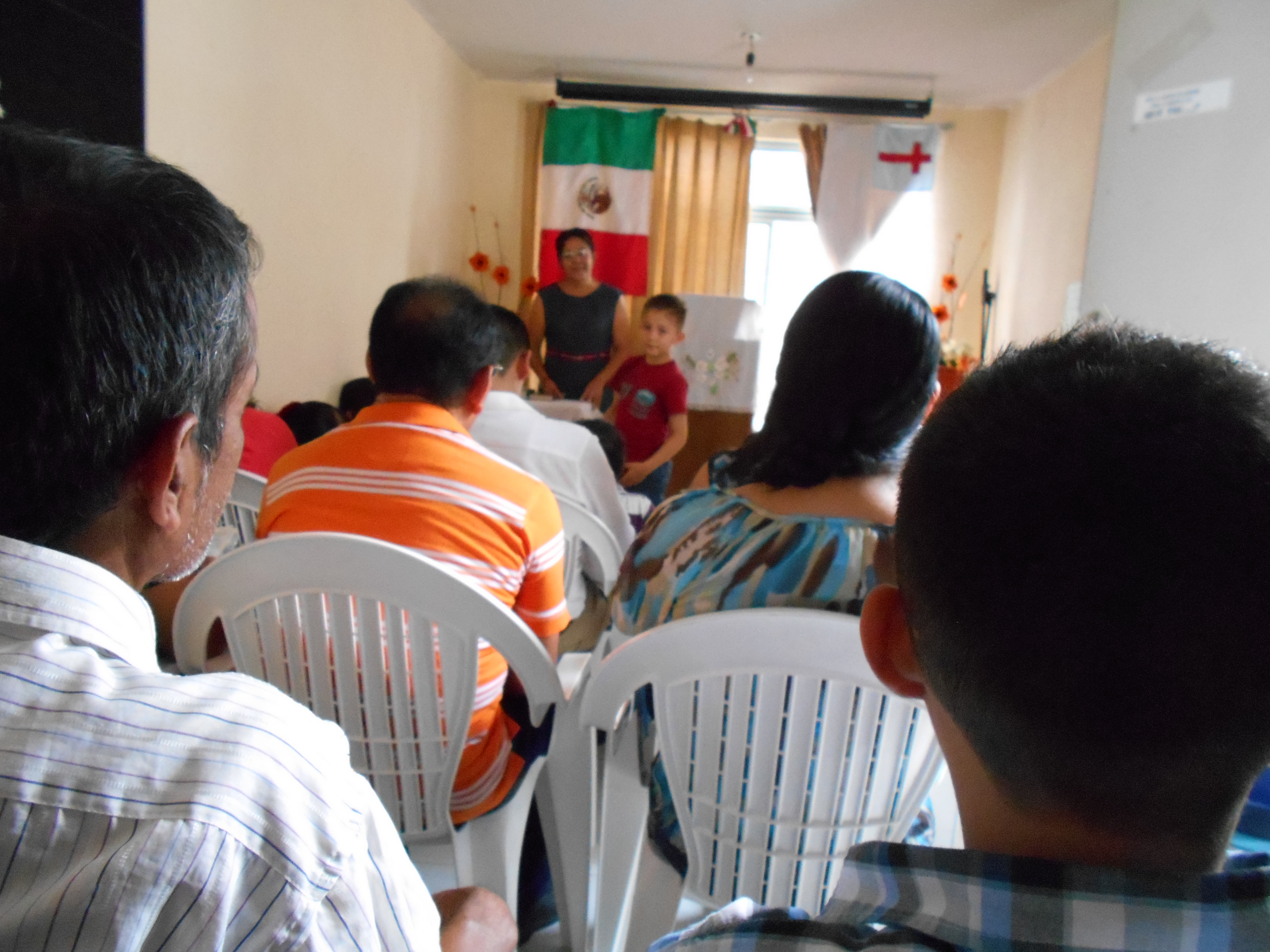
People packed in for home worship at Iglesia Adulam / Alaban los congregantes de la Iglesia Adulam apretados en una casa
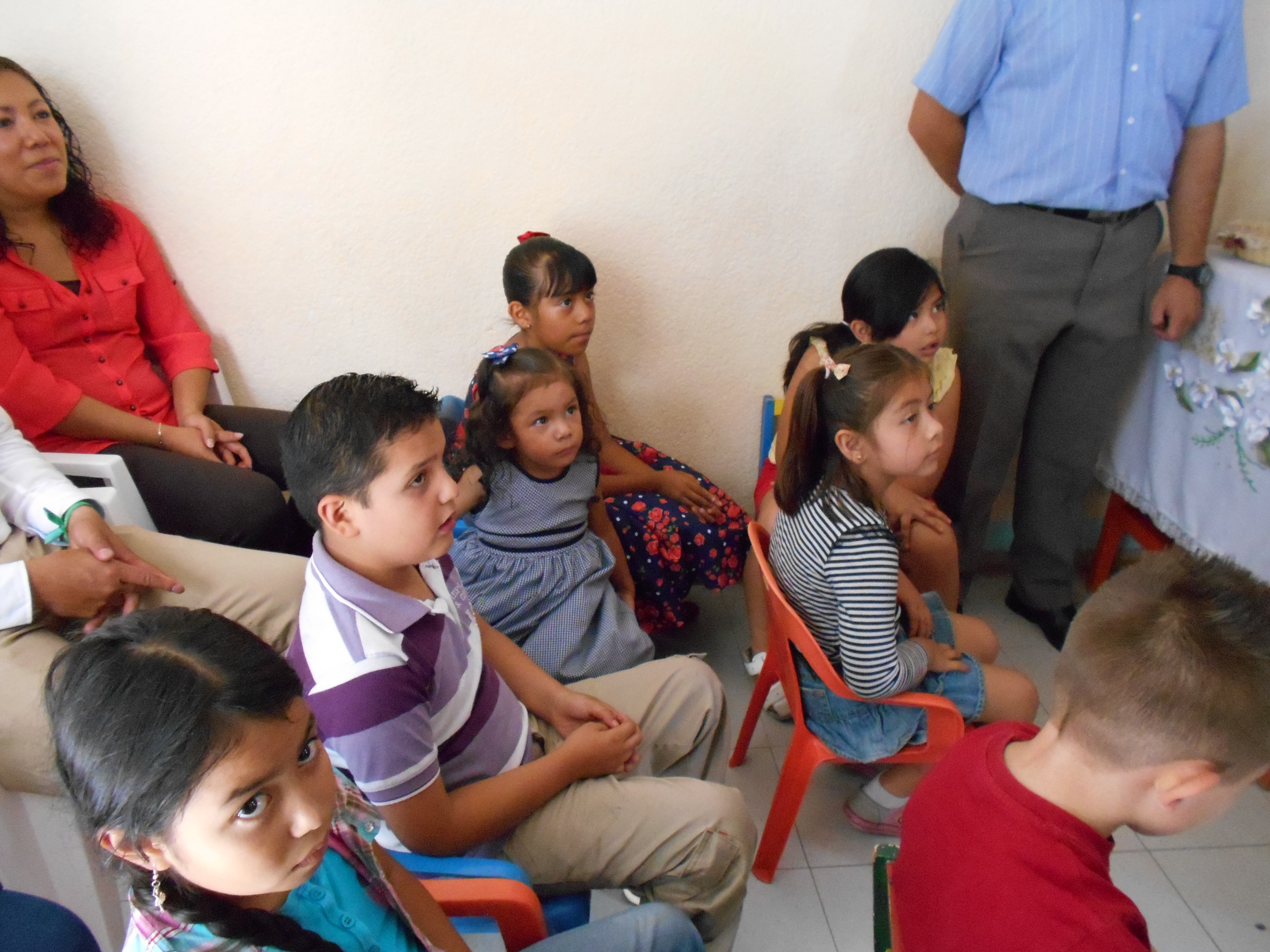
Children sit in front and participate in worship

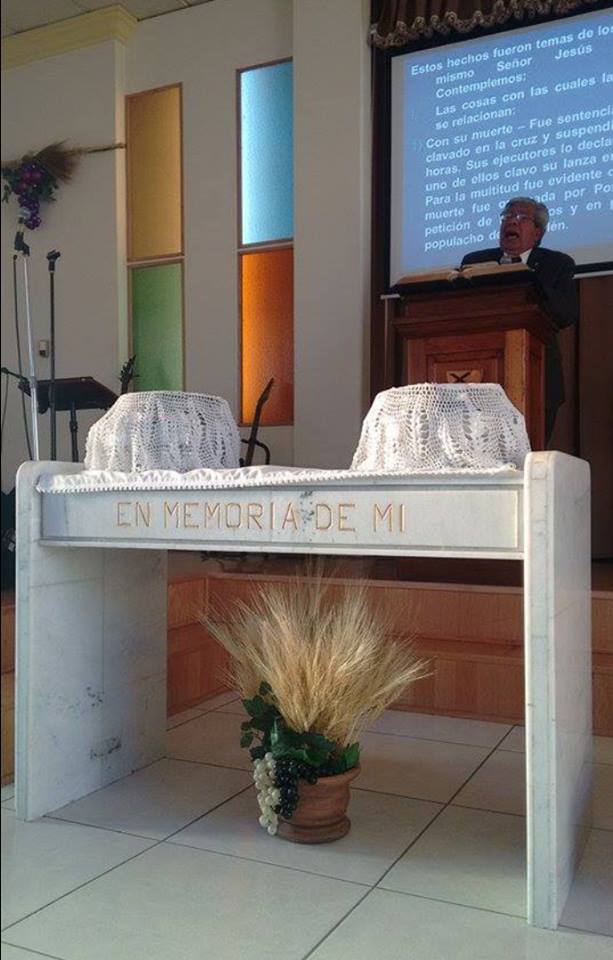
Communion, familiar ritual in a new land / La Santa Cena es rito familiar en una nueva tierra para mi
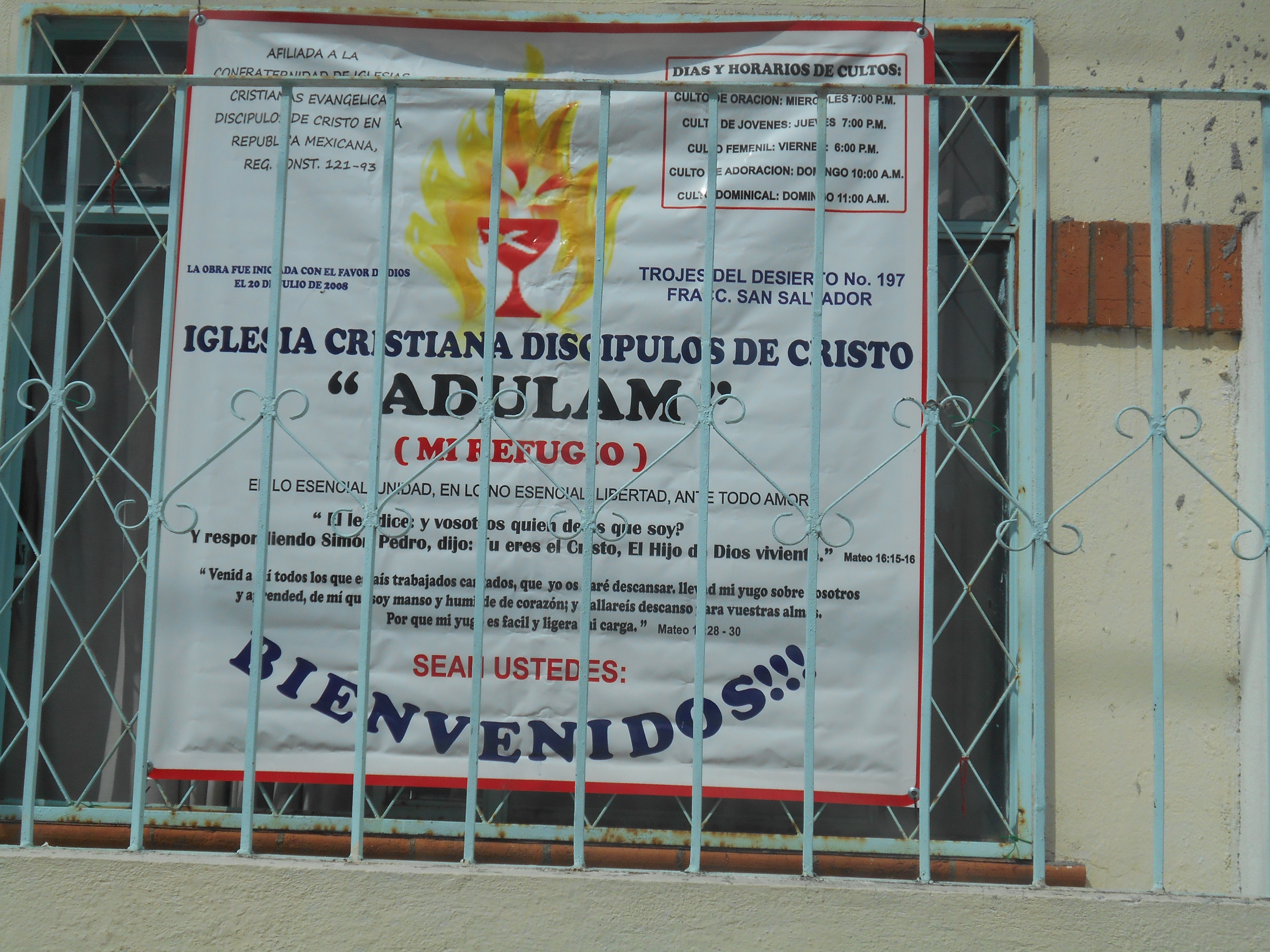
New church- now 7 years old Iglesia Adulam (see 1 Samuel 22) / Nueva iglesia lleva 7 años
Wrapping Up / “En Resumen”

The Lord’s Supper during closing worship of Disciples (CICE) Assembly May 2015/ La Santa Cena en el culto de clausura de la Asamblea de los Discipulos (CICE) en mayo 2015
As writers of a blog “dedicated to a world without borders”, we were drawn to a Jim Wallis essay on “Loving Our Neighbors on a Global Scale” in the March 2014 issue of Sojourners (http://digital.sojo.net/h/i/5281465-march-2014). He noted there “We are all neighbors now whether we like it or not” and suggests that “loving our neighbors as ourselves” begins with listening. In our nearly three years of serving with the Disciples and Congregational Churches of Mexico, we can testify that all our senses have been called on in loving our neighbors here.
We’ve seen the previously shy, stony faces of Huasteca Indian women glow with smiles, hugs and tears as they sent off the members of a U.S. Woman to Woman delegation. We’ve mourned, celebrated with and embraced a community of faith that rebounded from loss of their sanctuary to pull together and rebuild it in less than two years. And nearly every Sunday in worship, we hear at least one of several personal testimonies that will move us as a declaration of faith in God’s reign amidst the struggles of a family for health, financial stability or reconciliation.

Huasteca Indian women front row with U.S. Woman to Woman delegation in San Luis Potosi/ Se despiden mujeres de la Huasteca al frente con las miembras de la delegación Mujer a Mujer estadounidense en el CET San Luis Potosi
Early in our term of service, we were struck by how our experience resembles that of the three kings. Leaving our home behind, we journeyed in hopes of delivering our gifts where we would seek Jesus Christ alive, born among the people and in the work of the Church in Mexico. And so it has been. Like the three kings, we can now rejoice in having glimpsed how Jesus reigns in a variety of ways and places, some quite unexpected, among our neighbors in Mexico.
We depart in a few weeks with thanksgiving for the love that has been gifted to us during our stay. Everywhere we’ve visited, the church has welcomed us warmly, enthusiastically and with love. Being greeted in this way by people we’d never met before, our joy was made greater by the knowledge that it was not because of anything we’ve done or who we are as persons that accounts for the “abrazos”, the embraces. We know that we are seen as another in the long line of UCC/Disciple missionaries from the States, come to share the Gospel message of God’s love for all the creation. And that makes for feeling a
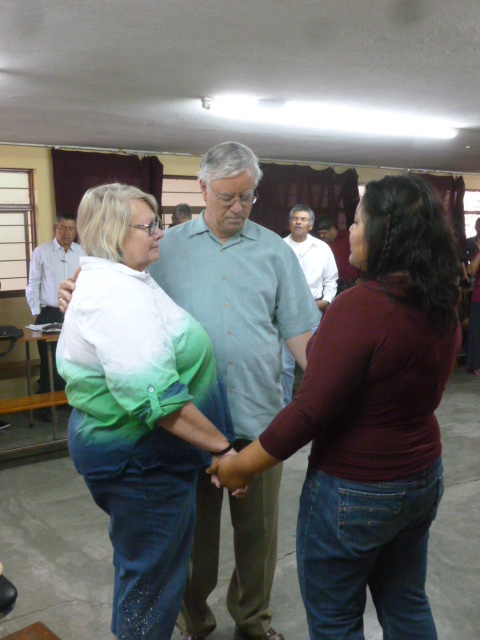
Lisania Sustaita Martinez leads prayer after we share plans for departure with the Asamblea/ Lisania ora despues del anuncio de nuestra partida hacia EE UU
“joy and a privilege” like no other.
Names are challenging here. Most men and women have four names on their legal documents, always including mother’s as well as father’s name. And then there are the nicknames for nearly everyone. But within the Disciples and Congregational Churches, you soon grow accustomed to using “hermano” and “hermana” with all the adults. As a consequence, calling most people “brother” or “sister” takes precedence over calling them by their real name, even when you know it. It’s another way of “loving your neighbor” whether you’ve known them for many years or just met them. It’s another way of “loving your neighbor” whether they live in the same village or hail from the country on the other side of the border.
We were pleased at the outset of our journey to be assigned to Mexico, so close to our family in the United States. On the verge of departing now, we leave grateful that wherever we live in the U.S. we won’t be far from our family in Mexico.
********************** *******************
Como responsables de un blog “dedicado a un mundo sin fronteras”, fuimos atraídos a un ensayo de Jim Wallis sobre “Amando al Prójimo en Una Escala Globale” en el número de marzo de 2014 de Sojourners (http://digital .sojo.net/h/i/5281465-march-2014) . Notamos allí “Somos todos el prójimo ahora si nos gusta eso o no” y sugiere Wallis que “amando al prójimo global como amamos a nosotros mismos” comienza con la escucha. En nuestros casi tres años de servir con los Discípulos e Iglesias Congregacionales de México, podemos declarar que todos nuestros sentidos han sido empleados en amando al prójimo aquí.
Hemos visto las caras anteriormente tímidas, pedregosas de mujeres indígenas de la Huasteca se resplandecen con sonrisas, abrazos y lágrimas cuando se despedieron con las miembros de una delegación Mujer a Muyer estadounidense. Nos sentimos afligido y después hemos celebrado con una comunidad de fe que rebotó de la pérdida de su santuario para juntarse y reconstruirlo en menos de dos años. Y casi cada domingo en el culto, oímos al menos un testimonio personal que nos moverán como una declaración de fe en el reino de Dios dentro de las luchas de una familia para la salud, la estabilidad financiera o la reconciliación.
Temprano en nuestro período de servicio, nos sorprendió cómo nuestra experiencia se asemeja a la de los tres reyes. Dejando nuestra hogar atras, viajamos con la esperanza de entregar nuestros regalos donde encontraríamos con el Cristo vivo, nacido entre la gente y reflejado en la vida de las iglesias aqui. Y asi ha sido. Como los tres reyes, podemos regocijar ahora de haber vislumbrado el reino de Dios en una variedad de formas y lugares algunas tan imprevistas entre nuestro prójimo en México
Regresamos a EE UU en unas semanas con acción de gracias por el amor que ha sido dotado a nosotros durante nuestra estancia. En todas partes hemos visitado, la iglesia nos ha dado la bienvenida cariñosamente, con entusiasmo y con el amor. Ser saludado de esta manera por la gente que nunca habíamos encontrado antes, nuestra alegría fue hecho mayor por el conocimiento que era no debido a algo que hayamos hecho o a quién somos como personas lo que explica el los abrazos. Sabemos que somos vistos como unos demas en la larga cola de misioneros de los Discipulos o la UCC en EE UU, venidos para compartir el mensaje del Evangelio del amor de Dios por toda la creación. Y esto nos hace sentir una alegría y un privilegio no como ningún otro.
Los nombres son difíciles para nosotros aquí. La mayor parte de hombres y mujeres tienen cuatro nombres en sus documentos legales, siempre incluso el nombre de la madre así como padre. Y luego hay apodos para casi cada uno. Pero dentro de los Discípulos e Iglesias Congregaciónales, pronto se acostumbra uno a utilizar “hermano” y “hermana” con todos los adultos. Como una consecuencia, llamando a la mayor parte de personas “hermano” o “hermana” tiene prioridad sobre llamándolos por su verdadero nombre, aun cuando lo sabe. Es otra manera de “amar al prójimo” ya sea que haya conocido durante muchos años o sólo los ha encontrado ya. Es otra manera de “amar al prójimo” ya sea que vivan en el mismo pueblo o en el país al otro lado de la frontera en el norte.
Estuvimos contentos al principio de nuestra jornada ser asignados a México, por tanto cerca de nuestra familia en los Estados Unidos. A punto de salir ahora, nos vamos agradecido que dondequiera que vivamos en los Estados Unidos no seremos lejanos de nuestra familia en México.
A Peace Maker in Juárez / Un Hombre de Paz en Juárez
Pastor Julián Ibarra Zapata prepares his Juárez congregation for communion. / Pastor Julián Ibarra Zapata prepara a los congregantes de Juárez para participar en la Santa Cena. La Iglesia Cristiana (Discípulos de Cristo) se ubica en Cholula #3212 (entre Amerícas y Lincoln) .
Photo de Zimri Ibarra Montoya
On the first Sunday of this year the Disciples of Christ Church in Ciudad Juarez, Mexico celebrated the fiftieth anniversary of its founding with its first and only Pastor leading the worship celebration. Eight other Disciples of Christ congregations in the Juaréz area, including a Spanish speaking church in El Paso, Texas, have been started with various forms of support by the Pastor and congregation of the first Disciples Church in Juáresalen (as Julián Ibarra Zapata refers to his city of Juárez).
Self described as a “conservative Christian theologian”, his fiery passion for leading people to know the love of God through a personal relationship with Jesus Christ moves and inspires persons of all ages and of the most progressive
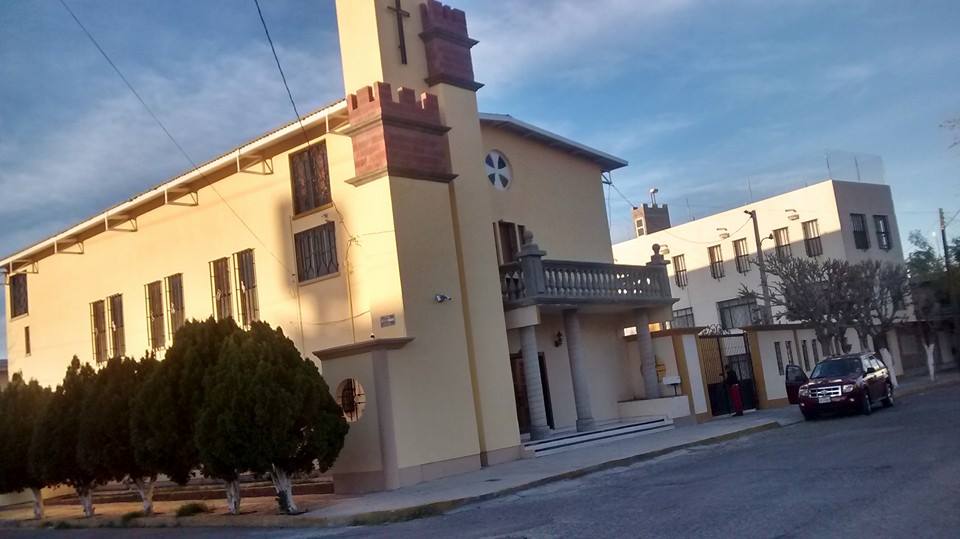
Building of the first Disciples Church on the Mexican border with Texas. Completed in 1983. /El templo de la primera Iglesia Discipulos por la frontera con Tejas cumplido en 1983. Photo de Revda. Lisania Sustaita Martinez
Christian theologies. His passion is complemented by a warm and winsome love for people and a belief in every human being’s potential to change and find their place in God’s plan for the creation. In the Pentecost section of the modern day Disciples’ Chalice Hymnal is found Pastor Julián’s declaration, “I Want to be Counted in the Upper Room”. It reads in part,
“I want to be counted among those / who are ardently desiring / that on this day of Pentecost / (friends, I hope that you also are yearning) / that the Burning Flame of the Spirit of God / descend upon you, upon me …… that both our hearts / be entirely burned and thus purified : /
Free from anger, hatred and passion; / free from ill will, jealousy and envy; / free from transgression, criticism and gossip; / free from malice, animosity and grudges …/ Lord here are my knees, my heart and my tears. / So, here I will wait that with your Holy Spirit / you may light my life.”
Julián Ibarra Zapata’s journey began in the village of Los Remedios in the State of San Luis Potosí. His father prospered following the redistribution of land formerly belonging to the second largest hacienda in the State. He imagined his promising son taking over the ranch some day but his mother wanted Julián to be a preacher. An itinerant lay evangelist of the Disciples, Genaro Martinez, visited Los Remedios once a month and the Ibarra family took the lead in starting the first Protestant Church in the village.
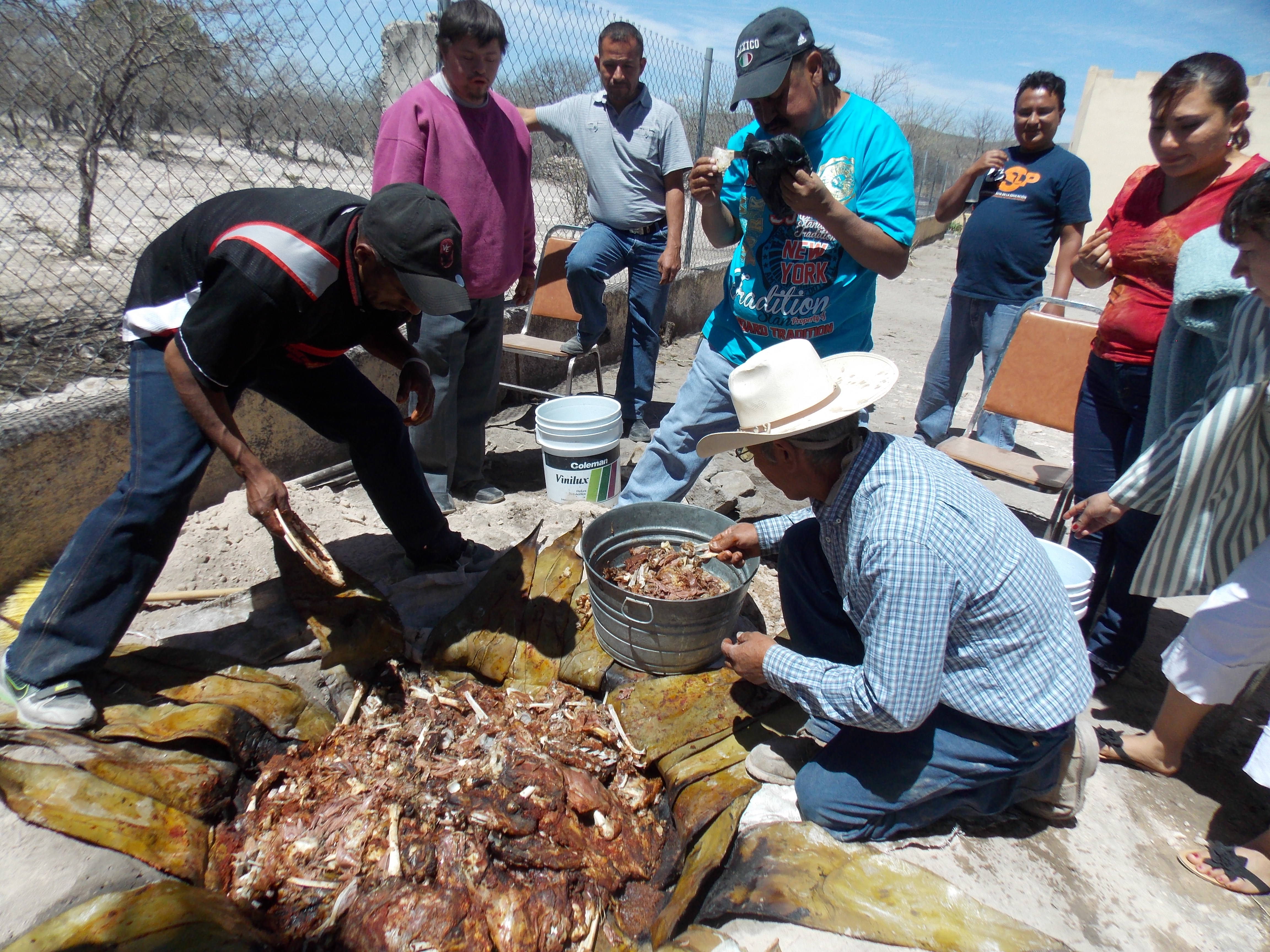
Men of the Los Remedios Church preparing barbeque for 2013 Women’s Retreat meal/ Hombres le la Iglesia en Los Remedios preparando barbacoa para mujeres del Retiro Feminil de 2013.
From his first day in Sunday School until completing studies at the ecumenical seminary in Mexico City, the Disciples mission in Mexico shaped Pastor Julián’s faith, his understanding and vision of his call to serve. After completing three years of primary school in Los Remedios, eleven year old Julián left for schooling in Aguascalientes and lived in the board and care facility there run by the Disciples missionaries. He completed high school in the Disciples school at the Granja (“Farm”) Huehuentepec on the outskirts of Aguascalientes. It was in the Pabellon Church closest to the school that he met Rosario “Chayito” Montoya whom he would call “Rosa del Río” as his partner for 49 years.
On his first trip from home, Julián and his father took a two wheeled horse drawn cart to the train station in Salinas del Hidalgo. Of the multiple partings from his family as a young student, the longest serving Disciples pastor in Mexico wrote recently, “it is for having suffered those painful good byes that my life now counts for something of great value”. Sixty five years after leaving his home state for Aguascalientes, a few weeks ago Julián Ibarra preached for the first time in Salinas. It was, he declared at the beginning, his 5,730 th sermon and Kate and Doug were present.
Grateful for the opportunity to get to know the often mentioned Pastor Julián without having to make the long trip to Juárez, we drove Julián and Chayito across the dry high plains of San Luis Potosi to the Church in Salinas. On the two hour drive we asked about the training for ministerial candidates his church offered. “Why begin the four hours of classes at 6 am on a Saturday morning” Doug asked. “We’ve kept to that schedule for many years” the dean of Mexican Disciple pastors replied. “It’s the best way we know to make sure they believe they have a call.”

Pastor Rogelio Espino Flores of the Julien Carrillo Church prays for Pastor Julián /Pastor Rogelio Espino Flores de la Iglesia de Julien Carrillo orando para el Pastor Julián
A young pastor in San Luis Potosí recently described the standards of Pastor Julián’s example for other clergy, “for more than 50 years he has proclaimed the Good News with resolute conviction, sincere compassion and absolute integrity”. Rogelio Espino Flores of the Julian Carrillo Disciples Church considers his older friend responsible for convincing him to remain in seminary during a troubling period among the Mexican Disciples. To the elder pastor, Rogelio is like a “spiritual son given the fraternal and collegial clergy relationship that we have always maintained.”
Apart from his many years serving in Juárez and his leadership role in representing Protestant Christianity in one of the most violent cities in the world, his impact on Kate and Doug is summed up by the Danish theologian Soren Kierkegaard: “Purity of heart is to will one thing”. Pastor Julián’s love of people and his devotion to their relationship with God seems to embody Kierkegaard’s statement.
Following his heart attack and nineteen days in the hospital in September 2014, Julián and Chayito moved back into the pastor’s home inside the Church compound. Prior to meeting us this year he had been hospitalized for three days for heart tests. We saw no evidence that his physical condition is a concern to him. In fact, we are certain that as long as he is able to speak, Pastor Julián, with nurse Chayito’s help, will continue to preach and live the Good News in Juaresalén.
********************* **************** ********************
El primer domingo de este año los congregantes de la Iglesia Cristiana (Discípulos de Cristo) en Ciudad Juárez, México celebró el cincuenta aniversario de su fundación con su primer y único Pastor quien presidió la celebración.

“Chayito” or “Rosa del Río” with brothers and sisters of the Mozambique Council of Churches on the trip sponsored by Global Ministries / “Chayito” gozanda la recepción de hermanos y hermanas del Concilio de las Iglesias de Mozambique en el viaje de 1999 organizado por Ministerios Globales.
Otras ocho Iglesias Discípulos en el área de Juaréz, incluso una Iglesia de habla hispana en El Paso, Texas, han sido fundadas con varias formas del apoyo por el Pastor y fieles de la primera iglesia de los Discípulos en Juaresalén (o “la paz de Juárez” que es el nombre asignado a su ciudad adoptada por el Pastor Julián Ibarra Zapata).
Descrito como un “teólogo cristiano conservador” por si mismo, arde dentro de Pastor Julián una pasión por llevar a la gente a conocer el amor de Dios a través de una relación personal con Jesucristo. Esta obvia pasión suya mueve e inspira a personas de todos los años y de las teologías cristianas más progresivas. Su pasión es complementada por un amor abierto y encantador por la gente y una creencia en el potencial de cada ser humano para cambiar y encontrar su lugar en el plan de Dios para la creación.
En la sección del Pentecostés en el Himnario Cáliz (versión en Inglés) de los Discípulos se encuentra la declaración de Pastor Julián, “Quiero ser contado en el Aposento Alto”. Lee en parte, “Quiero ser contado entre aquellos / quienes desean ardientemente / que durante este día de Pentecostés / (amigos, espero que también anhele) / que la Llama Ardiente del Espíritu de Dios / baja sobre usted, sobre mí … … que tanto nuestros corazones / ser completamente quemada como así purificada: /
Libre de cólera, odio y pasión; / libre de rencor, celos y envidia; / libre de transgresión, crítica y chisme; / libre de malicia, animosidad y rencores … / Señor aquí son mis rodillas, mi corazón y mis lagrimas. / De este modo, aquí esperaré que con su Espíritu Santo / puede encender mi vida”.
La jornada de Julián Ibarra Zapata comenzó en el pueblo de Los Remedios en el estado de San Luis Potosí. Su padre prosperó después de la redistribución de la tierra que antes pertenecía a la segunda hacienda más grande en el estado. Imaginó a su hijo prometedor que asumirá la carga del rancho algún día pero su madre quiso que Julián fuera un predicador. Un evangelista itinerante de los Discípulos, Genaro Martínez, visitó Los Remedios una vez al mes y la familia Ibarra tomó el liderazgo en el arranque de la primera iglesia Protestante en el pueblo.
A partir de su primer día en la escuela dominical hasta completar estudios en el seminario ecuménico en la Ciudad

Pastor y su amada “Chayito” en el tren del Museo de Ferrocarriles en San Luis Potosí. Photo de Heidi Sifuentes.
de México, la misión de los Discípulos de Cristo en México formaba la fe de Pastor Julián, su entendimiento y la visión de su llamada de servir. Después de cumplir con tres años de la escuela primaria en Los Remedios, Julián de once años dejó su pueblo natal para seguir con sus estudios en Aguascalientes viviendo en las instalaciones y bajo la crianza de los misioneros Discípulos. Completó la escuela secundaria en la escuela de los Discípulos en la Granja Huentepec por las afueras de Aguascalientes. Fue en la Iglesia Pabellon más cercana a la escuela que encontró a Rosario “Chayito” Montoya que el llamaría “Rosa del Rio” durante su compañerismo durante 49 años.
Por su primera salida del pueblo natal, Julián y su padre subieron en la carreta de dos ruedas jalada por caballo hasta la estación de ferrocarril en Salinas del Hidalgo. De las despedidas múltiples de su familia como un estudiante joven, el pastor de los Discípulos de servicio el más largo en México escribió recientemente, “es para haber sufrido aquellos ‘byes’ buenos dolorosos que mi vida ahora cuenta algo del gran valor”. Sesenta y cinco años después de dejar su estado natal para Aguascalientes, hace unas semanas Julián Ibarra predicó por primera vez en Salinas. Fue, -declaró al principio- el sermón número 5,730 de su vida y Kate y Douglas estuvieron presentes.
Agradecido por la oportunidad de llegar a conocer al renombrado Pastor Julián sin necesidad de hacer el viaje largo
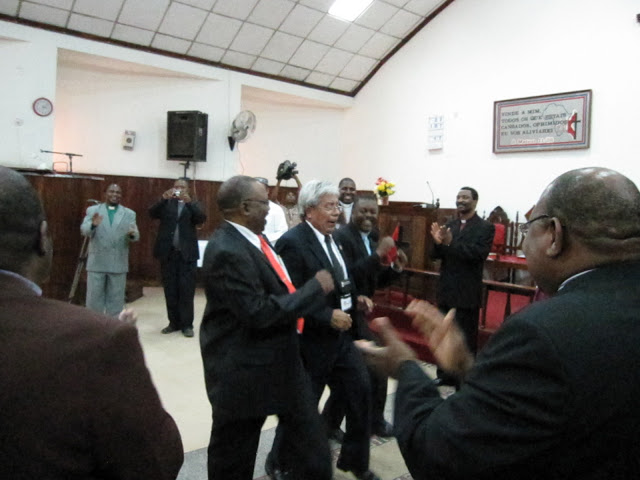
“Chayito” wrote this about worship in Mozambique: “When it was our turn to bring our offering we did the same, that is, we sang and we danced unaware that this had gone on for an hour and a half” / “Chayito” describió el culto en que participaron en Mozambique así: “En dando nuestra ofrenda nos acercamos cantando en la danza sin darnos cuenta que había durado como hora y media.”
a Juárez, condujimos a Julián y Chayito a través de las Altas Llanuras secas de San Luis Potosí a la Iglesia en Salinas. En el paseo de dos horas preguntamos sobre la formación de candidatos ministeriales que su iglesia ofrece. “Por qué comienzan las cuatro horas de clases a las 6:00 un sábado por la mañana” Doug preguntó. “Hemos guardado a ese horario durante muchos años” el decano de pastores Discípulos mexicanos contestó. “Es el mejor modo que sabemos para asegurarnos que creen que están bendecida de una verdadera llamada”.
Un pastor joven en San Luis Potosí recientemente describió los patrones seguidos por Pastor Julián que sirven como ejemplo para otros pastores, “durante más de 50 años ha proclamado las Buenas Nuevas con convicción resuelta, compasión sincera e integridad absoluta”. Rogelio Espino Flores de la iglesia de Discípulos de Julian Carrillo considera a su amigo más viejo que es la persona que lo convenció de permanecer en el seminario durante un período preocupante entre los Discípulos mexicanos. Al pastor mayor, Rogelio representa un “hijo espiritual dado la relación del clero fraternal y colegial que siempre hemos mantenido”.
Aparte de sus muchos años sirviendo en Juárez y su rol como anciano de los pastores de representar el Cristianismo Protestante en una de las ciudades más violentas en el mundo, su impacto sobre Kate y Doug es resumido por el teólogo danés Soren Kierkegaard: “La pureza del corazón se revela en el anhelo de una cosa por sobre todo”. El amor del Pastor Julián para el prójimo y su devoción a servir la relación que mantienen con Dios encarna lo que Kierkegaard describió.
Después de su ataque cardíaco a principios del año pasado, Julián y Chayito reubicarón en la casa del pastor dentro del templo de la iglesia. Un mes antes que lo conocemos a él este año había sido hospitalizado para la observación de corazón. Estamos convencidos de que mientras es capaz de hablar, Julián Ibarra Zapata, con la ayuda de la enfermera Chayito, seguirá viviendo y predicando las Buenas Nuevas en “Juaresalén”.
The People of Corn and Tamtok/ La Gente del Maíz y Tamtok

Largest platform of the Main Plaza of Tamtok. Every November Tenek people of the Region gather on the Plaza for the “Procession of the Spirits”. Photo by Janet Smith
Corn was first cultivated in Mexico around 9000 years ago and spread throughout the Americas before the Spanish took it to Europe in the early 1500’s. The Spanish word for corn, “maíz”, comes from the Tainu Indians who introduced the crop to the Spanish conquerors of Cuba and Puerto Rico. Today, corn is the world’s most widely grown grain crop; production of corn in 2009 exceeded that of both rice and wheat by over 100 million tons. Corn can be grown in places where neither rice nor wheat thrives and could be Mexico’s greatest contribution to the survival of the human species.
A naturally growing grass, called “teocintle” in a native language of Mexico, was first domesticated in the southern highlands near Puebla and went on to spark the agricultural revolution in the Western Hemisphere. Planting of corn led to the growth of urban centers and the flowering of the early Olmec and Mayan cultures of Mexico. In the Popol Vuh, the Mayan sacred scriptures, the gods created human beings out of cornmeal.
A three hour drive from our home in San Luis Potosi, northern Mexico’s largest former settlement of the “people of corn” can be visited. Nestled in a bend of the River Tampaón, the ruins of Tamtok cover 519 acres of land, with only only a small part of the area excavated and studied to date. Massive sculptures and other artifacts dating to 1100 BCE have already been uncovered. Tamtok’s lead archeologist, Guillermo Ahuja, states, “we are faced with a void of information concerning the people who occupied the site”. There is, however, no doubt that the economic, cultural and religious life of the Huasteca people who occupied the city revolved around the planting and harvesting of corn.
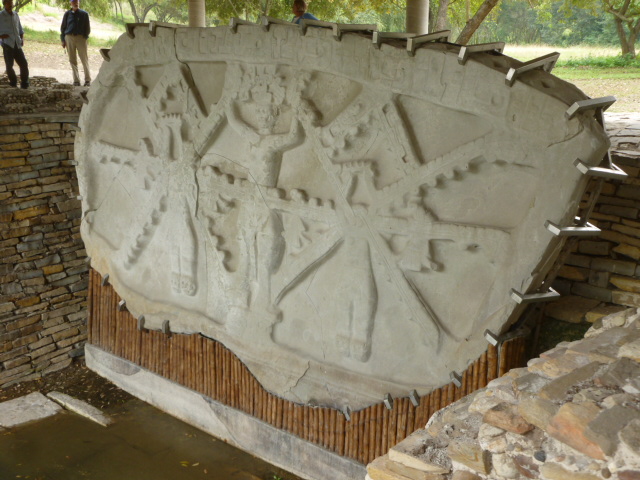
The Moon Calendar, also known as “The Priestess”, is 4 meters wide by 8 high and dates from between 700 and 1150 BC/ “La Sacerdotisa” mide 4 metros por altura y 8 por ancho y fue elaborada entre 1150 y 700 AC.
The massive lunar calendar discovered in the channel of a spring fed aqueduct in 2005 provides decisive evidence that this was a civilization devoted to agriculture. The archeologist Ahuja concludes, “For sedentary peoples, the more important calendar is the lunar and not that of the sun. It is the moon’s phases that guides the cycle of planting and harvesting, and gives clues on when the rains will come and whether it will be hot or cold… The fact that this calendar was fixed in a water source further emphasized the importance of the moon as the generator of the vital liquids necessary for life.”
Twenty five hundred years after the lunar calendar was erected in the city of Tamtok, the Aztecs popularly called the Huasteca people of the fertile region the “people of food”. Uniquely favored by their location in the midst of the largest system of rivers in Mexico, the Panuco system, the Huasteca people today only grow sugar cane where corn once flourished. When the Spanish arrived early in the 1500’s, the remaining communities around the abandoned city still grew corn as the primary crop. Huge land grants for the Spanish troops were soon devoted to raising cattle and the native Huastecas fled into the surrounding hills. Today, Huasteca descendents of Tamtok’s inhabitants mostly grow corn for their own consumption and not for export.
Where Mexicans today still grow corn for export, the effect of the NAFTA free trade treaty has been devastating. When the lunar calendar was discovered at Tamtok in 2005, Mexican corn farmers were organizing to remove corn and beans from the NAFTA agreement. North American corn imports were drastically lowering the corn prices in Mexico and genetically modified corn was “contaminating” the locally grown product.
What the long term impact of lowered trade barriers, “contamination” of Mexican seeds, and the continued growth of industrial farms will be on “the people of corn” remains to be seen. It does however seem likely that without the means to earn sufficient cash for school fees, clothing, etc. by growing their staple crops of corn and beans, rural families will be forced to move to urban areas in Mexico or in the U.S. in search of work.
On our first visit to the Tamtok ruins, our Huasteca guide told us he lived nearby and that his first language learned

Venus of Tamtok was discovered in 2005 near “The Priestess” calendar and reflects the culture’s emphasis on the female’s role in the regeneration and survival of the “people of corn”./ Venus de Tamtok fue descubierto al lado de “la Sacerdotisa” en 2005 y muestra la enfoque de la cultura sobre el rol de la mujer en la sobreviviencia y regeneración de “la gente del maíz” Photo de Javier Carrera
was Tenek, the language of the Tamtok people and very similar to the language of the ancient Maya of Central America and the Yucatan. While most men of the village work in the cane fields and ranches of the region, their families grow corn and beans for their own consumption. The guide/host had worked at the ruins since they were first opened to the public, and was proud to have helped in the excavation of most of the site. He was there when the lunar calendar was found and helped lift the Venus of Tamtok from the earth.
Hearing about his life as a descendant of the “people of corn” who built Tamtok so many questions came to mind: what was his true relationship to the people buried in the ruins of the ancient city? If they are in fact his ancestors, did his culture and beliefs inherited from the people of Tamtok have something to do with his family’s longevity in the area? What can we learn from excavating the ruins of a people who thrived for twenty five hundred years at the bend of the River Tampaón? What do they have to teach us about the capacity of human beings to adapt, to change and to survive
And finally, a visit to Tamtok also poses the questions about our own culture’s contributions to the future of the human species. What is our culture’s legacy? What are we leaving that will enable generations to survive and to thrive long into the future ?
Stay tuned to Erasing Borders for a future blog about what has been learned so far about the practices and beliefs of the people of Tamtok.
*************** ****************
“La Gente del Maíz y Tamtok”
El maíz fue cultivado primero en México hace aproximadamente 9000 años y se extendió en todas partes de las Américas antes de que los españoles lo llevaron a Europa a principios de los años 1500. La palabra española para el maíz viene de los indios Tainu que introdujeron la cosecha en los conquistadores españoles de Cuba y Puerto Rico. Hoy, el maíz es el grano más extensamente cultivado en todo el mundo; la producción del maíz en 2009 superó la de arroz y trigo en más de 100 millones de toneladas. El maíz puede ser cultivado en sitios donde ni el arroz ni el trigo prosperan y podrían ser la mayor contribución de México a la supervivencia de la especie humana.
Una hierba muy parecida pero naturalmente creciente , llamada “teocintle” en una lengua materna de México, fue domesticada primero en las tierras altas del sur de Mexico cerca de Puebla y continuó a provocar la revolución agrícola en el Hemisferio Occidental. La plantación del maíz resultó en el crecimiento de centros urbanos y el florecimiento de las culturas antiquas de los Olmecas y los Maya. En el Popol Vuh, las escrituras sagradas mayas, los dioses crearon a los seres humanos de la harina de maíz.
A un paseo de tres horas desde nuestra casa en San Luis Potosí, el pueblo antiguo de la “gente del maíz” el más grande de México del norte puede ser visitado. Recostado en una curva del Río Tampaón, las ruinas de Tamtok cubren 519 acres de la tierra, con sólo un pedazo del área excavado y estudiado hasta ahora. Las esculturas masivas y otros artefactos que datan a 1100 D.C. ya han sido destapados. El arqueólogo principal de Tamtok, Guillermo Ahuja, declaró, “somos enfrentantes con una desprovista de la información acerca de la gente que ocupó el sitio”. No hay duda, sin embargo, que la vida económica, cultural y religiosa de la gente Huasteca (la Región actuale de Tamtok) que ocupó el sitio hizo girar alrededor de la plantación y la cosecha del maíz.
El calendario lunar masivo descubierto en el canal de un acueducto en 2005 proporciona prueba decisiva de que esto era una civilización dedicada a la agricultura. El arqueólogo Ahuja concluye, “Para pueblos sedentarios, el calendario más importante es el lunar y no ese del sol. Son las fases de la luna que dirige el ciclo de plantación y cosecha, y da a pistas en cuando las lluvias vendrán y si será … caliente o frío El hecho que este calendario fue fijado en una fuente acuática enfatiza aún mas la importancia de la luna como el generador de los líquidos vitales necesarios para la vida”.
Dos mil quinientos años después de que el calendario lunar fue erigido en la ciudad de Tamtok, los aztecas popularmente llamaban a la gente Huasteca de la región fértil la “gente de la comida”. Únicamente favorecido por su ubicación en medio del sistema más grande de ríos en México, el sistema de Pánuco, la gente de Huasteca hoy sólo cultiva la caña de azúcar donde el maíz una vez prosperó.
Cuando los españoles llegaron a principios de los años 1500, las comunidades restantes alrededor de la ciudad abandonada todavía cultivaban el maíz como la cosecha primaria. Las subvenciones de tierra enormes donadas a las tropas españolas fueron dedicadas pronto al criar del ganado y los habitantes Huastecos huyeron en las colinas circundantes. Hoy, los descendientes de los habitantes de Tamtok antiguo generalmente cultivan el maíz para su propio consumo y no para la exportación.
Donde los mexicanos hoy todavía cultivan el maíz para la exportación, el efecto del tratado del libre comercio NAFTA ha sido devastador. Cuando el calendario lunar fue descubierto en Tamtok en 2005, los cultivadores mexicanos del maíz organizaban para quitar maíz y frijoles del acuerdo NAFTA. Las importaciones del maíz norteamericanas bajaban drásticamente los precios del maíz en México y el maíz importado ya genéticamente modificado “contaminaba” el producto Mexicano cultivado.
Lo que el impacto en “la gente del maíz” estará a largo plazo de barreras comerciales bajadas, “la contaminación” de semillas mexicanas y el crecimiento continuado de granjas industriales está por ver. Realmente parece sin embargo probable que sin los medios de sobrevivir cultivando sus cosechas básicas del maíz y frijoles, las familias rurales serán obligadas a trasladarse a zonas urbanas en México o en los Estados Unidos en busca del trabajo.
En nuestra primera visita a las ruinas de Tamtok, nuestro guía de origen Huasteca nos dijo que vivía cerca y que su primera lengua aprendida era Tenek, la lengua de la gente de Tamtok y muy similar a la lengua del maya antiguo de Centroamérica y Yucatán. Mientras la mayor parte de hombres de su aldea trabaja en los campos de la caña o criando el ganado de la región, sus familias cultivan maíz y frijoles para su propio consumo. El guía/anfitrión había trabajado en las ruinas desde que fueron abiertos primero al público, y era obviamente orgulloso de haber ayudado en la excavación de la mayor parte del sitio. Estaba presente cuando el calendario lunar fue descubierto y ayudó a levantar el Venus de Tamtok de la tierra.
Escuchando al guía hablar sobre su vida como un descendiente de la “gente del maíz” que construyó Tamtok tantas preguntas vinieron a la mente: ¿Cuál era su relación verdadera con la gente sepultada en las ruinas de la ciudad antigua? ¿Si son de hecho sus antepasados, es que su cultura y creencias heredadas de la gente de Tamtok tienen algo que ver con la longevidad de su familia en el área? ¿Qué hay por aprender aún en la excavación de las ruinas de unas personas que prosperaron durante dos mil quinientos años en la curva del Río Tampaón? ¿Qué nos puede la gente de Tamtok enseñar sobre la capacidad de seres humanos de adaptarse, cambiar y sobrevivir?
Y finalmente, una visita a Tamtok también plantea las preguntas sobre las contribuciones de nuestra propia cultura al futuro de la especie humana. ¿Cuál es la herencia de nuestra cultura? ¿Qué dejamos como legado que permitirá a siguientes generaciones sobrevivir y prosperar mucho tiempo en el futuro?
Vuelvan a “Erasing Borders” para leer un futuro blog sobre lo que ha sido aprendido hasta ahora sobre las prácticas y las creencias de “la gente del maíz” de Tamtok.
Mexican Disciples Step Forward/Un Paso En Adelante de Los Discipulos de Mexico
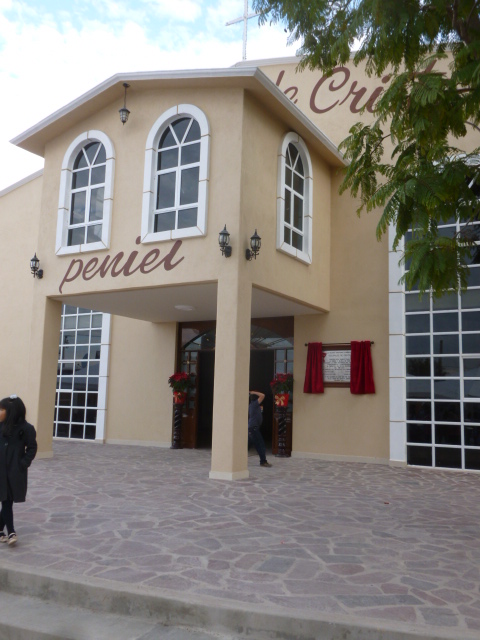
The new Maravillas sanctuary in December 2014/Nuevo templo de Maravillas en Diciembre 2014
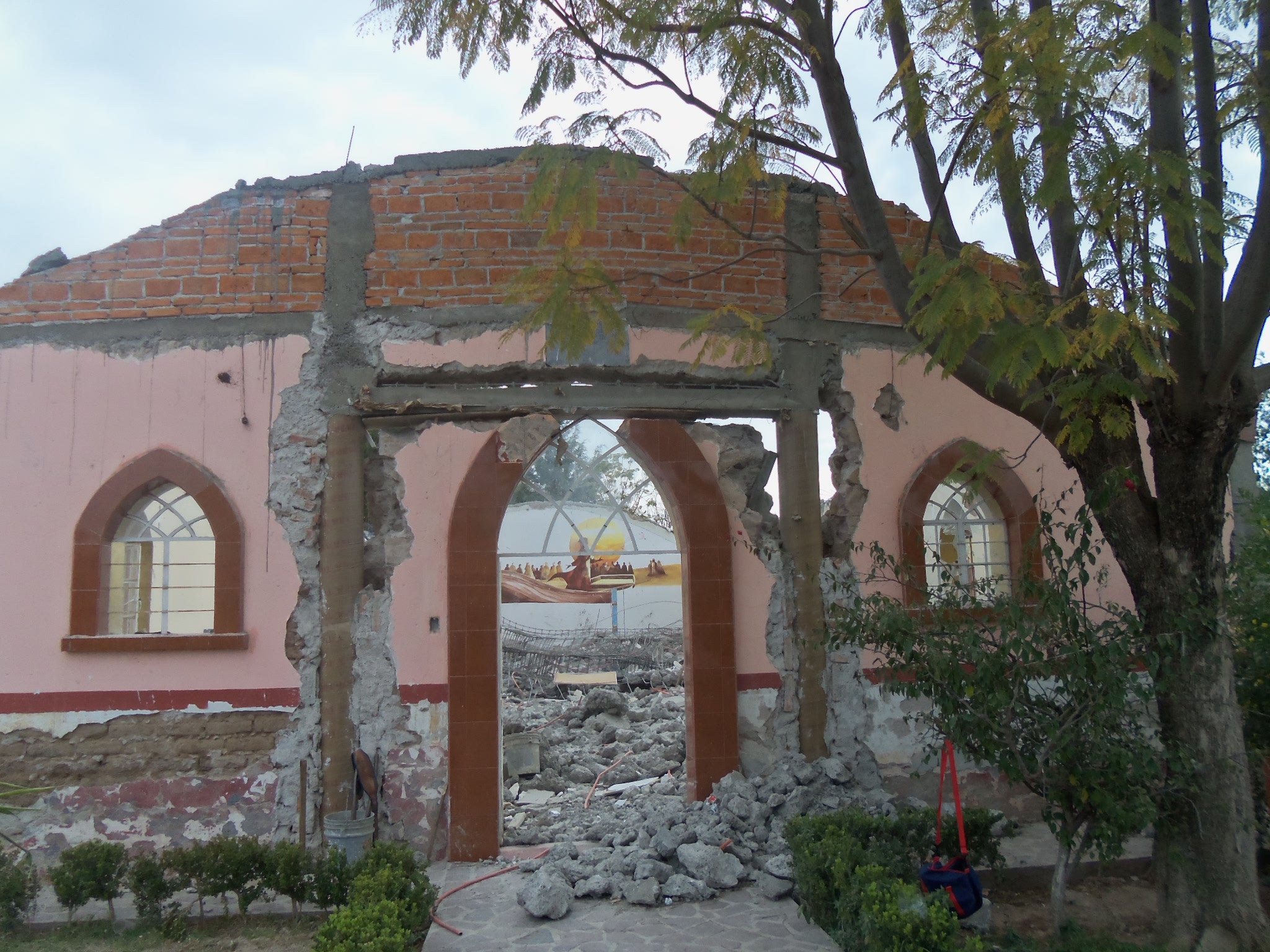
Entrance of the Maravillas sanctuary in January 2013
“Unless the Lord builds the house, those who build it labor in vain.” Psalm 127:1
The Disciples Church in Maravillas, Mexico is the only church we’ve ever been in that shares a full meal together every Sunday following worship. We couldn’t imagine on our first visit that we would be fed in so many other ways through our relationship with the Church of Maravillas.
Not long after we visited the Church, while eight men were replacing the leaky roof of the Maravillas sanctuary, disaster struck. The nearly completed new roof collapsed, bringing down much of the walls with it. The pastor of the Church, Rosendo Arvizu, who was present on the ground, declares it a miracle that none of the men were injured even slightly.
On our next visit, the rubble had been cleared and a ground breaking for a new building had been planned. The Building Committee had forged ahead with a design and the congregation had approved a budget for the construction of the new sanctuary.
Before Doug’s sermon at the ground breaking, a woman elder of the Maravillas congregation gave her testimony. Esperanza Patena had just survived several rounds of chemotherapy, defying a cancer that had been described as fatal. She had seen the Church overcome challenges in the past and she had faith that the vision of a new sanctuary would soon be fulfilled.
When Pastor Rosendo estimated it would take ten years to raise the funds and complete the project, Esperanza’s son in law, the Building Committee Chair was more optimistic. His business had grown considerably in recent years and he saw the project as an opportunity to show his family’s gratitude. He foresaw completing the construction within three years.
So a congregation with fewer than 100 members girded itself for building a new sanctuary that would seat 300 persons plus with little promise of outside help. To replace the roof, they had waited for funding to come from somewhere else. And after five years of waiting, they had gone ahead on their own. So this time they wouldn’t wait.
Some help from outside the congregation did in fact come. Inspired by the faith and trust of the relatively small congregation, the two

Esperanza Patena aided by son Julio gives her testimony at the ground breaking March 2013/ Hermana Esperanza da su testimonio en marzo 2013
largest churches in San Luis Potosi contributed the equivalent of $2500 US. Global Ministries in the U.S. sent a check and arranged for a Disciple layman with construction experience to journey to Maravillas and do whatever he could to help. When Jim Piper made the second trip of 2000 miles from Idaho on his motorcycle, his dedication to the project led to contributions from his own congregation and from the Disciples Oregon Region. These tangible expressions of solidarity and support for the Maravillas congregation were appreciated as much or more as demonstrations of “the ties that bind” as they were for their monetary value.
Jim’s wife Janette didn’t want to miss out on the hospitality, good food and rich experience her husband was enjoying. During his second stay, she joined him for two weeks and was moved by an outpouring of support for the project at the last worship service she attended. At the time, initial pledges and gifts by the congregation had been used and how they would come up with the funds to continue the building was on everyone’s mind. Janette described what happened:
“At the DOC afternoon service of the Church in Maravillas, Mexico, over 6,000 pesos (about $500 dollars) were raised by the congregation. The members did not want to have the construction work stop. The progress on their new church is sparking the desire to be in by Christmas. The money raised on June 30, 2013, was able to purchase the needed supplies the construction crew needed for the next day. Smiles, praises and tears filled the room as more and more pledges were made. God’s Holy Presence was felt in the room. “
Later on, after a visit by the Mayor to the project, the town treasury contributed 50,000 pesos (around $4,000 US) and a loan was secured. Finishing the balcony and stairways, laying a beautiful tile floor, installing towering windows, the patio with baptistery and other finishing touches took another year. The new sanctuary, named Peniel (“face of God” in Hebrew), was dedicated December 20, 2014, a week short of the two year anniversary of the collapse of the former building.
Soon after the dedication, Esperanza Patena received the news that her cancer had returned. She died before she could resume therapy, and a throng filled the new sanctuary to honor a life devoted to love of God, her family, church and community. The funeral service became a second dedication of the sanctuary that would stand for many present as a testimony to the impact made by a life of deep faith.

At the sanctuaary dedication Ramiro Ortiz stands behind his wife in blue blouse on left and next to son in red jacket/ En el culto de dedicación Ramiro Ortiz se paró detras de su esposa en blusa azule y al lado del hijo major en saco rojo
Since completing his task as chair of the building committee, Esperanza’s son in law Ramiro Ortiz Pardo has become involved in the community development projects of Disciples churches in two rural communities. He spoke recently at a men’s meeting of the Central Christian Church San Luis Potosi, testifying that the growing earnings from his machine shop are not his alone. In leading the construction of the new Maravillas sanctuary he had come to see himself as “God’s treasurer” and guardian of the profits from his business. Now wherever he can help other Disciple churches of central Mexico serve their communities he is prepared to do so.
For retreats, conventions, and assemblies of Mexican Disciples, Maravillas’ new sanctuary is an ideal setting. It will no doubt be frequently used. But more important than the beautiful space is the enduring lesson the building represents for those who gather there. The Maravillas sanctuary declares that when a community steps boldly forward in faith their labor will not be in vain. Around 95 % of the $116,000 US for the building project came from the members of the small congregation. And that is truly a wonder (“maravilla”).
*************************** ********************** ******************************
“Si Jehová no edificare la casa, En vano trabajan los que la edifican.” —Salmo 127:1
La Iglesia de los Discípulos en Maravillas, México, es la única iglesia en que hemos estado que comparte juntos una comida completa cada domingo después del culto. No podíamos imaginar en nuestra primera visita que seríamos alimentados de tantos otros modos en el transcurso de nuestra relación con la iglesia de Maravillas.
No mucho después que visitamos la iglesia, mientras que ocho hombres estaban en el proceso de reemplazar el tejado agujerado del santuario de Maravillas, un desastre aconteció. El nuevo tejado casi terminado se cayó, una porción de las paredes con ello. El pastor de la iglesia, Rosendo Arvizu, que alcanzó a ver todo desde abajo, declara que fue un milagro que todos los hombres resultaran ilesos.
En nuestra siguiente visita, los escombros habían sido limpiados y había sido planeada una ceremonia para empezar la construcción de un nuevo edificio. El Comité del Proyecto había avanzado con un diseño y los feligreses habían

La Biblia del podio formó parte del cimiento del nuevo templo/The Bible was laid in the foundation of the new church building
aprobado un presupuesto para edificar el nuevo santuario.
Antes del sermón de Doug en la ceremonia, una anciana de los fieles de Maravillas dio su testimonio. Esperanza Patena apenas acababa de sobrevivir varias rondas de la quimioterapia, desafiando un cáncer que había sido diagnosticado como fatal. Había visto la iglesia vencer desafíos en el pasado y ella estaba segura que la visión de un nuevo santuario muy pronto sería completada.
Cuando Pastor Rosendo estimó que se necesitarían diez años para recaudar los fondos y terminar con el proyecto, el yerno de Esperanza, el Presidente del Comité del Proyecto se expresó más optimista. Su negocio había crecido bastante en años recientes y vio el proyecto como una oportunidad de mostrar la gratitud de su familia. Previó completar la construcción dentro de tres años.
Asi fue que la iglesia con menos de 100 miembros se comprometió con ella misma para construir un nuevo santuario con espacio para 300 persona con ninguna certeza de ayuda externa. Para reemplazar el tejado, habían esperado ayuda financiera de otra parte. Y después de cinco años de la espera, habían seguido adelante solos. Por tanto esta vez no esperarían.
Un poco de ayuda desde fuera de la propia comunidad de fe si se realizó de hecho. Inspirado por la confianza y la fe de los relativamente pocos fieles de Maravillas, las dos iglesias más grandes en San Luis Potosí contribuyeron el equivalente de 2500$ dólares. Ministerios Globales en los Estados Unidos enviaron un cheque e hicieron los arreglos para enviar un laico de los Discípulos con la experiencia en la construcción, para viajar a Maravillas y hacer todo lo que pudiera para ayudar.

Pastor Augustin Martinez de los Discipulos de Cristo en Oregon tambien visitó Maravillas luego de la construcción/ Salem, Oregon Disciples Pastor Augustin Martinez also visited
Cuando Jim Piper hizo el segundo viaje de poco más de 3,200 kilómetros desde Idaho en su motocicleta, su dedicación al proyecto inspiró a su propia iglesia en Idaho y de los Discípulos en la Región de Oregon a hacer contribuciones también. Estas expresiones tangibles de solidaridad y apoyo hacia los fieles de Maravillas fueron apreciadas tanto o más como demostraciones de “lazos de amor” que por su propio valor monetario en sí.
La esposa de Jim –Janette-, quiso experimentar por sí misma la hospitalidad, comida buena y experiencia rica de la cual su marido disfrutaba. Durante la segunda estancia de Jim, ella se unió a él durante dos semanas y fue conmovida por un torrente del apoyo al proyecto en el último culto al cual asistió. En ese tiempo, las promesas iniciales y las contribuciones de los fieles habían sido ya usadas y la pregunta “¿De dónde vendrían los fondos para seguir edificando?” estaba en la mente de todo el mundo.
Janette describió lo que pasó: “En el culto de la tarde en la iglesia de Maravillas, México, más de 6,000 pesos (aproximadamente 500$ dólares) fueron dados por los fieles. Los miembros no quisieron ver pausadas las obras de construcción. El progreso en la construcción de su nuevo templo provocó el deseo de terminar y poder estar en él para antes de la Navidad. Con el dinero recaudado el 30 de junio de 2013, ya se podían comprar las provisiones y el equipo de construcción necesario para el día siguiente. Las sonrisas, las alabanzas y las lágrimas llenaron el santuario provisional, del mismo modo en que más promesas iban siendo hechas. La Presencia Santa de Dios fue sentida en ese espacio.”
Más tarde, después de una visita del presidente municipal al proyecto, la tesorería del pueblo contribuyó 50,000
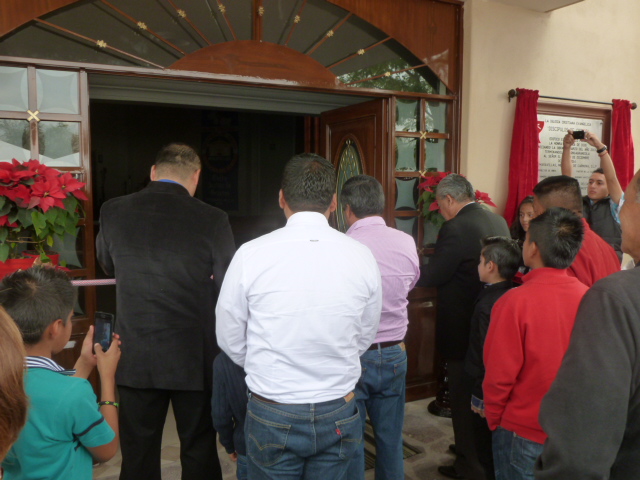
Pastor Rosendo Arvizu orando antes del corte del liston a la entrada del nuevo templo. Parado a la izquierda Ramiro Ortiz/Pastor Rosendo Arvizu prays before the ribbon cutting at the entrance. Ramiro Ortiz is on the left.
pesos (aproximadamente 4,000$ dólares US) y un préstamo fue asegurado. Terminar el balcón y escaleras, poner un piso de baldosa hermoso, instalar ventanas altísimas, el patio con bautisterio y otros últimos toques, tomó otro año. El nuevo santuario, llamado Peniel (“Rostro de Dios” en hebreo), fue dedicado el 20 de diciembre de 2014, a tan solo una semana del segundo aniversario del colapso del antiguo templo.
Pronto después de la dedicación, Esperanza Patena recibió las noticias que su cáncer había vuelto. Murió antes de que pudiera reanudar la terapia, y una multitud llenó el nuevo templo para honrar una vida dedicada al amor de Dios, de su familia, iglesia y comunidad. El funeral se volvió una segunda dedicación del edificio magnifico que siempre significaría para muchos presentes como testimonio del impacto producido por una vida de fe profunda.
Tras completar su tarea como presidente del Comité del Proyecto, el yerno de Esperanza, Ramiro Ortiz Pardo, se involucró en proyectos de desarrollo comunitario de iglesias de los Discípulos en dos comunidades rurales. En su presentación reciente a los varones en la Iglesia Cristiana Central San Luis Potosí el testificó que las ganancias crecientes de su taller de máquinas no son solamente suyas o únicamente para su familia. En el transcurso de la construcción del nuevo santuario de Maravillas había alcanzado a verse a sí mismo como “un tesorero de Dios” y guarda de las ganancias de su negocio. Ahora se siente listo para ayudar a otras iglesias de Discípulos en el centro de México para que sirvan a sus comunidades.
Para retiros, convenciones y asambleas de Discípulos mexicanos, el nuevo santuario de Maravillas es una localidad ideal. Sin duda será con frecuencia usado. Pero más importante que el espacio hermoso, es la lección inspiradora que el edificio provee a aquellos que se juntan allí. El santuario de Maravillas declara que cuando una comunidad ande vigorosamente adelante animada por su fe, su trabajo no será en vano. Aproximadamente el 95% de los 116,000$ dólares (1, 756, 000.00 pesos mexicanos) para el proyecto de construcción vino solamente de los miembros de la congregación local. Y este, al igual que los demás hechos alrededor, son verdaderas “maravillas”.
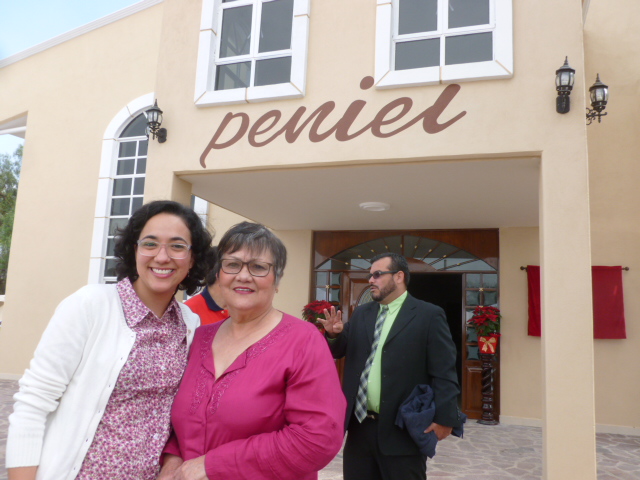
Bere Gil Soto seminarista en Indianapolis EE UU con su mamá Olivia pudieron asistir a la dedicación. Pastor Rosendo, hijo del Pastor de Maravillas, parado atras de ellas predicó al culto./ Bere Soto, seminary student at Christian Theological Seminary, attended the dedication with her mother. The preacher for the worship, Pastor Rosendo, son of Maravillas Pastor, stands behind them.

Se reveló la placa de dedicación antes de entrar en el nuevo templo./Dedication plaque for the new sanctuary
A Missionary’s Legacy / Herencia de Un Misionero
Sr. Reynaldo Islas (on l.) and Sr. Hemer Sierra both achieved their engineering degrees with Guy Mantle’s help. / Gracias al misionero Sr. Guy Mantle, Sr. Reynaldo Islas ( iz.) y Sr. Hemer Sierra cumplieron su entrenamiento como ingenieros
“Let us now sing the praises of famous men, our ancestors in their generations.” Sirach or Ecclesiasticus 44:1 NRSV
I’ve wanted to learn more about Guy Mantle, the Disciples missionary to Mexico in the early 1920’s, ever since my friend Hemer Sierra of San Luis Potosí first mentioned him. That was two and a half years ago and now as I write this I have to confess that I know little more now than I did back then. But what I have learned has added to my respect and admiration of a man who lived his life well leaving a legacy of gratitude among those who knew him here in Mexico.
He was the Uncle of the legendary baseball player Mickey Mantle and on first meeting someone he would often mention this fact. Following service in the U.S. Army in World War I, Guy Mantle married a Mexican woman, bilingual in English and Spanish, in Los Angeles. Delia Esparza was from Aguascalientes, in the center of Mexico, and in her family were some of the first Disciples converts to the Protestant Christian faith in that State capital city. The newlyweds Guy and Delia applied and were accepted to serve as missionaries in Mexico supported by the United Christian Missionary Society.
According to the history of the Disciples’ churches in Mexico (Historia de los Discipulos by Ruth Leslie and Mae Wilson), the Mantles served only two years in “social service” roles in the other Disciples capital city of San Luis Potosi. No doubt Delia Mantle was valuable to the mission for her bilingual skills and both were active in helping establish the Disciples in the city where the Central Christian Church was founded in 1921 during their term of service.
By 1923 the Mantles had moved back to Los Angeles where Delia had family and the couple reached out to Mexican immigrants while serving Disciples churches in the area. These contacts with Mexicans led Guy and Delia to shape a new vision for their life together.
As the U.S. prepared for entry into WW II, the Mantles returned to San Luis Potosi. Guy would enter the city’s law school to study criminal case law and Delia would teach English. Mexico in the late 1930’s was enjoying an era of promise and new possibilities. President Cardenas had led a program of land redistribution in the rural areas and the nationalization of Mexican oil production created a sense of pride and new expectations. To help poor Mexicans realize their potential in this heady climate of progress, Guy Mantle aimed to serve as attorney on a pro bono basis for Mexicans whose cases had been unjustly or inadequately tried in the courts.
After Guy completed his law training, he took a job at the ASARCO mines’ smelter, the largest employer in the City. His job in the Personnel office along with Delia’s teaching helped pay their bills and in his spare time he fulfilled his call to represent the poor in the local courts. By the early 1950’s the Mantles had settled into a large house with an orchard in the old colonial downtown of San Luis Potosi. Guy had hired a secretary to manage his legal and personal correspondence and was now able to devote more time to his criminal case work having left ASARCO and opened with his wife the American Academy in their home.
It was at this time in the early 1950’s, that Guy Mantle began recruiting young men to study at his alma mater, Oklahoma State University. Over a dozen of these bright, promising students in San Luis Potosi took advantage of the Mantles’ scholarship endowment fund at OSU with many of them going on to distinguished careers of university teaching, high management positions at PEMEX (the Mexican state-owned oil company) and at other companies, some founded by the former students themselves.
One of the young men, now retired from a career in mechanical engineering, told me about the impact on Mantle of losing a much younger cousin to combat in WWII. Reynaldo Islas remembers a conversation with Mr. Mantle that focused on the potential of this cousin and the tragedy of the loss. That the scholarship fund created by Guy Mantle was at least in part motivated by this loss would be in keeping with other facts of the life of this caring, deeply feeling man.
What I know for certain is that my friend Hemer’s frequent mention of the man comes out of a sense of great debt to Guy Mantle, both for the financial support of his chemical engineering education and for the example of a life well lived. As he looks back on his 80 years, Hemer Ernesto Silva Sierra describes Guy Mantle as one of the most important people in his life.
Perhaps his most lasting contribution to the lives of those young engineering students is found in the values by which they have lived their lives. Hemer’s great friend for most of his life is Frank Valero, founder of a multi-national company and also a Guy Mantle protégé. Before his death from pancreatic cancer, Frank told Hemer “God sent me into the world to help other people”. I wonder if he realized how well he had described his benefactor Mr. Guy Mantle in saying that.
Guy Mantle died of a heart attack while trimming one of his fig trees at the age of 73 in 1957. He is buried alongside his wife Delia in the El Saucito Cemetery of San Luis Potosí. They left no children behind.
******************* ***************************** **********************
Ahora vamos a cantar las alabanzas de hombres famosos, nuestros antepasados en sus generaciones”.
Sirach o Eclesiástico 44:1 (NRSV)
He querido aprender más sobre Guy Mantle, el misionero de los Discípulos en México a principios de los años 1920, desde que mi amigo Hemer Sierra de San Luis Potosí primero me lo mencionó. Esto fue hace dos años y medio y ahora ya que escribo esto tengo que admitir que sé apenas un poco más ahora de lo que realmente supe antes. Pero lo que he aprendido ha añadido a mi respeto y admiración por un hombre que vivió bien su vida, dejando una herencia de gratitud entre aquellos que le conocían aquí en México.
Era el Tío del jugador legendario de béisbol Mickey Mantle y en la primera reunión con alguien tenia la costumbre de divulgar este hecho. Después de haber participado en el ejército estadounidense en la Primera Guerra Mundial, Guy Mantle se casó con una mujer mexicana, bilingüe (inglés y español), en Los Ángeles.
Delia Esparza era de Aguascalientes, en el centro de México, y en su familia había algunos Discípulos como primeros conversos de a la fe cristiana evangélica en esa ciudad. Los recién casados Guy y Delia se presentaron y fueron aceptados a servir de misioneros en México apoyado por la Sociedad de Misión de los Cristianos Unidos (Discipulos de Cristo).
Según la historia de las iglesias de los Discípulos en México (Historia de los Discípulos en Mexico por Ruth Leslie y Mae Wilson), los Mantle sirvieron sólo dos años en roles del “servicio social” en la otra capital de Discípulos de San Luis Potosí. Sin duda Delia Mantle era valiosa en la misión por sus habilidades bilingües y ambos eran activos ayudando a establecer a los Discípulos en la ciudad donde la Iglesia Cristiana Central fue fundada en 1921.
Hacia 1923 la pareja joven había regresado a Los Ángeles donde Delia tenía la familia y los Mantle tendieron la mano a inmigrantes mexicanos luego de servir a unas iglesias de Discípulos en el área. Estos contactos con mexicanos llevaron a Guy y Delia a formar una nueva visión para su vida juntos.
Como los Estados Unidos se preparaban para su entrada en la Segunda Guerra Mundial, la pareja volvió a San Luis Potosí. Guy entraría en el colegio de abogados de la ciudad para estudiar la ley penal de Mexico y Delia enseñaría inglés.
México a finales de los años 1930 disfrutaba de una era de promesa y nuevas posibilidades. El presidente Cárdenas había conducido un programa de la redistribución de la tierra en las zonas rurales y la nacionalización de la producción petrolífera mexicana creó un sentido de orgullo y nuevas expectativas. Para ayudar a mexicanos pobres a realizar su potencial en este clima embriagador del progreso, Guy Mantle pretendió servir como abogado en una base pro bono para mexicanos cuyos casos habían sido injustamente o inadecuadamente atendidos en los tribunales.
Después de que el Sr. -luego Licenciado Mantle- completó su formación de la ley, tomó un trabajo en la fundición de las minas ASARCO, el empleador más grande en la Ciudad. Su trabajo en la oficina del Personal junto con el sueldo como docente de Delia cumplió con sus cuentas y en su tiempo libre Guy realizó su sueño de representar a los pobres en los tribunales locales.
Al principio de los años 1950 los Mantle se habían establecidos en una casa grande con un huerto en el viejo centro de la cuidad colonial de San Luis Potosí. El hombre había contratado a un secretario para manejar su correspondencia legal y personal y era capaz ahora de dedicar más tiempo a su trabajo legal con los casos penales ya que había dejado ASARCO y había abierto con su esposa la Academia Americana en su casa.
Era en ese tiempo que el Lic. Mantle comenzó a reclutar a jóvenes para estudiar en su alma máter, la Universidad Estatal de Oklahoma (UEO). Más de una docena de esos estudiantes inteligentes y jóvenes de San Luis Potosí aprovecharon del fondo para proveer becas de los Mantle en UEO con muchos de ellos continuando a carreras distinguidas como profesores universitarios, posiciones altas en la administración de PEMEX (la compañía petrolera de la nación mexicana) y en otras compañías, algunas fundadas por los propios ex-estudiantes.
Uno de los jóvenes, ahora retirado de una carrera en la ingeniería mecánica, me contó sobre el impacto en Mantle de perder a un primo mucho más joven en el combate de la Segunda Guerra Mundial. Reynaldo Islas recuerda esa conversación que se concentró en el potencial de este primo y la tragedia de la pérdida.
Que el fondo de la beca creado por Guy Mantle fuera al menos en parte motivado por esta pérdida sería de acuerdo con otros hechos de la vida de este hombre de mucha sensibilidad y amor por el prójimo.
Lo que sé con seguridad es que la mención frecuente de mi amigo Hemer del Sr. Mantle sale de un sentido de la gran deuda debida a el, tanto por el apoyo financiero de su educación en la ingeniería química como por el ejemplo de una vida bien vivida. Cuando mira hacia atrás a su edad de 80 años, Hemer Ernesto Sierra Silva describe a Guy Mantle como una de las personas más importantes en su vida.
Quizás su contribución más durable a las vidas de aquellos estudiantes técnicos se encuentra en los valores por los cuales han vivido sus vidas. El grande amigo de Hemer por la mayor parte de su vida es Frank Valero, el fundador de una compañía multinacional y también uno que benefició de la generosidad de Guy Mantle. Antes de su muerte del cáncer pancreático, Frank dijó en conversación con Hemer, “Dios me envió al mundo para ayudar a otra gente”. Me pregunto si se dio cuenta de lo bien que había descrito a su benefactor el Sr. Guy Mantle en su refrán.
Guy Mantle murió de un ataque cardíaco podando una de sus higueras a la edad de 73 años en 1957. Fue sepultado junto a su esposa Delia en el cementerio de El Saucito en San Luis Potosí. No dejaron hijos.
A Political Calling / “Un Llamamiento Politico”
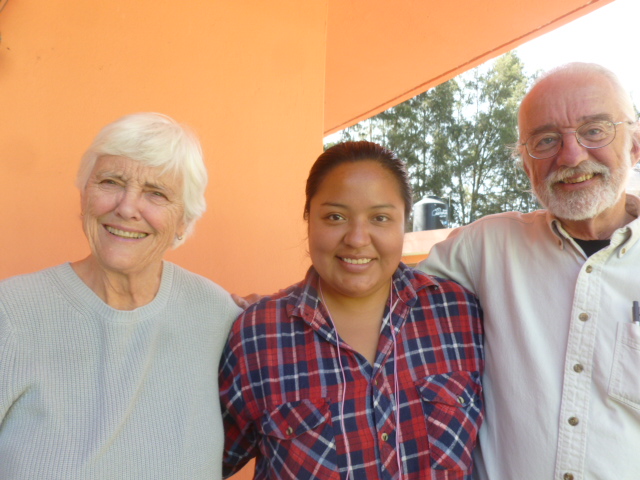
Rev. Lisania Martinez between Mary Martin and Fred Smith/Revda. Lisania Sustaita Martinez al medio de Maria y Federico
To become Protestant in heavily Catholic Mexico, to become an “evangelical Christian” as Protestants are referred to in Mexico, has political consequences. Exploring what the political dimensions of the evangelical calling might be is reflected on in the article below by Fred Smith of Minneapolis’ Lyndale United Church of Christ. Fred and wife Mary Martin are at the end of their two months in San Luis Potosi as participants in the immersion language, culture and church life experience offered by the Mesa Conjunta here to members of Disciples and UCC churches in the U.S. Read Mary’s reflections on their experience are found in the blog article “Good Neighbor Training” dated January 23, 2015.
In dialog with Fred’s commentary is a response written by Revda. Lisania Sustaita Martinez, associate pastor of Central Christian Church in San Luis Potosi and Education Coordinator of the Mesa Conjunta.
“Being Protestant in Catholic Mexico must not be easy.
Religion, culture, and politics are intertwined in Mexico in ways that are very complicated and difficult to separate. What is clearer, however, is that choosing to be a Protestant in Mexico can be a very different choice than it often is in the United States.
Catholicism permeates Mexican culture. One obvious example is that the Day of the Dead, November 2nd, is the most important and popular public holiday. Virtually every secular institution, public and private, is closed for people to celebrate, remember, and honor their ancestors in many different ways. Over 84% of the people here in Mexico self-identify as Catholic and the dedication of many is clear; the equivalent of almost one in seven Mexican Catholics make pilgrimage every year to the town of San Juan de Los Lagos in the state of Jalisco, central Mexico, to a venerated statue of the Virgin Mary. (In Mexico for more than five hundred years and with over 123 million members, the Catholic Church in Mexico is the world’s second largest; Brazil is the largest).
The situation in the United States, of course, is very different. According to the latest figures from the Religious Landscape Survey of the Pew Religion and Public Life Project, almost ninety percent of U.S. adults report some form of religious orientation even if unaffiliated with any religious organization. Of those who identify as “Christian,” two out of every three are Protestants, one out of every three is Catholic. Protestants are divided into several thousand different denominations and associations. Finally, almost half of all religiously affiliated adults have changed their affiliation at least once.
As an occasional visitor from the United States to Mexico, and having myself changed denominational affiliation (albeit from Disciples to UCC) it is difficult to appreciate the importance and consequences of the choice made by individuals in Mexico to join a Protestant church. It is certainly a religious choice but it is also a cultural and political choice. It separates a person from the dominant culture and is a political choice at least in the sense that consequences can include social and political ostracism. Evidently—according to the Protestants in Mexico I have met and come to know well enough to raise the subject with—while discrimination is not so evident in the larger cities, it can be quite damaging and even dangerous in small towns and rural areas.
Perhaps social and political consequences of being a Protestant in Catholic Mexico contribute to strengthening and explaining the vitality and depth, energy and spirit that have greeted us as we have had the priceless opportunity of getting to know members of the Disciples churches in San Luis Potosi. We will always treasure the friendships and lessons gifted us here. All thanks to the Mesa Conjunta and the Disciples CICE denomination of Mexico for making this experience possible.”
REV. LISANIA SUSTAITA MARTINEZ’S RESPONSE
In my view it is in fact a political response in the way it changes our perspective on the needs of people in our society. For most people in our country, to be religious has to do primarily with “spiritual” matters over and above the “material”. It is not often, for example, that you see churches (Catholic or Protestant) or church members involved in a public demonstration here. That may be changing in our times however.
I think it is time for our churches (Catholic and Protestant) to revisit the Biblical interpretation and whatever else might be behind the position that we are “of but not in the world” and the frequent separation from political and social issues based on the conviction that we are “citizens of heaven” and “short term pilgrims on earth”.
It may also be considered that our choice of a Protestant expression of faith carries political implications because most politicians in our country indirectly or directly address the Catholic Church and respond to that Church’s position.
*************************** *********************** *****************************
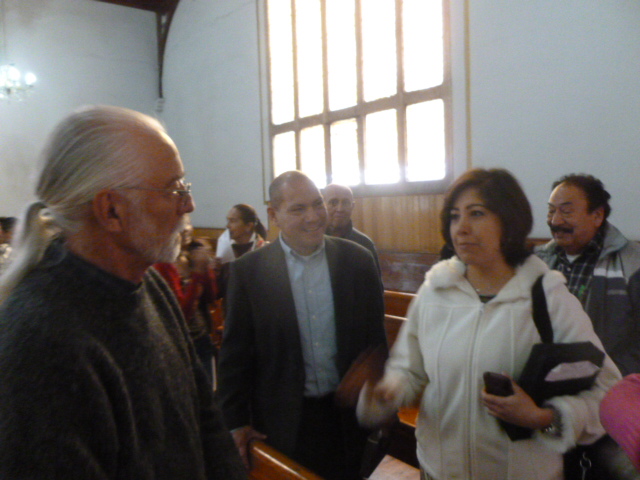
Federico conversando con miembros de la Iglesia Centrale despues del culto/ Fred in conversation with Central Chriistian members after worship last Sunday, Feb. 15, 2015
Llegar a ser protestante en México todavía tan fuertement Católica, llegar a ser un “Cristiano Evangelico” como se refiere a los Protestantes en Mexico, tiene consecuencias políticas. Explorar lo que es la dimensión política de esta decisión es el tema del siguiente artículo por Fred Smith de la Iglesia Unida de Cristo de Lyndale en la ciudad de Minneapolis en EE UU. Fred y su esposa Mary Martin se encuentran al final de sus dos meses en la ciudad de San Luis Potosí, como participantes en el programa de inmersión en el idioma, cultura y vida de la iglesia Mexicana ofrecido por la Mesa Conjunta a los miembros de los Discípulos de Cristo y Iglesias UCC en los Estados Unidos. Leer reflexiones de María sobre la experiencia en el artículo de este blog con fecha del 23 de enero 2015 y titulado “Entrenamineto en Ser Buen Vecino”.
Como en dialogo con los commentarios de Fred este blog concluye con una respuesta escrita por la Revda. Lisania Sustaita Martinez, Pastora Associada de la Iglesia Cristiana Centrale de San Luis Potosi y Coordinadora de Programas Educativos de la Mesa Conjunta.
“Ser el protestante en México católico no debe ser fácil.
La religión, la cultura y la política son entrelazadas en México de modos que son muy complicados y difíciles de separarse. Lo que está más claro, sin embargo, es que el deseo ser un protestante en México puede ser una opción muy diferente que a menudo está en los Estados Unidos.
El catolicismo impregna la cultura mexicana. Un ejemplo obvio es que el Día de los Muertos, el 2 de noviembre, es la fiesta nacional más importante y popular. Prácticamente cada institución secular, pública y privada, está cerrada para la gente para celebrar, recordar y honrar a sus antepasados de muchos modos diferentes.
Más del 84% de la gente aquí en México se autoidentifica como el católico y la dedicación de muchos está clara; el equivalente de casi cada séptimo católico mexicano hace la peregrinación cada año por la ciudad de San Juan de Los Lagos en el estado de Jalisco, México central, a una estatua venerada del Virgen María. (En México durante más de quinientos años y con más de 123 millones de miembros, la Iglesia Católica en México es el segundo más grande del mundo; Brasil es el más grande).
La situación en los Estados Unidos, por supuesto, es muy diferente. Según las cifras más recientes de la Revisión del Paisaje Religiosa del Proyecto de la Vida Pública y la Religión de la Fondación Pew, casi el noventa por ciento de adultos estadounidenses relata alguna forma de la orientación religiosa aun si no afiliado con cualquier organización religiosa. De aquellos que se identifican como “cristiano”, dos de cada tres son Protestantes, un de cada tres es el católico. Los protestantes están divididos en varios miles de denominaciones diferentes y asociaciones. Finalmente, casi la mitad de todos los adultos religiosamente afilados han cambiado su afiliación al menos una vez.
Como un visitante ocasional de los Estados Unidos a México y uno que ha cambiado de mí afiliación confesional (aunque de Discípulos a UCC) es difícil apreciar la importancia y las consecuencias de la opción hecha por individuos en México afiliarse a una iglesia protestante. Es seguramente una opción religiosa pero también es una opción cultural y política.
Separa a una persona de la cultura dominante y es una opción política al menos en el sentido que las consecuencias pueden incluir la exclusión social y política. Claramente — según los Protestantes en México quienes me he encontrado y he venido conocer bastante bien para levantar el sujeto con — mientras la discriminación no es tan evidente en las ciudades más grandes, puede ser completamente perjudicial y hasta peligroso en pequeñas ciudades y zonas rurales.
Las consecuencias quizás sociales y políticas de ser un protestante en México católico contribuyen a refuerzo y explicación de la vitalidad y profundidad, energía y espíritu que nos han saludado ya que hemos tenido la oportunidad inestimable de llegar a conocer a miembros de las iglesias de Discípulos en San Luis Potosí. Siempre atesoraremos las amistades y lecciones dotadas nosotros aquí. Todo gracias a la Mesa Conjunta y a los Discípulos (denominación de CICE) de México para hacer esta experiencia posible.”
LA RESPUESTA DE REVDA. LISANIA SUSTAITA MARTINEZ
Hablamos de una elección política, en mi opinión, siempre que esa elección por ser protestante cambia nuestra manera de ver las necesidades de nuestra sociedad. Porque de hecho, la idea tradicional sobre ser religioso en México es que lo “espiritual” es lo más importante y está por encima de lo material. No es frecuente, por ejemplo, ver una iglesia (católica o protestante) caminando por las calles, unida a los manifestantes. Pero esto está cambiando hoy día.
Tengo qué decir, que toda iglesia cristiana (católica o protestante) debe hacer algo respecto de la interpretación tradicional de el “estamos en el mundo pero no somos del mundo” ya que frecuentemente la gente religiosa se separa de sus responsabilidades políticas y sociales debido al concepto o idea de que “somos ciudadanos del cielo/somos peregrinos en esta Tierra”.
Quizá también es una elección política porque los partidos políticos de nuestro país suelen responder, aunque no sea de manera explícita, a la fe católica.
Gracias a Dios!

A satisfied customer, Kate!, after a lunch of tacos at this stand next to the Plaza in Soledad.
We live not in San Luis Potosi, the State Capital, but in what was until thirty years ago a farming community on the outskirts. Soledad de Graciano Sanchez has grown enough to be considered a “municipalidad”, a city in its own right, with an annual Enchilida Fiesta where the famous norteño band “Los Tigres del Norte” played last year. But it retains the friendly, easy going atmosphere of the small town it has been until recently.
Less than five minutes from the seminary, I enter “Soledad” on a one way street that leads to the town plaza. Three blocks up the street, a pile of tires on the right must be the repair shop I’m looking for. Yes, the owner says, he can right now check out why two of my tires are losing air. He pounds a tire rim with a small sledge hammer before handing it over to an apparently satisfied prior customer, then approaches to jack up our vehicle.
After he shows me a two inch nail extracted from my second tire, I decide a third tire would also benefit from his attention. Before
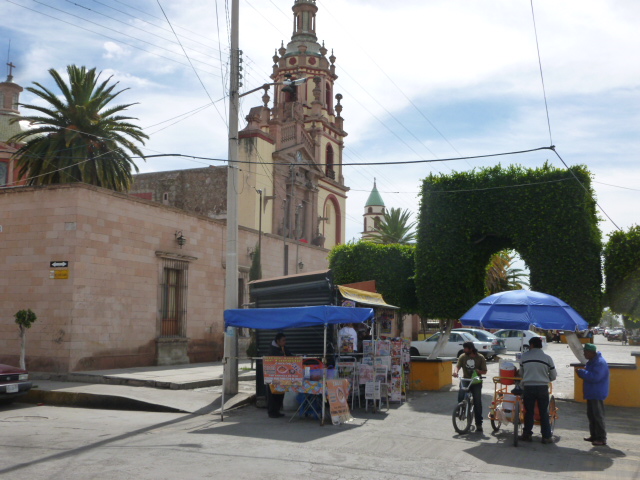
The Plaza Cathedral of Soledad de Graciano Sanchez
proceeding he hands me the morning paper while making a scanning gesture with the other hand. Three tires fixed for one hundred thirty pesos, less than ten dollars, and I’m off to the post office on the other side of the plaza.
Jorge, the only staff in the post office, greets me with a handshake and smile. The papers I’ve returned to complete the renewal of our post office box for another year are complete. But there’s a hitch. We can’t be issued a “factura” or official receipt unless we have a taxpayer i.d. number. So he spends two minutes on the phone talking with someone about how or whether to issue a “factura” to a non tax-paying foreigner.
Somehow, the issue is dropped and he hands me a square of paper showing the amount paid that he has thunderously stamped with a seal. He tells me that when he worked in the States, in the Elkhart, IN area, some friends gave him a tax payer i.d. and a name to use. The deductions from his pay check, I tell him, may benefit someone in their retirement years. He doesn’t remember the name now but seems pleased that “Jesse James” or someone with such a name may benefit with a larger social security check thanks to his work.
We then discuss whether the $100 he deposited in a U.S. savings bank may still be there. After thirty years, I suggest it is highly unlikely. Would I have to change a law to get my money back he asks? Yes, I imagine that’s what you’d have to do – at a cost far above your $100. We
Sylvia and Coco’s corner grocery bears this mural of the Virgin of Guadalupe
laugh and that ends the conversation. I’ve been calling the post office to see if we have mail but I realize on leaving that I miss dropping in for a random conversation now and then.
At the “abarrotes” small corner grocery, my final errands stop, Coco and mother Sylvia reject the pineapple I bring to the counter. And a second and third that Sylvia extracts from the bin. Bad spots they concur. One undamaged pineapple is found but the search has pained Sylvia’s sore hand. I tell her she bears up well; it must your strong spirit I suggest. “Thanks be to God” I conclude. She shrugs her shoulders. I reflect on the possibility that her testimonies of faith as a Catholic could be more confined to joint public displays. Although her outside wall is covered by a mural of the Virgin of Guadalupe, she has yet to refer to her faith in our conversations.
I’m reminded by this encounter of Nadya, Pastor Rogelio and Heidi’s 8 year old daughter, who regularly declares in our exchange of greetings, “I’m doing well, thanks be to God!” And I sometimes reply to Nadya, “Me too, gracias a Dios!”
*********************** *********************** **********************
Gracias a la Revda. Lisania Sustaita Martinez por su ayuda con la traducción
Vivimos no en San Luis Potosí (la capital del estado), sino en lo que era hasta hace treinta años una comunidad que cultivaba la tierra en las afueras. Soledad de Graciano Sánchez ha crecido bastante para considerarse ya una “municipalidad”, una ciudad en su propio derecho, con un Festival de la Enchilida anual donde la banda norteña famosa “Los Tigres del Norte” tocaron el año pasado. Pero retiene la atmósfera amistosa y tranquila del pueblo que ha sido hasta hace poco.
A menos de cinco minutos del seminario, entro en “Soledad” en un camino que lleva a la plaza de la ciudad. Tres cuadras calle arriba, un montón de neumáticos a la derecha debe marcar el taller de reparación que busco. Sí, el dueño dice, puede comprobar ahora mismo por qué dos de mis llantas pierden el aire. Golpea los rines de una llanta con un pequeño mazo antes de darlo a un cliente previo por lo visto satisfecho, luego se acerca para levantar y después revisar nuestro vehículo.
Después de que me muestra un clavo de dos pulgadas extraído de mi segundo neumático, decido que una tercera llanta también se
Mural callejera con la figura de Graciano Sanchez, educador y organizador de ligas de campensinos . /A street mural depicting Graciano Sanchez, educator and organizer of farmers
beneficiaría de su atención. Antes de seguir me da el periódico de la mañana haciendo un gesto de exploración con la otra mano.
Tres neumáticos arreglados por ciento treinta pesos (menos de diez dólares) y me dirijo a la oficina de correos al otro lado de la plaza.
Jorge, el único personal en el correo, me saluda con un apretón de manos y una sonrisa. Los papeles que he devuelto para completar la renovación de nuestro apartado de correos para el nuevo año están completos. Pero hay un detalle. No pueden entregarnos una “factura” o recibo oficial, a menos que tengamos un i.d. de contribuyente y número. Así que Jorge gasta dos minutos por el teléfono hablando con alguien sobre cómo o si es posible despachar un “factura” a un extranjero no contribuyente de impuestos.
De alguna manera, la cuestión se dejó caer y me da un papelito mostrando la cantidad pagada después de haberlo sellado estruendosamente con un sello. Me dice que cuando trabajó en los Estados Unidos del norte, en Elkhart, estado de Indiana, algunos amigos le dieron un i.d. de pagador fiscal y un nombre de usuario. Las deducciones de su sueldo, le dije, pueden beneficiar a alguien en sus años del retiro. No recuerda el nombre ahora, pero parece contento que “Jesse James” o alguien con tal nombre se puede beneficiar con un cheque mensual de seguro social más grande gracias a su trabajo.
Entonces hablamos si $100 dolares US que depositó en una cuenta de ahorros de un banco estadounidense todavía pueden estar allí. Después de treinta años, sugiero que es muy improbable. ¿Tendría que cambiar una ley para recuperar mi dinero? me pregunta.
Sí, supongo que esto es lo que tendría que hacer – a un costo lejos encima de sus $100 US. Nos reímos y esto termina la conversación.
He estado llamando al correo para ver si tenemos un correo pero me doy cuenta en la salida, con esto, que me falta una conversación agradable de vez en cuándo.

Este mural exhorta a los padres y los niños de una escuela primaria de Soledad/ A mural exhorting parents and children of a Soledad primary school.
En la pequeña tienda de comestibles de la esquina “abarrotes”, mi parada de diligencias final, Coco y la madre Sylvia rechazan la piña que traigo al mostrador. Y una segunda y tercera que Sylvia extrae del recipiente. Puntos dañados, ellas concluyen. Una piña intacta es encontrada pero la búsqueda ha hecho doler la mano de Sylvia. Le digo que resiste bien; debe ser gracias a su espíritu fuerte -le sugiero-. “Gracias a Dios” concluyo y ella encoge sus hombros.
Reflexiono sobre la posibilidad de que sus testimonios de fe como una católica pudieran ser más encajonados luego de demostraciones públicas. Aunque la pared exterior de su tiendita sea cubierta por una pintura mural de la Virgen de Guadalupe, no le parece apropiado a ella remitir a su fe en nuestras conversaciones.
Me recuerda este encuentro de Nadya, la hija de 8 años de Heidi y Pastor Rogelio, que con regularidad declara en nuestro cambio de saludos, “estoy muy bien, gracias a Dios!” Y a veces contesto a Nadya, “Yo también, estoy bien gracias a Dios”.


 Erasing Borders