The Fossil Fuel Era is Over
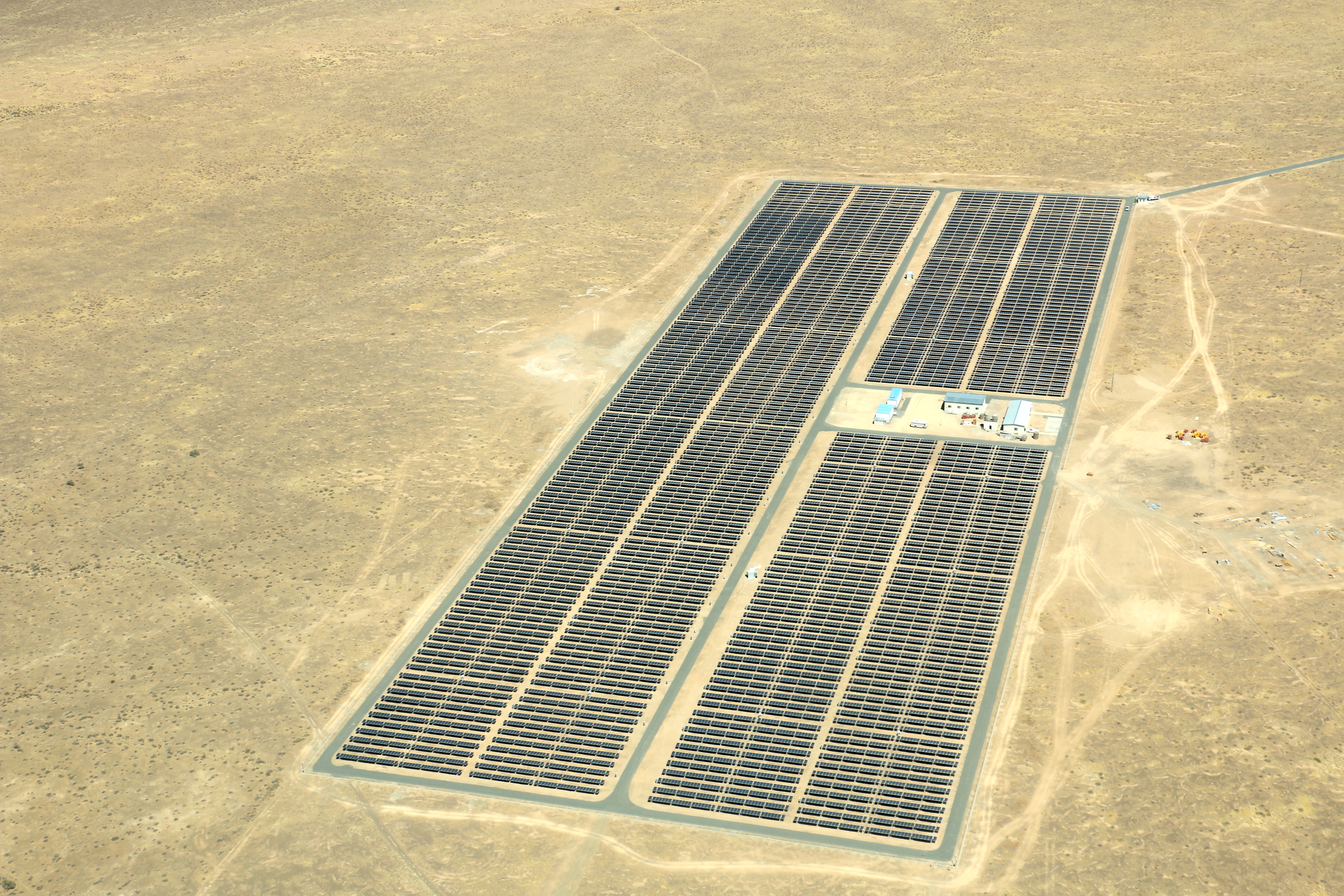
In the year the U.S. elected a President well known to be a denier of the global climate crisis, the world had an important milestone to celebrate. Shortly before the gloom and doom brought on by the policies and pronouncements of the new administration, the cost of producing energy from capturing sunlight dropped below the cost of fossil fuel generated energy. This development surprised even the best informed energy experts. The Bloomberg journalist assigned to tracking solar power progress, Jenny Chase, told the New York Times in 2024, “I simply can’t believe where we are with solar.” She concluded, “There is genuinely a revolution happening.”
The revolution was happening worldwide. Apartment residents in Italy were hanging solar panels from their balconies The Times reported. In Pakistan people were laying panels on the ground to provide electricity. As the cost of solar generated power had dropped significantly below that of fossil fuels, Pakistani farmers were purchasing solar panels with no government subsidies. It was estimated that use of solar power in the Middle East would grow from 2% in 2023 to providing half of the oil-rich region’s energy needs by 2050. In the month before the U.S. election the International Renewable Energy Association declared the costs of solar power had dropped below half the cost of the cheapest fossil fuel alternative. Even the Kentucky Coal Mining Museum had installed solor panels with the expectation of cutting its costs by 10% a year.

The “revolution” Jenny Chase reports on has been celebrated by the leading U.S. anti-fossil fuel activist Bill McKibben in his book published last year Here Comes the Sun. A comprehensive survey of the worldwide growth of renewable energy use, McKibben revels in the progress of renewables in the U.S. “On election day 2024, California produced 100% of its energy from solar, wind and hydropower. By the end of ’24 the State had cut natural gas consumption 25% from the year before and by the spring of 2025 its use had dropped another 43%. “That’s the most hopeful statistic I’ve seen in 40 years of writing (around 20 books, ed.) about our predicament” he declares in his latest book.
More surprising than the CA progress is the fact that Texas now leads the U.S. in implementing renewables. In 2024 the State installed more solar panels than 39 states have ever installed. Last year TX expected to install more clean energy sources than CA and AZ combined. After TX survived a late spring heat wave with no blackouts of its power grid, The Houston Chronicle urged the State legislature to stop “strangling the wind and solar projects in the hope of reviving the natural gas market”. Equally shocking to observers of U.S. politics was the resignation prior to the ’24 election of ultra conservative Rep. Marjorie Taylor Greene from Congress. Would building in her District of the largest solar panel factory in the Western Hemisphere have had anything to with her stepping down?
Current wars in the Middle East and rising costs of fossil fuels propel the drive to make the transition to renewable energy sources of power. Eighty per cent of the world’s countries in the early 2020’s were net importers of fossil fuels. Their trade deficits and debt burdens largely resulted from dependence on fossil fuel imports. Non-profits, private enterprise and international agencies are now financing renewable projects on every continent. Cutting the costs of energy even in the poorest nations means everyone can benefit with installing renewables. Experts and officials with renewable experience emphasize the falling cost since the first solar cell was invented in 1954 in New Jersey and the first wind farm put up in the late 40’s. Ten years after The Economist British journal declared solar and wind to be by far the most expensive energy sources available the magazine published in 2024 a special issue “The Dawn of the Solar Age”. In a summary of the issue they stated, “An energy source that gets cheaper the more you use it markes a turning poin in industrial history.” Read the next Erasing-Borders blog post for examples of how poor nations are making the transition from fossil fuel and quickly benefiting.

Posted on April 20, 2026, in Mexican Directors' Impact on Hollywood, U.S. Political Developments, U.S. transnational corporations and tagged Costs of Renewable Energy sources compared to Fossil Fuels, Expansion of Renewable Energy Worldwide, Progress in Texas in solar and wind power. Bookmark the permalink. Leave a comment.


Leave a comment
Comments 0