Blog Archives
U.S. Wars Renew Calls for United Nations’ Reform
The United States’ flagrant violations of international law in its current warfare on three continents have disqualified my homeland as a preserver of peace and security in the world. The U.S. administration’s unilateral and blatant disregard of the norms of conduct in warfare has crippled the world’s instruments of peacekeeping. In sum, the first year of this U.S. administration has significantly weakened the nation’s stature as a world leader and cast doubt on its willingness or capacity to resolve disputes apart from military deployments.
In an Opinion essay in England’s The Guardian newspaper, President Lula da Silva of Brazil recently echoed the long standing appeal by Global South leaders for significant reform of the U.N. peacekeeping structures. The leader of the largest nation in South America, and a powerful global trading partner, wrote in last month’s essay, “Wielding the veto as both a shield and a weapon, its (the UN Security Council’s) permanent members too often act without grounding in the UN charter. They play with the fate of millions, leaving a trail of death and destruction.” The U.N. Charter presently preserves the power of nations seen as the victors post WW II. No Permanent Member of the Security Council (U.S., U.K., France, Russia, China) represents Africa, Latin America or South Asia.
The Brazilian President titled his essay, “The security council has allowed unchecked power and brutality. To protect peace, we must reform the UN”. His argument for reform, particularly diminution of the power of the Security Countil permanent members, is primarily based on three observations: 1) “The world is witnessing the highest number of armed conflicts since the second world war.” 2) Little attention is being paid to the distinction between military and civilian targets. “The selection of military targets is already being carried out by artificial intelligence, without legal or moral parameters in place”. 3) “Military spending globally, now about $2.7tn, absorbs valuable resources.”
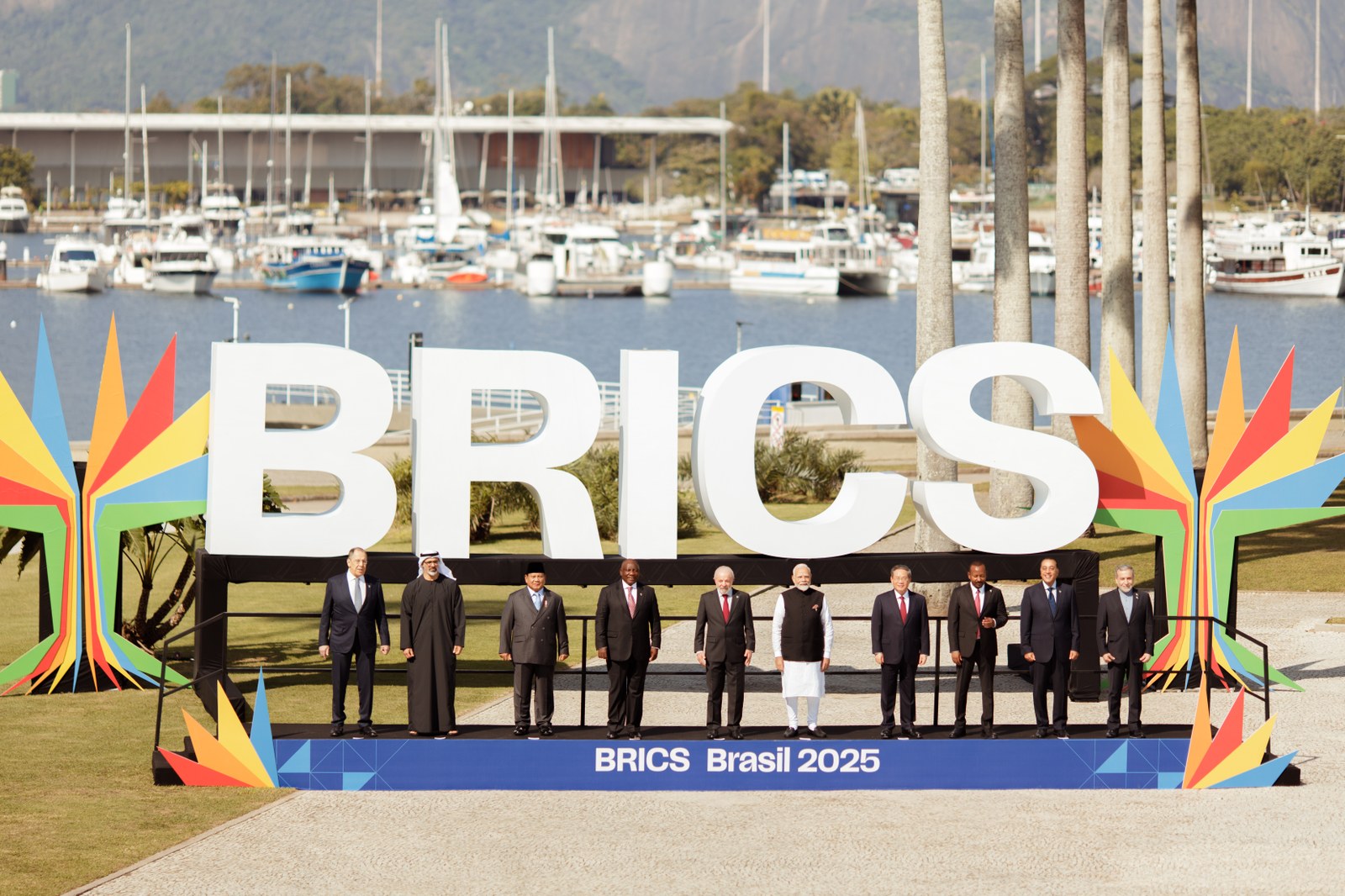
Lula had just completed his one year term as Chair of the 2025 BRICS Summit when his statement was published. With Global Governance being recognized as one of Brazil’s priorities for the 2025 Summit, his position carries some weight. The BRICS member states, Brazil, India, China, Russia, South Africa and Indonesia, produce half of the world Gross Domestic Product and make up over half the population. Assuming the rotating Chairmanship in 2026 is Modhi of India who also has called for reorganizing the Security Council. In the absence of any official declaration at the conclusion of the 2025 Summit, Lula’s essay might be considered as voicing an aim of Global South nations by this powerful new alliance.
To read President Lula’s complete Guardian essay copy and paste to your browser this link:


 Erasing Borders