Blog Archives
Renewable Energy Frees National Economies
Renewable Sources and National Soverignty
For most countries lacking fossil fuel reserves the increased cost of oil due to the war on Iran will mean more indebtedness. Loans from the World Bank and/or the International Monetary Fund (IMF) will come at the high cost of austerity measures cutting government services ranging from subsidies for the poor to health systems and education. The lending country often will also be required to transfer extraction of vital natural resources from the government to private enterprise.
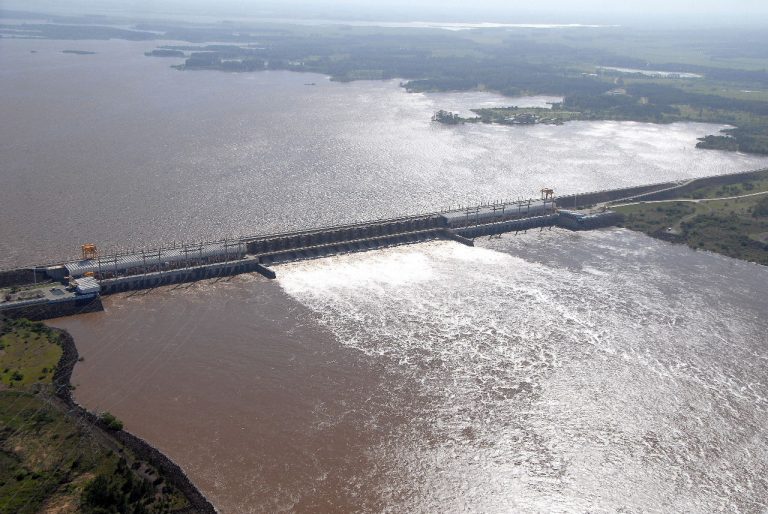
Although Uruguay lacks fossil fuels in its subbsoils, it will escape the pressures of relying on the world financial system due to its transition to renewable energy sources. This was accomplished thanks to nearly half of its power coming from its dams on major rivers and the renewable energy commitment of the leftist-liberal Broad Front coalition which gained the Presidency and legislative control for the first time in 2005.
When a NYT journalist interviewed Uruguayans in 2023, he referred to the country’s transition to renewable energy as a Latin American revolution and was surprised by the common response: “Well, there wasn’t really a revolution in the Latin American sense. It was that we were worried about sovereignty. We were worried about the future. We were worried about our economy being yoked to commodity prices that were being affected by global wars that were very far away from Uruguay.”
Wind Power Led the Way
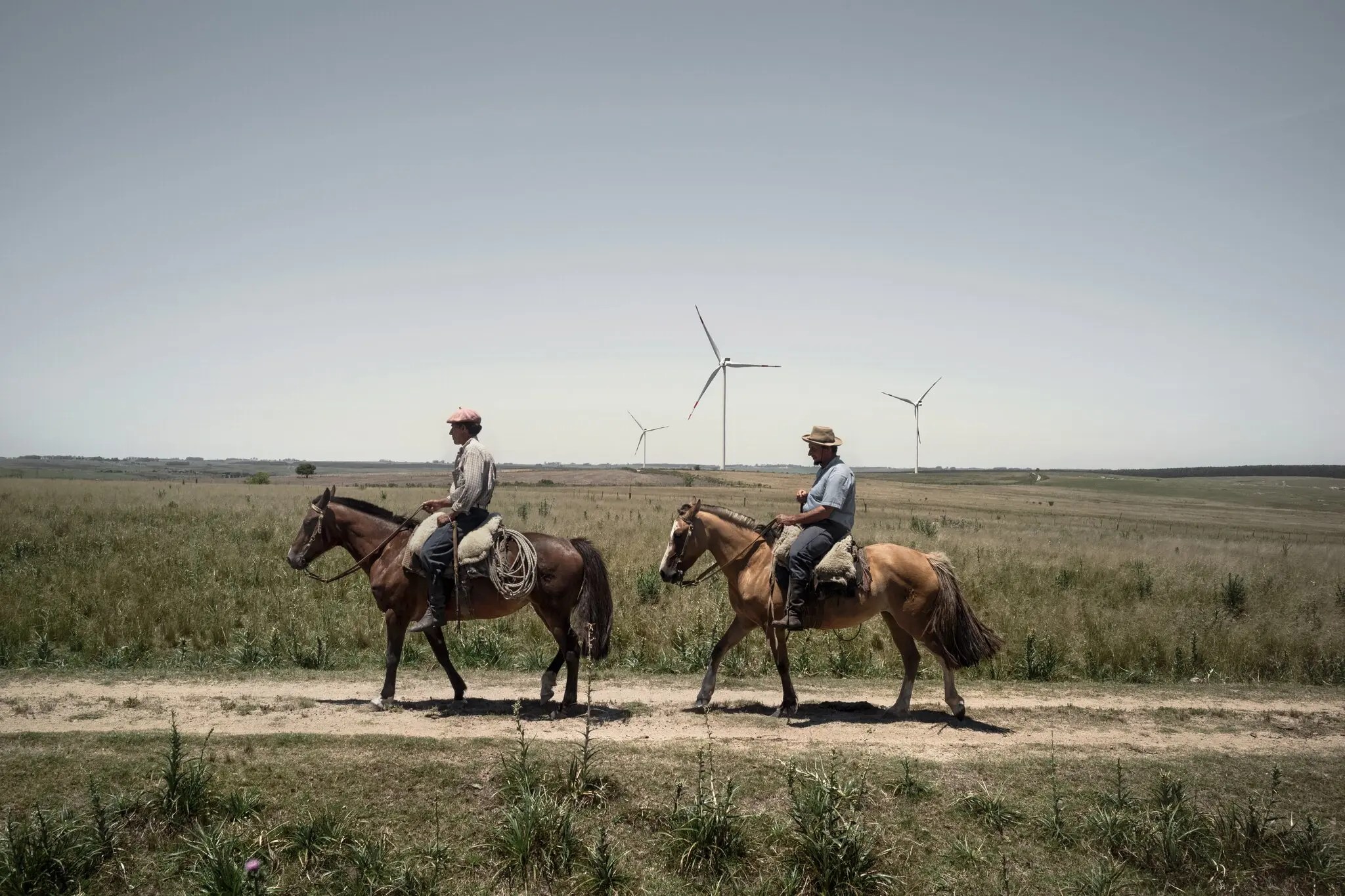
When the Broad Front took power, it was evident that the increases and fluctuations in the price of natural gas and oil restricted their ambitions to develop social services and reduce inequality in Uruguay. Rather than continuing to devote over 2 % of the Gross Domestic Product to fossil fuel purchases, the Broad Front coalition created a National Directorate of Energy as one of its first acts. Growth of wind power through public-private partnerships was the new Department’s first emphasis.
Within a few years, wind power was supplying over 30 per cent of Uruguay’s energy needs, had provided jobs to 50,000 workers and enabled smaller, family farms to survive in the face of rising costs. After fifteen years of coalition rule (2005-2020), wind, hydro and biofuel combustion accounted for 98 % of the country’s power.
Largely due to the development of the wind power grid, by 2020, Uruguay’s nation wide power company had made electricity available in every home in the country and all its rural schools. Heading the company, known as UTE, for a decade was an electrical engineer who now states that he’s always considered delivery of power as a tool of income redistribution.
Energy Savings Enabled Social Services Reforms
When the leftist Coalition ceded power to a neoliberal one in 2020, multiple social reforms had been implemented and a National Health Service created. The poverty rate had dropped from nearly 20 % when the Broad Front began to rule to 8.8 % in 2019. Much of the progress in reversing hardships of the poor was made possible by savings in the energy sector.
The Director of the Energy Department has stated,“We didn’t need to depend on imported fossil fuels or on the energy markets or the energy fluctuation of energy commodity prices. So there was a better solution” . Although trained as a nuclear physicist, the Directer of the new Department has also stated that nuclear energy was ruled out early in Uruguay’s transition to renewable sources. “I realized that this was not the best solution for us because we still are having to continue importing technology, importing uranium. We don’t have uranium, either” he points out.
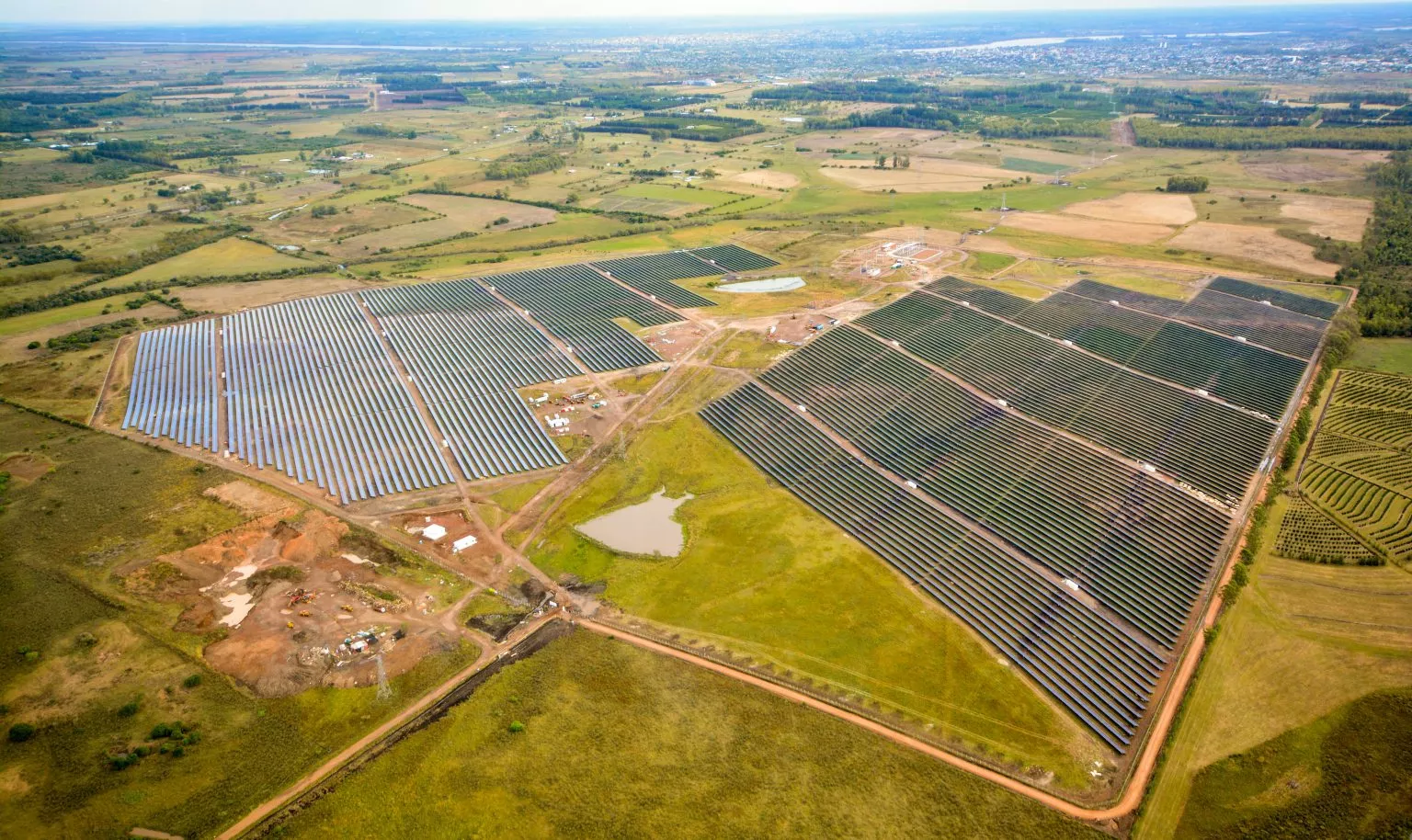
With solar energy now contributing less than 5% to the power grid, its development will be the primary aim of the new Department of Energy with the Broad Front’s 2025 return to the Presidency. Savings gained with the minimal use of fossil fuels will be devoted to new solar projects and further upgrades of the nation’s power grid. Uruguay now leads poor nations in relying on their own natural resources to supply all their energy needs. The country is at the front in demonstrating the benefits of transforming the world’s economic order from one with a fossil fuel engine to a system powered by domestic energy sources.


 Erasing Borders