Uruguay from Dictatorship to Democracy
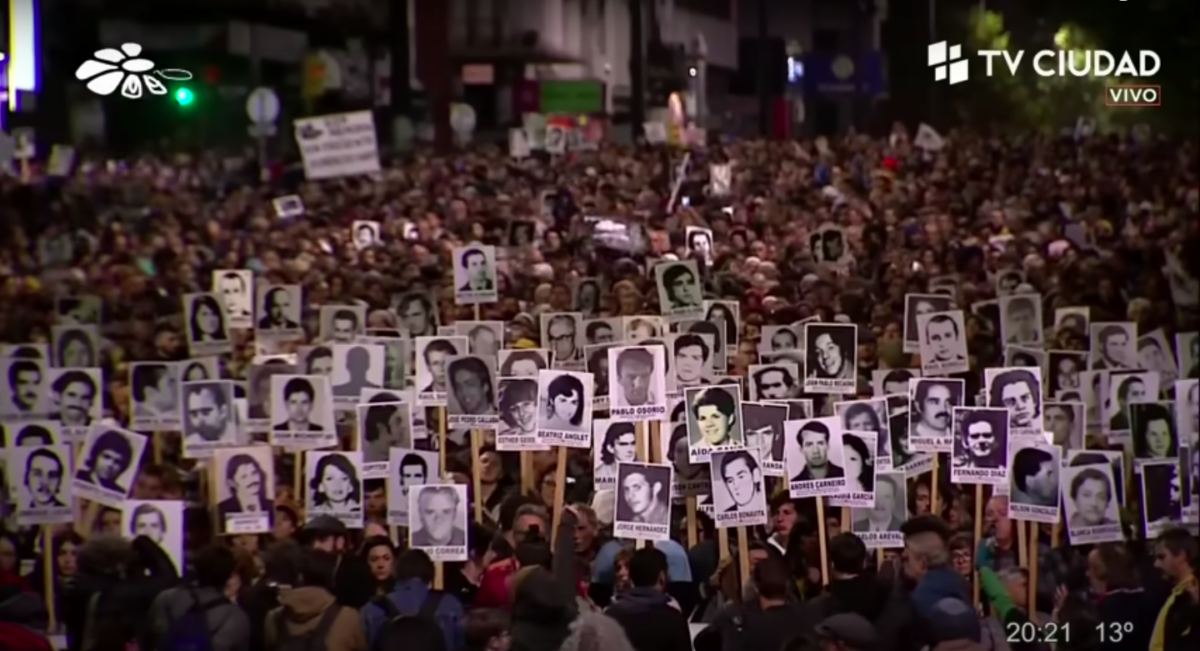
On May 20 for the past 28 years thousands have marched in 77 places across Uruguary and abroad in remembrance of those disappeared and detained by the military dictatorship from 1973 to 1985. Marchers call silently for “State terrorism never again”.
In Uruguay, shortly before the November 1971 Presidential election was held, the Broad Front, a coalition of leftist political parties was formed. Authoritarian regimes in Brazil and Argentina along with the United States feared another democratically elected socialist victory like Allende’s in Chile the previous year. The Uruguayan election was held against a background of an economy and a government in shambles and a growing Tupamaro guerrilla threat. U.S. National Security files indicate that the “superpower” feared the rise of the Broad Front coalition more than the Tupamaros.
Despite the election of a conservative President and defeat of the coalition, amidst multiple reports of harassment of its candidates, the U.S. increased its “security training” of the Uruguayan police and army. Failure of measures to improve worsening economic conditions and increased activity of the Tupamaros led to take over by the military in 1973. Brutal repression of dissent and advocacy of leftist policies were met by incarceration and torture on the advice of U.S. security advisors. During the military rule from 1973 to 1985, even mention of the word “politics” or “Tupamaros” could lead to imprisonment. For several years, Uruguay led the world in percapita jailing of political prisoners.
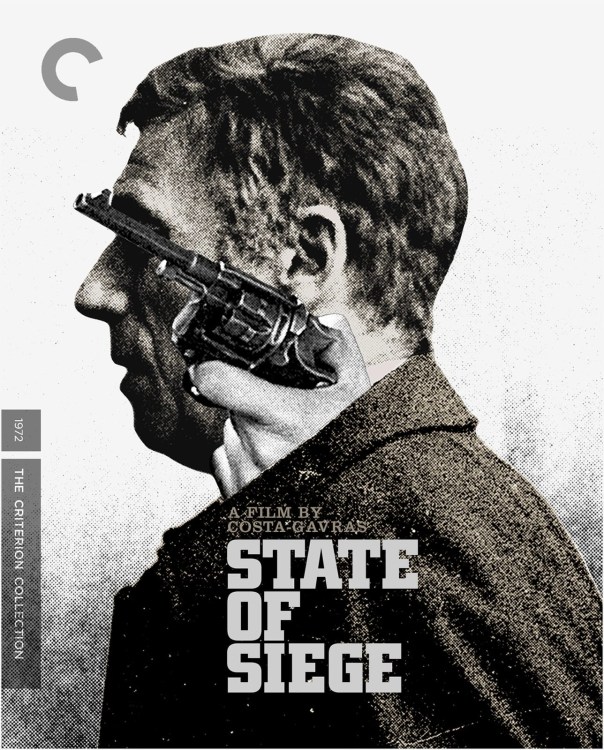
The 1972 film “State of Siege” by the makers of “Z” was inspired by the Uruguayan military’s violent repression of the Tupamaros guerrilla movement.
By 1984 the country formerly known as “the Switzerland of Latin America” had declined further and elections were held. Bolstered by rising prices for its exports, moderate to conservative governments held on to power until the historic election of the Broad Front Presidential candidate in 2004. With the Government implementing a plethora of economic and social policy reforms Uruguay became a showcase for democratic progressive rule in Latin America and indeed the Western Hemisphere.
When Tabare Vazquez of the Broad Front came to power in 2005, the rate of poverty measured 40 percent but by 2020 had dropped to under 9 percent. As the country with the lowest economic inequality in South America, Uruguay created a National Health Service for all its citizens. Pro labor legislation was approved, financial regulation, tax and pension reform enacted. Major increases in the minimum wage and social welfare payments contributed significantly in lowering economic inequality and poverty in the country.

The second Broad Front President, Jose “Pepe” Mujica, was known internationally as the “poorest President” in the world. As a Tupamaro combatant he was tortured and jailed for thirteen years under the most severe conditions. While President he drove an old VW Beetle, lived in a modest farmhouse and gave away 90 percent of his salary to organizations serving the poor and marginalized. Under his leadership (2015-20) the Congress made abortion legal and approved gay marriage. In a move to counter drug cartels’ control of the illicit drug trade, Uruguay became the first nation in the world to legalize marijuana production and consumption. The first Latin American nation to grant women the right to vote in 1927, the Broad Front led by Mujica’s party restored Uruguay’s standing as one of the most progressive democracies in the Western Hemisphere.
In retirement, he and his wife, also a former Tupamaro combatant, grew chrysanthemums at their farm and continued to drive the Beetle. At “Pepe” Mujica’s funeral procession last year, 100,000 Uruguayans honored his courageous commitment to the poor and the advance of his country.
In the next blog, erasing-borders will delve into his philosophy of the good life and his vision for the country’s future. We will consider how he contributed to Uruguay becoming a world leader in renewable energy production.
***************************
For more on the era of military rule and U.S. involvement in creating the security apparatus see:
Hidden Terrors by A.J. Langguth
Starring Yves Montand as a U.S. security agent kidnapped by the Tupamaros, “State of Siege” received a 7.7 rating from critics and movie goers. It can be seen on Prime Video.

Posted on February 27, 2026, in Solidarity, Community and Citizenship, U.S. Political Developments, Uruguay and tagged Jose "El Pepe" Mujica, Jose Mujica Funeral, Uruguay politics, Uruguay recent history, Uruguay renewable energy production. Bookmark the permalink. Leave a comment.


 Erasing Borders
Leave a comment
Comments 0