What a Progressive Democracy Looks Like: the Case of Uruguay
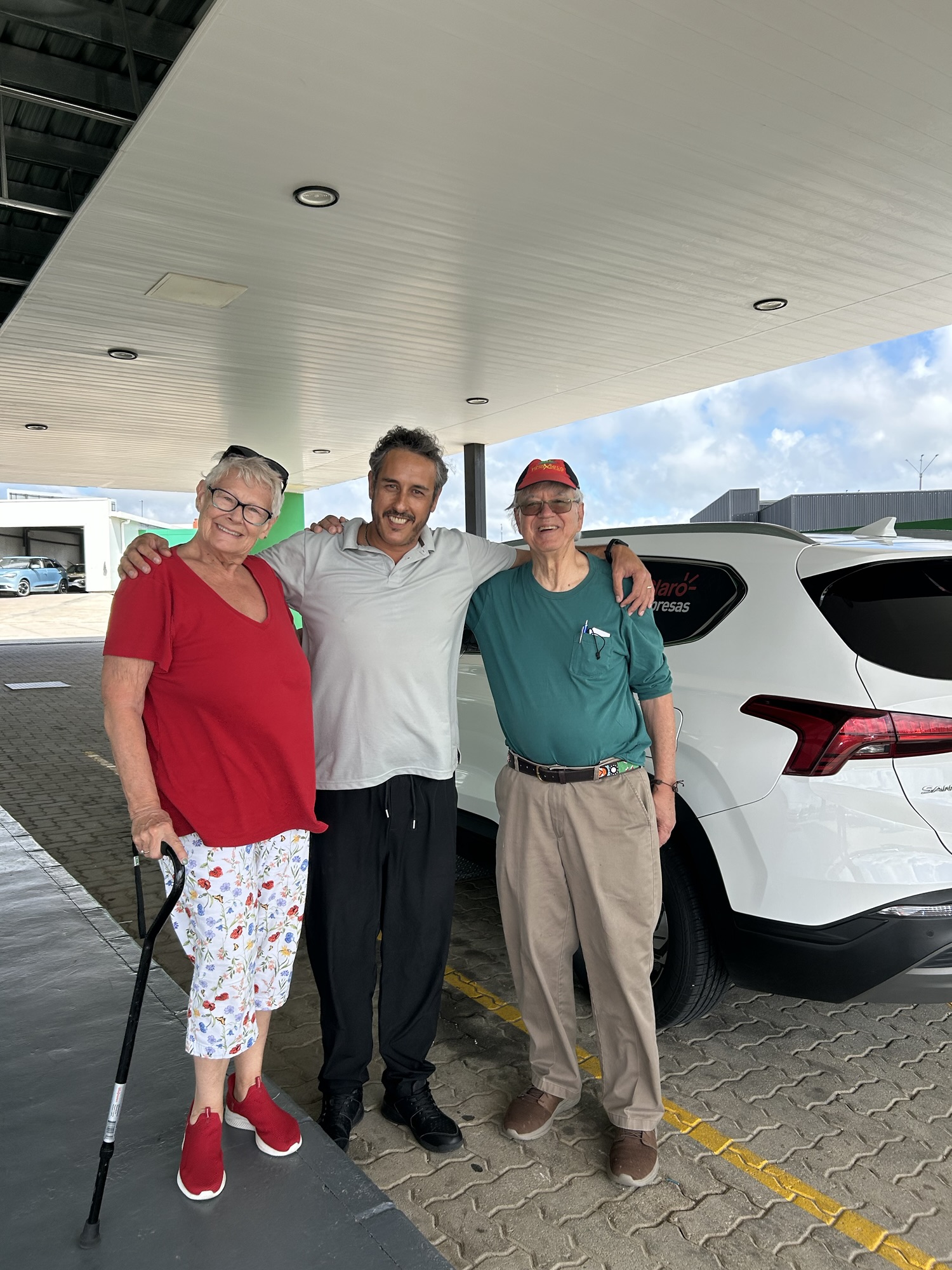
Omar, our taxi driver from the Montevideo airport was a lifelong resident of the capital. We didn’t learn the origin of his Arabic name but we asked about the name “Azul” tattooed on his arm. It served him as a perpetual reminder of the infant daughter he had lost years ago. Omar did not hesitate telling us more about his family of four and the large extended family as he guided us around the capital on six occasions.
On the trip to our hotel he called attention to the sprawling Roosevelt Park across from the Rambla (“malecon” in Mexico) paths and avenue bordering the inland sea. Over 350 kms. wide at Montevideo the estuary of the Rio de la Plata (named after the silver the Spaniards never found upriver) appears to be the Atlantic Ocean that washes Uruguay’s long shoreline beginning an hour’s drive away.
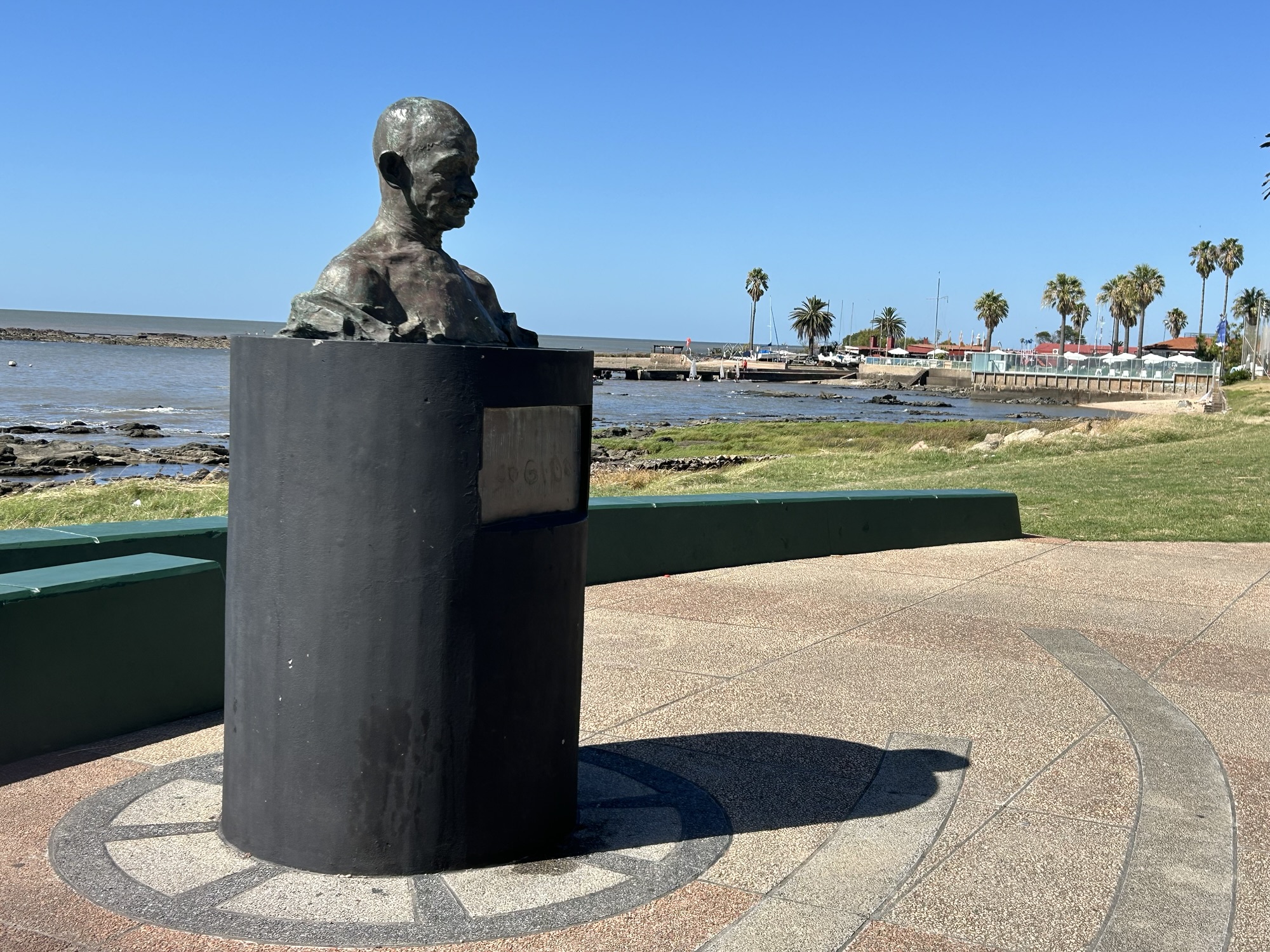
Along the rambla, the architecture of the older apartment buildings and homes of the wealthy brought to mind the diverse European cultures represented by the 19th century immigrants to the country. Italian and German styles predominate though one or two residences appear to commemorate the heritage of wealthy Swiss citizens. Our destination was a short walk from the “Gandhi Rambla” and the bust of the pioneer of non violent struggle.
Before arrival at the hotel, on Omar’s advice, we stopped at a gas station adjoining a currency exchange. There we had to deal with Uruguay’s policy of requiring dollars in cash in the exchange for pesos. So our multiple cards in hand would not be accepted and we would have to be content with leaving most of the dollars we could dig up in the country. Fortunately most of the restaurants and even small businesses would accept our credit cards and our meal servers usually told us that with use of a card no tax would be charged visitors to Uruguay.
After a good dinner and comfortable rest, we were met with the most disagreeable surprise of the journey. The Italian cruise company, MSC Cruises, denied us embarking for the voyage up the Uruguayan and Brazilian coast to Rio. Boarding passes in hand we encountered the Italian non-Spanish speaking agent who explained that without having received the Brazilian visa we had applied for we could not enter the territorial waters of that country. The visa requiredment is one of several measures of “reciprociaty” implented by Brazil last year in response to Trump’s imposition of a 50 % tariff on the import of goods from that country.
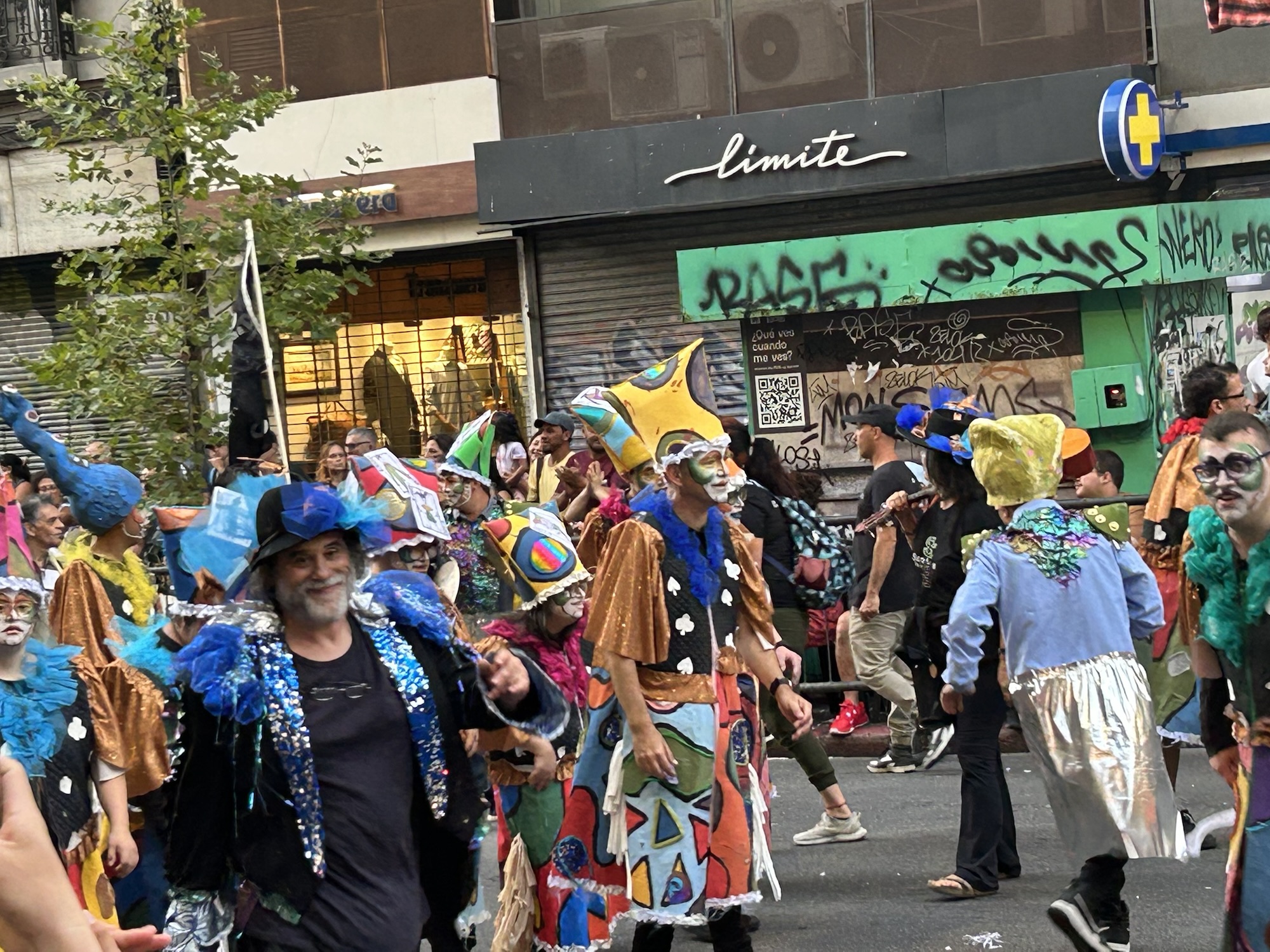
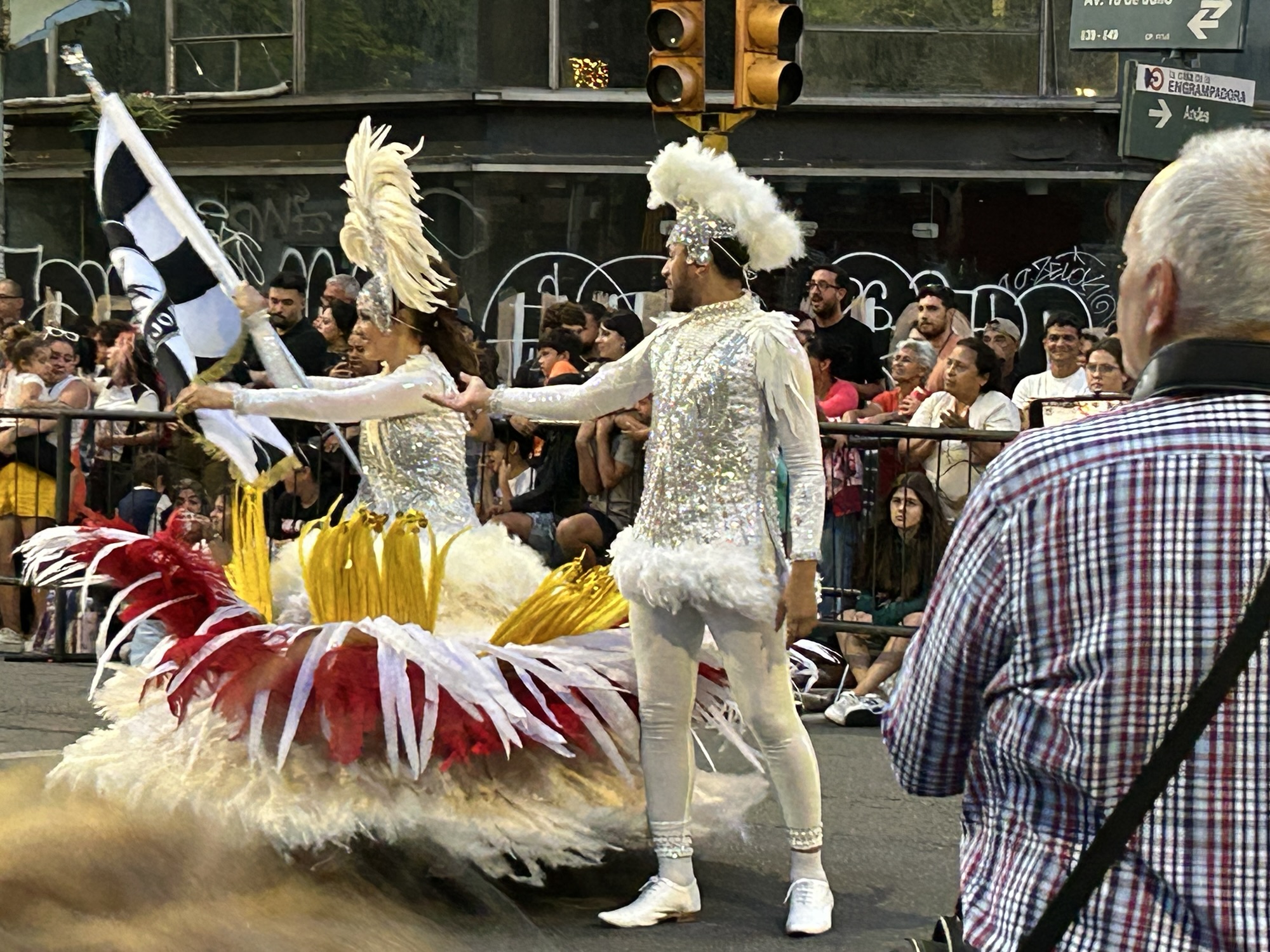
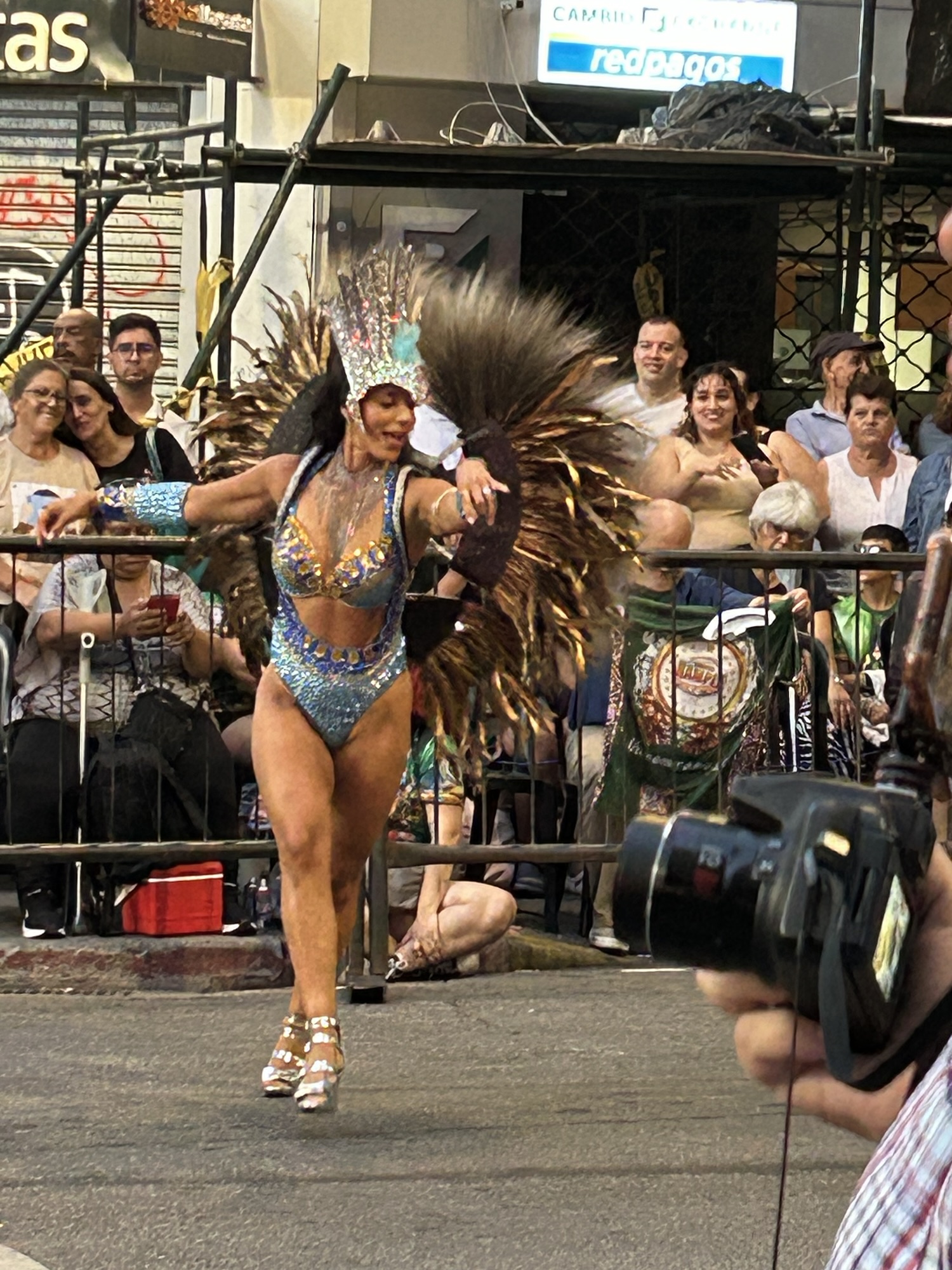
This disheartening news left us with eight more days in Uruguay we had not planned for. Overcoming her anger and disappointment, my partner Kate booked five nights in a hotel in the center of the City’s social and cultural life. Three blocks from the hotel the following night Montevideo’s main street would be electric with dancers and spectators celebrating the opening of the world’s longest Carnaval festival. For the next forty days barrios and leading cultural venues would feature music and dance, theater and mime, social and political commentators and humorists.
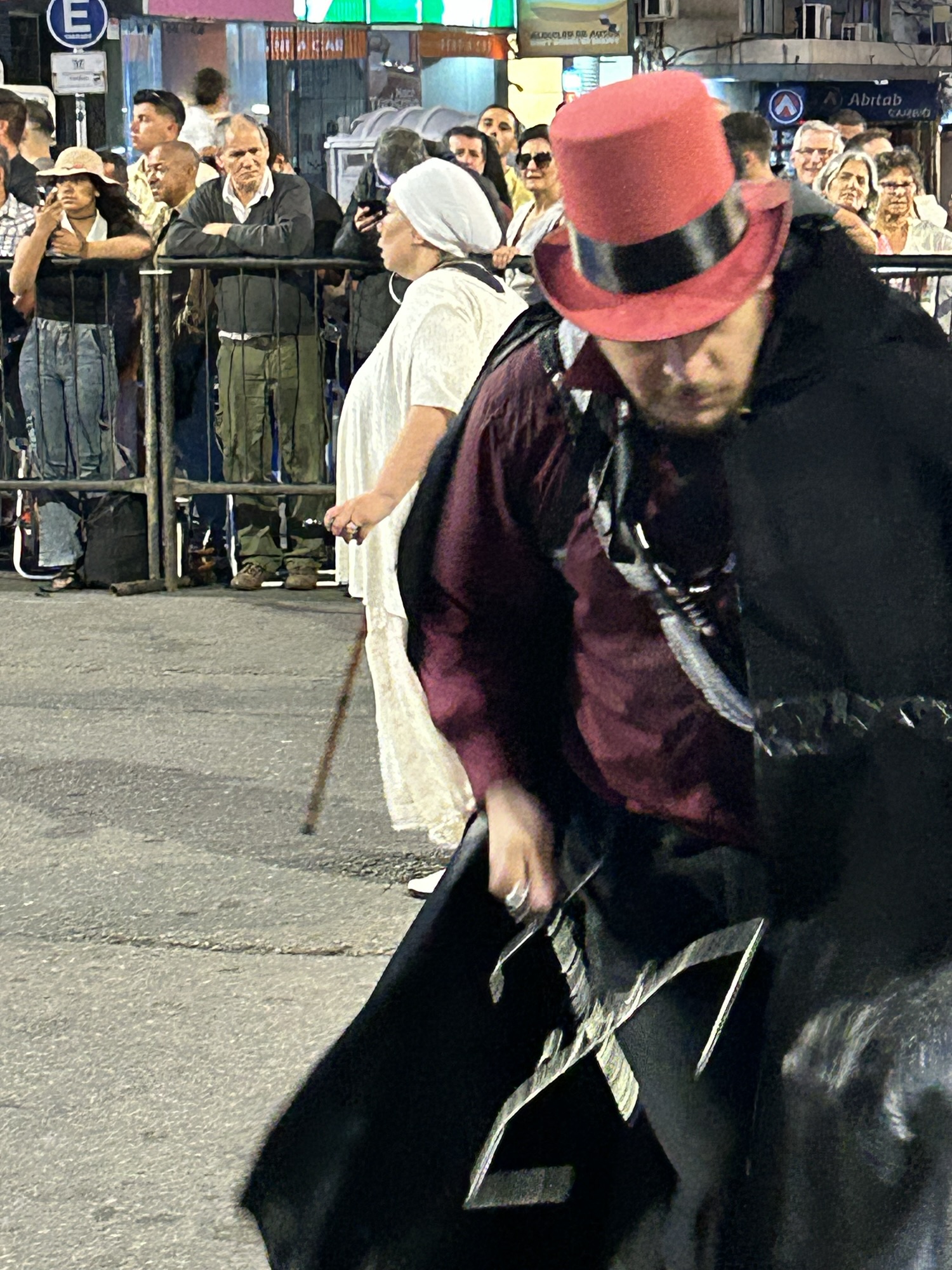
For the city-wide spectacle’s first two nighs the collective imagination would be reflected in the masks, costumes, songs, and dancing in two parades in the City center. Neither Kate nor I were prepared to be cast into the maelstrom of exuberance and creativity inspired by the traditions of Carnaval in Montevideo. Though ignorant of the meaning and roles of the parade participants it would be impossible not to feel, momentarily at least, that in the cavorting and foolishness we the spectators savor the sweetness of life’s drama. Even a cursory introduction to the candombe’s African originated music and dance and the murga Spanish derived traditions of satire and social commentary might ignite the desire to explore further the roots and interpretation of Uruguay’s Carnaval.
As in its unique Carnaval celebration, Uruguay shares with its neighboring countries the daily ritual of maté consumption. Unlike coffee you will not see maté on the menu and maté cafés are rare. The devotée of the drink carries to work or an event a thermos of hot water to be added throughout the day to the stimulant’s leaves. They brew in a cup made from a dried, hollowed out squash covered in leather. Critical to the drink is the “bombilla” straw filtering the herb leaves. People can be seen on the street passing a cup around while discussing a current news item. For North Americans it is curious to note that some carry their thermos and cup in a wooden box resembling the shoe shine boxes formerly seen in train and bus stations.
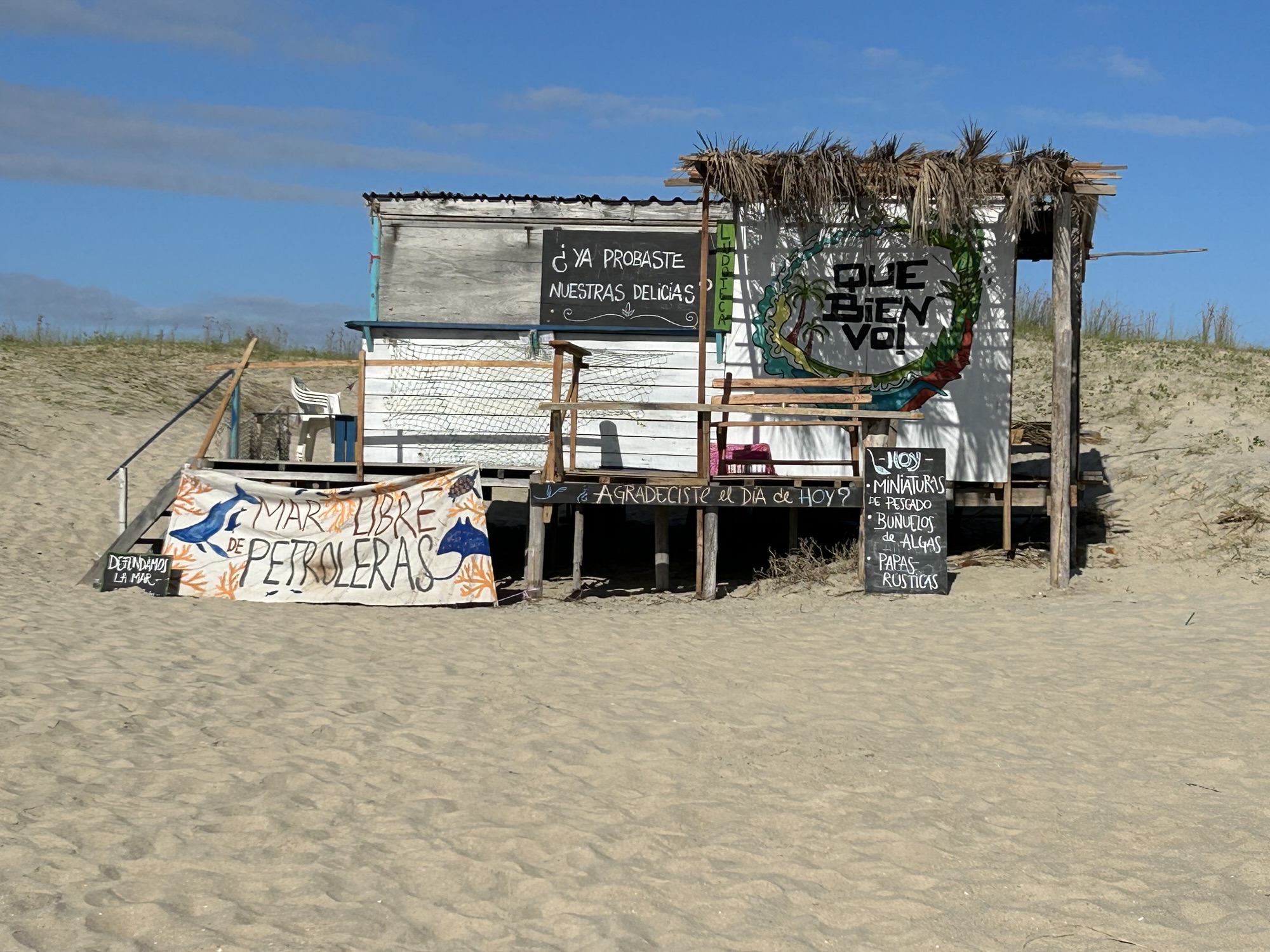
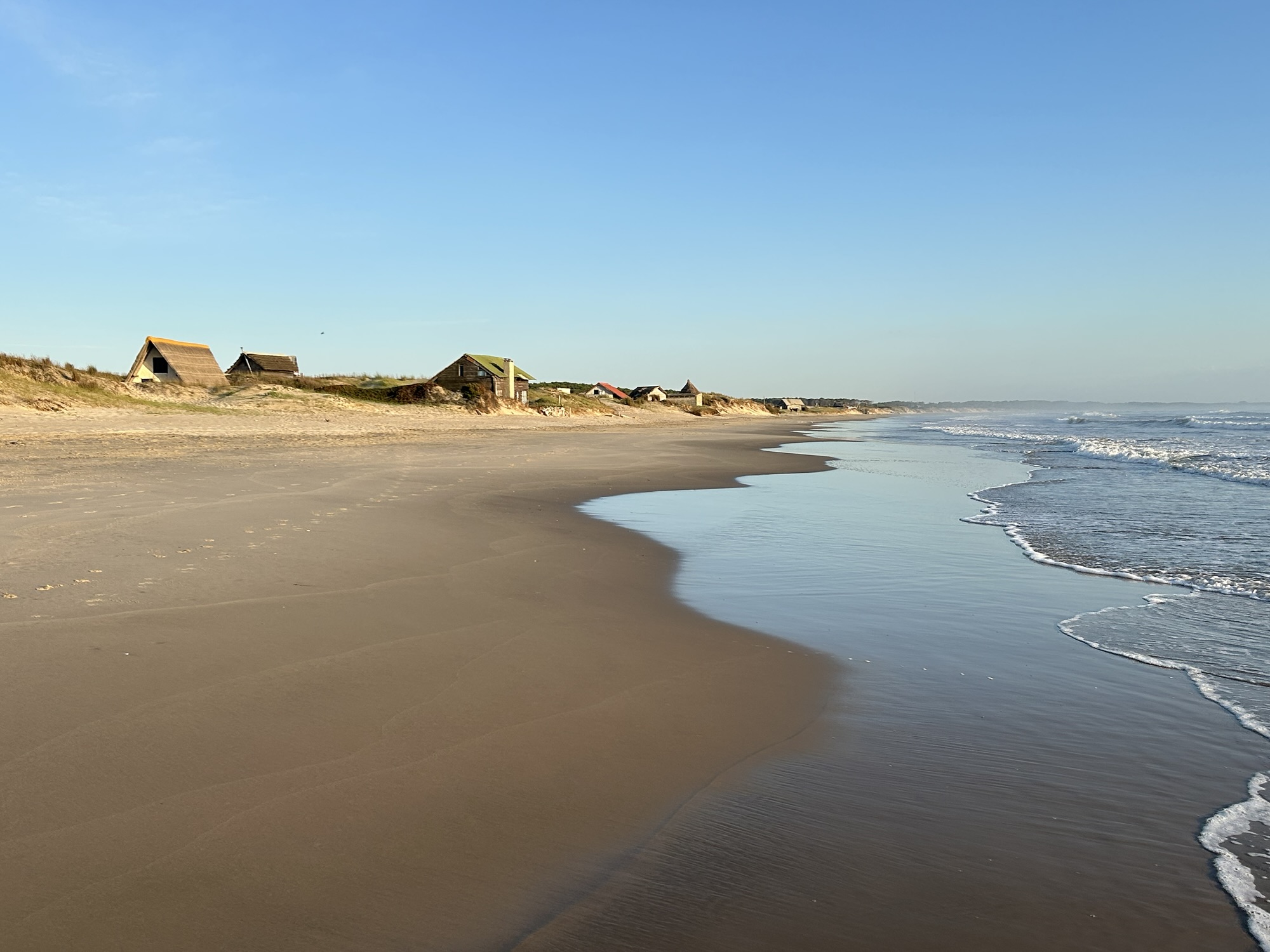
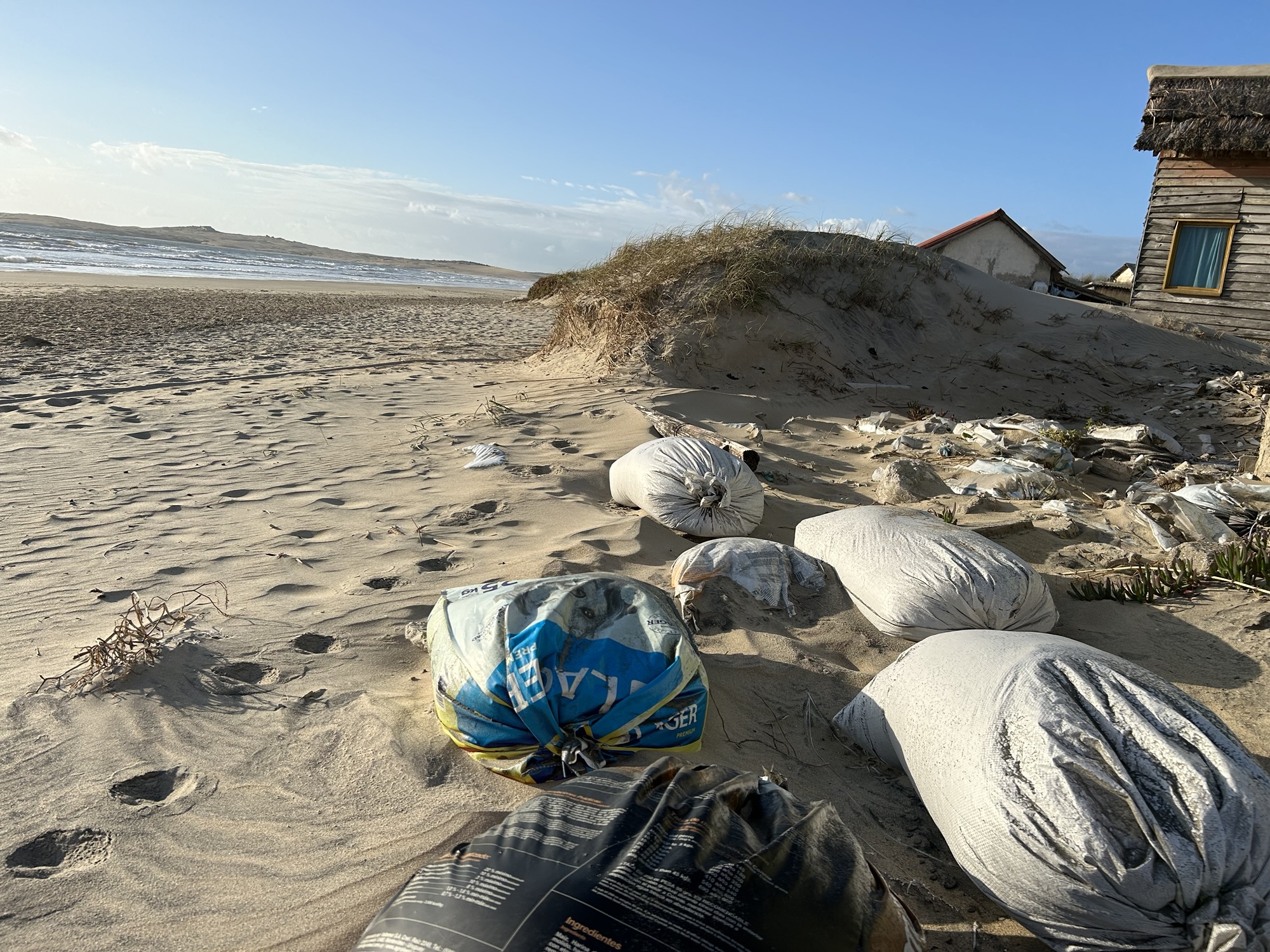
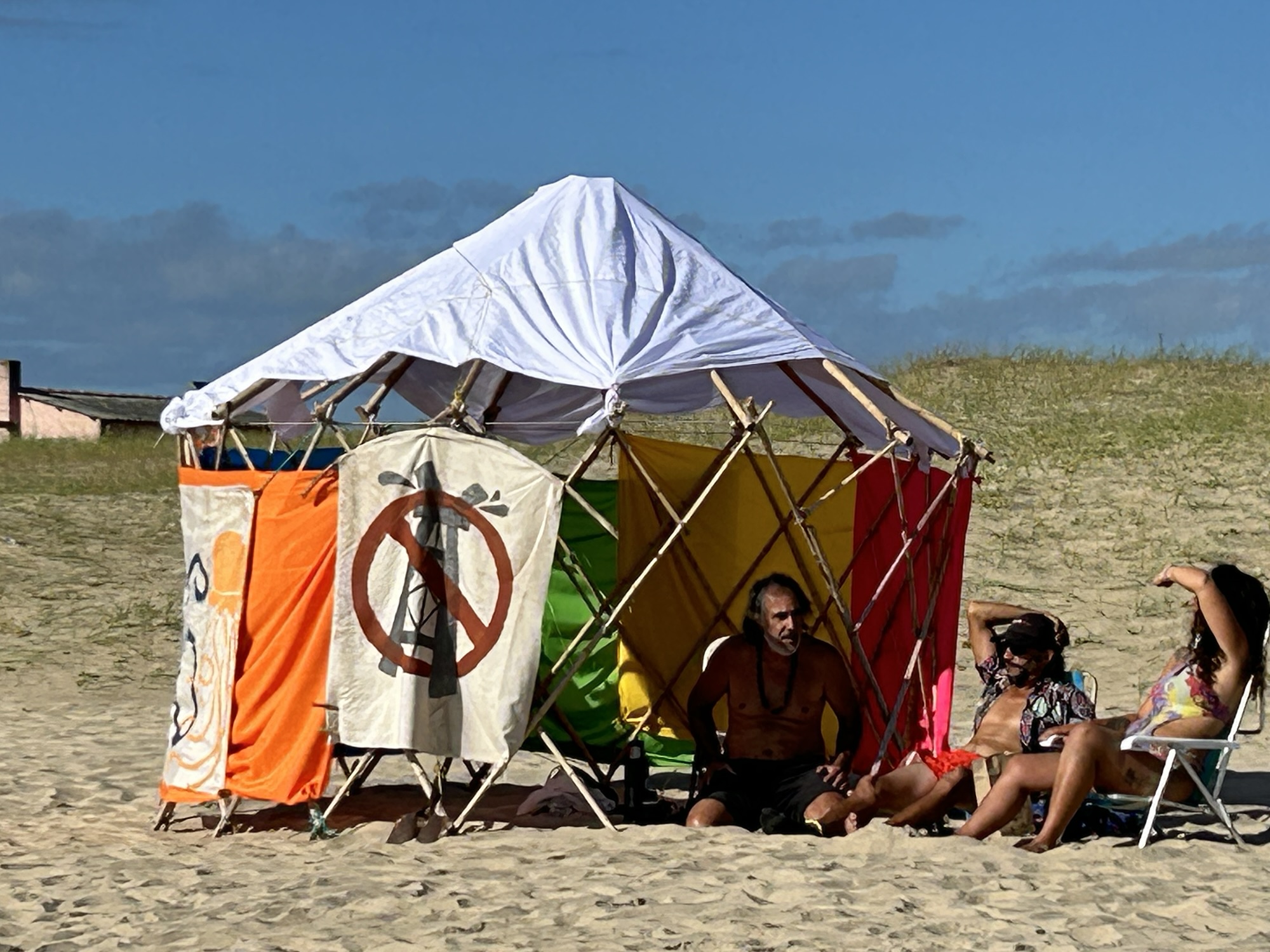
Our stay during the Uruguayan summer concluded as planned with six days on a beach less than four hours north from Montevideo. Soft golden sands massaged our feet, temperate water roared invitingly, solitary early morning walks, and the afternoon panorama of beautiful, bronzed bodies whispered to us from the deep. Sale of food and drink was advertised outside several shacks along the beach which invariably also had posted signs opposing any future oil exploration along the coast. This hostility to fossil fuels was a lone reminder of the country’s oppressive, deadly rule by the military 1973-1985 during which dissent was brutally repressed. The next blog of erasing-borders.com will be devoted to the transition from dictatorship to the flourishing democracy Uruguay enjoys today.

Posted on February 14, 2026, in Carnaval in Uruguay, Travel in Uruguay, Uruguay. Bookmark the permalink. 2 Comments.


 Erasing Borders
Thanks, Doug, for the report and photos! What a wonderful break from what has been happening in the USA! Dick
LikeLiked by 1 person
So true Dick. A vacation that was far from what we’ve been living with in our beloved country.
LikeLike